Some of you may have heard me mention that I am the founder, curator, chief cook and bottle-washer of a little thing I like to call MMMoMMA. New York City has MOMA, aka the Museum of Modern Art, and Central Texas has MMMoMMA, aka My Miniature Museum of Modern Motorcycle Art. 😎
The entryway to MMMoMMA featured works by (from top left) Norman Bean, Sara Ray, Jim Lightfoot, James Guçwa, Damian Fulton, John Guillemette and a piece titled Triumph of Love by an artist whose name escapes me in the moment (and my sincerest apologies to that artist for my brain fade). The collection is temporarily in storage as we seek larger quarters, or I’d just step out in the entryway and tell you their name. 🤷🏻♀️ At right, several photographs of your humble narrator, an original dealership postcard announcing the release of the 1953 model-year Harley-Davidsons, and a fine miniature of a slabside shovel by yet another artist whose name escapes me. I swear I’ll be better about this when we reopen the Museum, honest!A small sampling of the rotating exhibit at MMMoMMA, including David Uhl’s The Enthusiast, a long-time fave, and the piece at lower right by Ian at HotRodPencil on Etsy, personalized with the Shovel Shop name.
One of my favorite tasks at MMMoMMA is spotting those excellent artists who capture our lives and lifestyle (and motorcycles) in their chosen media, be it painting, photography, sculpture, film….
Veer Left by Lyndell Dean Wolff is the painting, more than any other, that I’m craving for my collection
….and an artist I spotted a while back is one Lyndell Dean Wolff, a California-based artist who has done some incredible work in that field.
Beautiful Buzzard from Berdoo by Lyndell Dean Wolff
What first caught my eye, naturally, was his series of paintings inspired by Bill Ray’s famous 1965 photographs* of the Hells Angels and other California MCs, like Beautiful Buzzard of Berdoo, seen above. Others in the series include Tickle It, Bakersfield Run and Berdoo Salute.
Tickle It by Lyndell Dean WolffBakersfield Run by Lyndell Dean Wolff (2024)Berdoo Saluteby Lyndell Dean Wolff (2024)
However, Lyndell isn’t confined to just reimagining Ray’s iconic photographs. He has another series of works — a near-to-photorealist collection titled Wabi-Sabi — that feature historic motorcycles in OEM and custom trim.
Wabi-Sabi, No. 12 by Lyndell Dean WolffWabi-Sabi, No. 11by Lyndell Dean WolffWabi-Sabi, No. 3 by Lyndell Dean WolffWabi-Sabi, No. 4 by Lyndell Dean WolffWabi-Sabi, No. 5 by Lyndell Dean WolffWabi-Sabi, No. 6 by Lyndell Dean Wolff
One of my personal favorites is Lyndell’s portrait of this motorcycle queen, a shovel rider from Japan whose photos appear regularly across the interwebs. I don’t know her name, but I admire any woman who rides her own, and especially a rigid kickstart-only shovelhead like hers.
Wabi-Sabi, No. 13 by Lyndell Dean Wolff….….and the young woman who inspired it!
Outside the Wabi-Sabi and Bill Ray collections, Lyndell creates some brilliant images of vintage motorcycles like these:
Knee-High by July by Lyndell Dean WolffHarley-Davidson WL by Lyndell Dean WolffDavid ‘Huggy Beahr’ Hansen, 1948-2023 by Lyndell Dean WolffExcelsior Super-X by Lyndell Dean Wolff
Another Cuppa by Lyndell Dean Wolff features New Zealand Indian rider Burt Munro, whose story was memorialized in the film The World’s Fastest IndianDavid Mann Tribute by Lyndell Dean Wolff
However, if you visit Lyndell’s gallery, or his website, you will see that he is not limited, any more than David Mann was, to ‘just’ motorcycle-themed art. Lyndell is truly a fine artist in every sense of those words, accomplished and acknowledged, endowed with wide-ranging vision, and possessed of a keen eye for dramatic vignettes and an exquisite hand for detail.
Embodied Cognition by Lyndell Dean WolffCognitive Phenomenology, No. 13 by Lyndell Dean Wolff
For instance, his series titled ‘Cognitive Phenomenology‘ (seen above and below) is a brilliant exploration of human form and cityscape, reflection, light and shadow. The works bring to mind one of my personal faves, Edward Hopper, and yet frequently surpass Hopper in depth and emotion. Those who know my love for Hopper are probably shocked to see me write that, but it’s true.
What can I say? 🤷🏻♀️ I calls ’em as I sees ’em! 😏
Cognitive Phenomenology 5 by Lyndell Dean WolffCognitive Phenomenology 11 by Lyndell Dean Wolff
He has other works, as well. Here is one I love, that appears to be an homage to American artist-cartoonist Robt. Williams. Part of the draw for me may be that Lyndell here reimagines traditional representations of Our Lady of Guadalupe. Jackie and I were married at Our Lady of Guadalupe Church here in Austin, and the lay ministry we were involved in at the church featured Our Lady in much of its iconography.
Spiritual Gentrification, No. 1 by Lyndell Dean Wolff
I’ve been saving my milk money for a while now, hoping to acquire one of Lyndell’s paintings for MMMoMMA, but in the meanwhile we’ve struck up a friendship, and just today he did me the incredible honor of releasing his newest work, entitled “’87 Sturgis Run” (16×20 inch, acrylic on panel). Some of you may recognize that handsome devil standing beside his trusty shovelhead, with the stone faces of Mount Rushmore peering over his shoulder.
’87 Sturgis Run by Lyndell Dean Wolff (2024)
That handsome devil is none other than your humble narrator….
….although it’s damned hard to be humble when a talented artist like Lyndell Dean Wolff makes your mug the subject of a painting! 😎
This painting is based on one of my favorite photographs. Every time I see it, I am reminded of the young man I was, and the adventures I had on my beloved shovelhead. I might not be smiling in the photo, but you can bet your bottom dollar I was one happy biker!
Me and my shovelhead at Mount Rushmore.
Lyndell has been invited to exhibit at the David Mann Memorial Chopperfest Motorcycle, Art and Kulture Show taking place next weekend, February 11th, on the beach at the Ventura County Fairgrounds. He has been a featured artist at this prestigious event for several years running, and his latest paintings, including “Bakersfield Run”, “Berdoo Salute” and “’87 Sturgis Run”, will be on display.
20th Annual David Mann Memorial Chopperfest
Lyndell has also been invited (again!) to contribute a custom painted helmet to the Biltwell Helmet Show, which is a regular part of Chopperfest. His helmet and paintings will be available for sale on-site.
The lineup for the 2024 Biltwell Helmet Show at Chopperfest
I am very proud of my friend, Lyndell Dean Wolff, and sincerely hope you will check out his work, either online or in person at Chopperfest. Better yet, take a piece home. I know I’m dying to! 👍🏼
FOLLOW-UP:
I actually made it to last year’s Chopperfest – the 20th Annual – and tell the tale here. Now it’s time for the 21st. My friend Lyndell Dean Wolff will be there again. This year. he was asked to paint a poster (below) for the event. If you look hard, you might see a familiar figure limping along in the crowd! Thanks, Lyndell!
Read about my trip to the 20th Annual David Mann Memorial Chopperfest, and my meeting with Lyndell Dean Wolff and Sharon, at I took a little drive one night…
JUSTFYI:
*Bill Ray, mentioned above, was on assignment from LIFE Magazine in 1965, in response to the spate of news reports about the Angels and other ‘outlaw’ clubs. His photographs were ultimately rejected for publication at the time. The editors wanted visual reinforcement of the stereotypical larger-than-life ‘biker thug’ that pearl-clutching news reports were describing. Bill Ray disappointed them when he handed in images of everyday women and men on motorcycles, enjoying their lives. His iconic photographs showed the bikers in too good a light. 😎
What would you do if life – an accident or illness or hereditary condition – stopped you from doing the thing you most enjoy?
Paul aboard his custom shovelhead trike, as it appeared in Easyriders in January, 1985.
I initially got interested in adapting motorcycles for use by riders with physical disabilities in the early ’80s, when I helped design and construct a shovelhead-powered trike for a military veteran who’d been paralyzed in a motorcycle wreck. Paul (seen in photo above) was classified as quadriplegic, which, FYI, does notnecessarily mean a person is paralyzed from the neck down, as I’d always assumed. Rather, it simply means the normal functions of all four limbs are affected by the injury or condition. In Paul’s case, that meant he had no use of his legs, and while his right arm was almost fully functional, his left had only limited strength and range of motion. He could make a partial fist – enough to operate a hand clutch and help steer a motorcycle – but couldn’t operate a jockey shift or brake lever.
Now, bear in mind that in the 1980s none of the well-known motorcycle manufacturers were producing three-wheeled motorcycles. Harley-Davidson still offered sidecars, but the Motor Company’s venerable Servi-Car (popular with police and fire departments, delivery services and automotive repair shops) ended its forty-one-year run in 1973, and no one was rushing to fill that slot.
As an aside: circa 1982, Honda reportedly produced a prototype three-wheeler based on their CX500 – an estimated 250 units overall – for U.S. Police Departments. I have a distinct (and very pleasant memory) of seeing a female Austin Police Department officer in full moto-cop regalia, including knee boots and leather jacket, blasting through downtown traffic on one such prototype with her long blonde hair streaming behind her. 😍 Unfortunately, the bikes didn’t make the cut and never went into full production, and I never saw my jackbooted goddess again. 🥺😢😭
Anyhoo, as I was saying….
No one was cranking out three-wheeled motorcycles back then, and aside from some knucklehead-powered prototypes constructed at the onset of World War II, the Motor Company had never produced a Big Twin trike. That meant virtually everything we needed to make Paul’s bike function as required had to be designed and created in-house.
The chassis consisted of an OEM early shovelhead swingarm frame grafted to a rigid Servi-Car rear section. It had originally been built for a local biker who was shot in the leg by an off-duty APD officer during a traffic confrontation on Guadalupe Street, near the entrance to the Austin State Hospital. The cop claimed he was in fear for his life, naturally, and walked away without consequence. Meanwhile, the unarmed and now disabled biker was left to fend for himself, and put together the three-wheeler.
After a while, Rod assumed he was healed up enough to get back on two wheels, so my boss at the motorcycle shop got the trike frame. Unfortunately, Rod wasn’t as healed as he thought he was, because shortly after getting back on his panhead he tipped his bike over while trying to park it in a grassy area pocked with hillocks and treacherous low spots. When he tried to catch himself his right (injured) leg gave way, putting him right back on the disabled list.
However, by then we were already well into the construction of Paul’s trike.
The Easyriders spread from January, 1985, seen below, shows the details of Paul’s unique trike: crossover shifter mechanism, linked front and rear brakes, custom floorboards, et cetera. What the magazine doesn’t show is that, while we got the trike running and dialed in, and fine-tuned the hand-controls and other adaptations, Paul was bartering with the shop’s owner, trading custom paint and bodywork to cover the costs of the build. Paul was a gifted body man, and I was veryproud to run the tins he’d shaped and painted for me during that time.
The Bitch in Blue
1980: My 1974 shovelhead, recently transplanted into this OEM 1954 wishbone frame, sports tanks and fenders shaped (where needed) and painted by Paul. This was the first frame-off rebuild I’d ever done, and I remain very proud of the finished project! A lot of people who looked askance at my choice of colors when the painted tins were hanging on the wall in my shop area admitted I’d chosen well, and created a striking custom build.
Once we got the trike dialed in, while it was still all bare metal and grey primer, we turned it over to Paul, who soon returned to his home in Massachusetts. There, he took the bike apart and detailed the thing, putting his expertise and artistry as a body man to work, and doing much of the physical labor himself. Paul built an extended platform behind the pogo-stick saddle to hold his wheelchair, and the custom-built ultralight wheelchair itself. He also cleaned up the rough metal we’d used to fashion some of his controls, added a lot of gold and chrome plating, and painted the machine a rich ebony black with striped accents on the frame. Aside from the unique aspects of its construction, the machine was a beautiful custom motorcycle, deserving of its place in the pages of the world’s most widely-read biker magazine.
By the time we completed Paul’s trike, I had become fascinated with the process of modifying motorcycles for use by handicapped riders, and enamored of the spirit and ingenuity that went into each adaptation. I began clipping articles from newspapers and magazines – anything referencing handicapped riders or drivers – and adverts and announcements about new parts that looked as if they might prove useful in adaptations. I photographed adapted bikes wherever I found them, and spoke to the riders if possible.
Over time, I accumulated a hefty file of information in those pre-internet days, and acted as a clearinghouse for that info. Primarily through Letters to the Editors columns of motorcycle magazines I made that information available free of charge to any and all takers.
Early 1988: Jane Strand on the shovelhead trike she and her husband, Rick Strand, designed and constructed. Jane was paralyzed when a teenaged red-light-runner struck the couple as they rode Rick’s flathead through downtown Austin. I featured their bike in the article I wrote for Road Rider. Rick and Jane went on to found a custom motorcycle shop in South Dakota, specializing in adaptations for handicapped riders. However, just now, when I went looking for the shop’s contact info, I learned that Rick passed away several years ago. Sorry to say, I don’t know what happened to Jane.
I’d written for newspapers and magazines for several years, so it was a natural progression to take what I’d learned and create a feature-length magazine article. I shopped the idea around, and Road Rider (later reconfigured as Motorcycle Consumer News) gave me the commission. I did the research, conducted my interviews, took the photographs, and my piece appeared in Road Rider‘s November 1988 issue. I didn’t even know it had come out until someone at a motorcycle rights organization meeting asked for my autograph! 🙄
Tina and I at Frank’s Lakeview Inn, Lake Belton, Texas, October 1988.
October, 1988: My friend Tina and I, as I sign my first (and last, so far) autograph on my just-released article about adapting motorcycles for use by handicapped riders. We were at Frank’s Lakeview Inn on Lake Belton, Texas, to attend a Texas Motorcycle Roadriders Association meeting.
Times have changed drastically since that article appeared. By the late ‘90s aftermarket manufacturers had begun releasing bolt-on trike kits, and now offer assemblies for almost every motorcycle marque on the road. In 2009, Harley-Davidson began marketing its own line of Big Twin trikes with a wide range of options. Aftermarket trike frames are also available, as are helpful add-ons like electronic shifter mechanisms, and reverse drive units for those who can’t back their bikes out of parking spaces. Meanwhile, the Can-Am Spyder and Polaris Slingshot offer something other than the traditional trike configuration, if you’re into that sort of thing.
Just in time, too, as the perennially playful Baby Boom ages into the need for three-wheelers! 😆
Okay, so, on to the articles:
This is my piece, written for Road Rider Magazine:
As an aside: the late Roger Hull, who co-founded and edited Road Rider, and has been inducted the Hall of Fame at the American Motorcyclist Association, was a personal hero of mine for his principled, unwavering stance on riders’ rights and freedom of the road. Even though he’d retired from the magazine by the time I sold them my piece, it gave me great pleasure to publish an article in those hallowed pages!
Here is the Easyriders article (January, 1985) about Paul and his trike:
And another piece, from Easyriders’ March 1979 issue:
So, what’s this got to do with me? More at the link below. ‘Til then, sláinte! 😎
RUBs, posers, or the more elegant ‘poseurs’…. All just different words for the odd duck known as the Leather-Clad Harley-Davidson Wannabe (LCHDW). Their natural habitat is the ‘Chrome Adviser’ counter at their local Harley-Davidson stealership, or the hipster coffee house located five blocks from their palatial McMansion. However, some more adventurous LCHDWs may migrate on occasion to large ‘look-at-me’ rallies at Daytona, Sturgis, Laconia and Austin, where they trailer their low-mileage late-model Harley-Davidsons and ersatz Indians behind massive motor homes, and then pretend they’ve ridden the entire way.
I found these lines (quoted below) written on Quora, which is a great time-suck, BTW, if you enjoy arguing with total strangers:
“Real bikers wanted Harleys. And that included all those suburban accountants, lawyers, etc. who felt the call of the biker….
….there’s a ‘soul’ to a Harley that a Japanese bike will never have. And a Harley rider knows it.
Besides, when was the last time you saw a biker with ‘Honda’ tattooed on his arm?”1
To which I say:
There are motorcycle owners and then there are bikers.
Your average suburbanite, who waited until he was an empty-nester with massive disposable income to finally get a motorcycle, is not a ‘biker’. He may dress like one (see photo above) but he will never actually be one. Why? Because he waited until he was an empty-nester with massive disposable income to finally buy his motorcycle.
A biker won’t wait. A biker will do whatever it takes to get that motorcycle. Work two jobs?You bet!Give up partying to save money for the bike? No prob! Scour the want ads and eyeball every bike in every parking lot, hoping to score a deal? But of course! Sell blood or body parts? De nada!
And then, once he (or she)2 has the bike he’s been dreaming of, the biker will dedicate the majority of his life to keeping and maintaining that machine, ofttimes to the exclusion of all else. It’s not a mid-life crisis, a recreational toy, a status symbol, or even a vehicle, but so much more. For the biker, the bike becomes his raison d’etre.
For instance, the biker will pay more in rent just to have a safe place to stash his bike and tools…. and he will have tools, because the biker will be loath to trust his motorcycle to anyone else’s ministrations. Factory-certified or shade-tree experienced, the majority of mechanics will not give the biker’s baby the tender loving care she deserves.
And like any parent of a baby, the biker will do without a lot of luxuries in order to provide for his bike. Who needs a fancy suit or a big screen TV when you have a scooter waiting for you? Who needs to dine out in high-dollar restaurants when a fast-food taco and a hot cup of coffee from the 7-11 will suffice? And this is even truer when times get hard. The biker will sell his cage and go hungry, even homeless, and never even consider selling his motorcycle. The thought never even enters his mind.
But wait! There’s more!
The biker will, if needs must, work jobs that lack benefits or opportunities for advancement, so long as they provide plenty of time off to ride…. and if the necessary time off is not forthcoming he’ll just quit. There will always be more work for a man (or woman) with the skills most bikers possess. There won’t always be another rally, or party, or sunny day with that particular band of brothers and sisters ready to ride.
The biker will naturally spend the majority of his spare time hanging with other riders, bench racing, helping his friends maintain their bikes, going on runs and to rallies and on long meandering rides just for the sheer joy of being surrounded by his tribe….
….because that’s where the happiness lives. 😎
And although the majority of the bikers I’ve known in the fifty-odd years I’ve been on the scene are in fact Harley riders, you’ll note that I never specified a brand-name. I have met some Harley owners I wouldn’t consider ‘motorcyclists’, let alone bikers. By the same token, I’ve met some metric riders of all stripes — Hondas, BMWs, Triumphs, Moto Guzzis, et cetera — that I wouldn’t hesitate to call ‘biker’ or partner up with on my next cross-country ride.
Biker does not come on a t-shirt or brand-name jacket. It’s not in a tattoo’s ink or even between a rider’s legs. Biker is in the heart.
That said, here I am in 1981, at my parents’ home on Bainbridge Island with brothers, Bob and Lee, wearing my very own Harley t-shirt, received from the late Dan James at Austin Motorcycle Company….
….and here I am sporting my very own Harley-Davidson tattoo, done by Bandido Fat Roger.
A few weeks back, I wrote a lengthy piece about David Mann, the artist and illustrator who spent four decades chronicling the biker life for Chopperspublisher Ed ‘Big Daddy’ Roth and, later, for Easyriders, the most enduring rag ever published by and for bikers, until new owners ran it into the weeds…. 🤬
….but Rest in Peace, Dave Mann, and R.I.P. the originalEasyriders and its late editor Lou Kimzey, who is the closest thing my writing career ever got to a mentor. What commercial success I’ve had (and granted, I never tried to make writing my primary occupation) is due to Lou Kimzey’s kind words.
Anyhoo, at Dave Mann’s Facebook page (https://www.facebook.com/davidmannstore) a post recently appeared featuring a particularly dark and gritty image, even for Dave Mann, who did dark and gritty better than anyone. It was used as an illustration for an essay about violence between motorcycle clubs. Half the essay’s text appeared on the page over Dave’s artwork…. but the other half? 🤷♀️ Even though it says ‘Continued from page 41,’ the jump was actually to page 41. Mr. Kimzey and the boys ran a loose ship back in the day, and errors were to be expected. 😏
But me and my fellow Mann fans didn’t care about to or from; we just wanted to see the rest of the damned article!
I hate being left hanging like that, so I went and found a copy of that issue (April 1977) and got what radio personality Paul Harvey used to call ‘….the rest of the story.’ It was just another half-page, but it was the conclusion of a powerful essay, especially in those grim days when ‘gang warfare’ was decimating motorcycle club rosters and drawing heat on everyone who rode, patched or not, Me, I spent more than one afternoon looking down the barrel of a lawman’s gun because our home team was going tit-for-tat with other clubs over Goddess knows what. 🙄
F’rinstance:
The man who died apparently crawled into a van parked near our campsite and bled out as LEOs searched for perpetrators and victims. Of course, those guys all had the good sense to split, if they were physically able, long before the po-po made their appearance. We, on the other hand, were not so smart. We were held at the racetrack for hours under the blazing sun until the cops were satisfied they’d found everything they were going to find. Then they began pointing rifles and shotguns at us, screaming at us to get our bikes moving and get out the gates NOW! or have them impounded and spend the night in jail. The scramble to get several hundred pissed-off bikers out the narrow gates of that racetrack – many of them stoned and/or drunk as Cooter Brown after hours of waiting – might have been farcical if not for the dead body, the wounded, and the ranks of angry LEOs, many on horseback and all a-bristle with long guns. As if that weren’t enough, when my crew reached the gates, most announced they were going to ride into Houston and continue partying! 😳 I’d had enough of East Texas, so me and another fellow – a stranger – partnered up for the long ride back to Austin. Good thing for him, too, since his headlight went out before we reached the Montgomery County line. I rode beside him the rest of the way back to Austin, the little seven-inch sealed beam on my shovelhead the only light to advise oncoming motorists of our presence! And of course, there was retaliation, as seen in this undated clipping circa 1989, following several bombings of rival club members’ homes. and vehicles.
Sadly, although the Nordic and Canadian Wars have died down, and wholesale slaughter a la Laughlin and Twin Peaks is no longer the rule of the day, there are still too many dust-ups like Porter, too many barroom brawls and killings, and retaliatory strikes, and revenge for those retaliatory strikes, and paybacks and drive-bys and so on and so on…. ad nauseam.
Maybe someday this bullshit really will be past.
Finally, here is the artwork as it first appeared on Dave Mann’s easel. George Christie, former President of the Hells Angels Motorcycle Club’s Ventura, California, charter, and now an accomplished author and podcaster, owns the original painting, and offers prints for sale through his website at http://www.georgechristie.com/. I wouldn’t mind owning one, just for its value as documentation of our history as bikers, but I wouldn’t want it hanging on my wall with my numerous prints of more serene works by David Uhl, James Guçwa, Norman Bean, Amanda Zito, et alia…. and that’s assuming Jackie didn’t brain me for even thinking about displaying that violent imagery in our home! 😁
Since I’ve written about my collection, and art in general, I think my next entry might be a tour of MMMoMMA, also known as ‘My Miniature Museum of Modern Motorcycle Art.’ Maybe I’ll start with my visit to the actual MOMA in New York, and its exhibit of automotive and motorcycle art, and follow the trail through motorcycle museums at Anamosa, Iowa, and Maggie Valley, North Carolina, all the way back to Austin, home of the aforementioned and as-yet-not-world-renowned MMMoMMA. Watch this space! 😎
A sneak peek at part of My Miniature Museum of Modern Motorcycle Art, located on the banks of scenic Little Walnut Creek in beautiful downtown Northeast Austin…. Texas, that is. 🤠
😎
P.S.: I thought y’all might be interested in two other facts about the incident at Porter, cited above.
First, while violence did erupt between two rival motorcycle clubs, it had been a gentlemanly fistfight – a good old-fashioned punch-up, as the Brits call it – until the security guard hired by the event promoter allegedly waded into the crowd of brawling bikers, pulled his sidearm and fired a couple of rounds in the air. It always worked in the movies, right? However, in Porter, on hearing gunfire, the brawlers simply assumed the fight had escalated. Weapons were produced, shots fired, and, well…. you know the rest.
Second, about those 1988 arrests referenced in the sentencing article: Those arrests took place on April 30, 1988; five years to the day from the incident at Porter, but also the very day the Motorcyclists’ Rights Organization I was a state officer with had scheduled a statewide Motorcycle Safety and Awareness Rally. We had ambitiously slated massive gatherings in Amarillo and Galveston, and at the State Capital in Austin, to press for better awareness of motorcyclists in traffic and improved rider education. We hoped, of course, to make a good impression on the press – rarely kind to us during our legislative efforts – and perhaps convince the motoring public at large that we were just fun-loving motorcyclists, and not an existential threat to their safety.
How far do you suppose that pipedream got when we had to share our coverage on the evening news with reports of mass arrests, bombings, shootouts and the like? To this day, I wonder if the cops didn’t time those arrests for that day, just so they could upstage our event! 😒
‘Art is eternal, for it reveals the inner landscape, which is the soul of man’ – – Martha Graham, Dancer and Choreographer – –
The very first article I ever published appeared in Easyriders, the groundbreaking magazine which was at once the LIFE, Saturday Evening Post and Reader’s Digest of the outlaw biker set. I wrote about tattoo removal – a topic I thought some readers might find interesting – after an encounter with a dermatologist at a Veteran’s Administration hospital in Hastings, Nebraska, who told me about a then-new technique for obliterating unwanted tattoos via laser. I won’t bore you with the details – the information is all woefully outdated anyway – but I ended my piece with the words
‘These days, even art is not eternal.’
However, barring catastrophic circumstances like the 9/11 attacks on the World Trade Center, where – in addition to thousands of lives, including my cousin Eddie – an estimated $110 million worth of art was destroyed, or the Taliban’s deliberate destruction of The Buddhas of Bamiyan, art really is eternal….
….and even those pieces lost or destroyed live on in memory.
….and all this to say ‘Hey! I got some cool stuff to show ya!’
An advert for prints of Dave Mann’s earliest posters. Chopperspublisher Ed ‘Big Daddy’ Roth was a wily self-promoter with a sharp eye for moneymaking opportunities. He had no problem exploiting the talents of young artists like Mann, and continued to make bank off Mann’s work long after Mann left his stable.
IN THE BEGINNING….
I don’t know who first attempted to paint or draw images of the biker life, but Dave Mann was certainly a pioneer. After selling some early paintings of biker life to Choppers magazine founder Ed ‘Big Daddy’ Roth (creator of the iconic ‘Rat Fink’ and a number of radically customized cars and motorcycles), Mann joined the El Forastero Motorcycle Club (forastero is ‘stranger’ or ‘foreigner’ in Spanish) as a charter member of the club’s Kansas City MO chapter.
Hollywood Run was the painting Dave Mann’s friend and club brother Tiny showed to Choppers publisher Ed ‘Big Daddy’ Roth. Roth recognized Mann’s potential, quickly bought up as many of the artist’s paintings as he could, and turned them into a profitable line of posters.Another of Dave Mann’s early paintings for Ed ‘Big Daddy’ Roth features a wild desert party populated by outlaw bikers from numerous extant motorcycle clubs of the day.Dave Mann in 1970, aboard the panhead chopper he purchased from Hells Angels member Buzzard. BTW, Buzzard appears in Bill Ray’s book of photographs – Hells Angels of Berdoo ’65: Inside the Mother Charter (NYC, 2010, Bill Ray/Blurb) – and is mentioned in Hunter S. Thompson’s seminal work of ‘gonzo journalism’: Hell’s Angels: The Strange and Terrible Saga of the Outlaw Motorcycle Gangs(NYC, 1967, Random House)
In 1971 Mann answered an advert for a ‘motorcycle artist’, discovered in the back pages of a new biker magazine called Easyriders, and spent the remainder of his working life as in-house artist for the publication. His first centerfold painting for Easyriders appeared in October, 1971, and Mann reportedly produced artwork – centerfold paintings, story illustrations and adverts – for every issue from that first to his retirement in 2003, shortly before he passed away. His final piece, Sunset, appeared in the May 2004 issue.
One last toke for the road. Titled ‘Frisco Nights‘ or ‘One More for the Road‘, this was Dave Mann’s first-ever centerfold for Easyriders. It appeared in the magazine’s third issue, in October, 1971. Mann reportedly created art for every issue between this and his final piece (below) published in May, 2004, along with additional illustrations for other magazines, book publishers, friends and collectors. That’s a hard-working artist!.
Aptly, Sunset, May 2004 was Mann’s last original piece for Easyriders.
REPRESENT!
His earliest works were primitive – a cross between illustration and caricature – but as he gained experience Mann’s work took on a style reminiscent of the American painter Edward Hopper, who is best known for his iconic Nighthawks(1942). Look at the figures in Hopper’s work, and compare them to Mann’s. I certainly see the influence.
Edward Hopper The Nighthawks(1942)On a road trip that took me to the National Motorcycle Museum at Anamosa, Iowa, on the day they closed forever, and the Harley-Davidson Museum in Milwaukee, I also got to visit the Art Institute of Chicago, where the original Nighthawks lives. My wife managed to catch me and the painting alone in the one split-second when it wasn’t surrounded by admirers!David Mann Midnight Run(June, 1972)Edward Hopper Summer Evening (1947)David Mann Pick-Up (Want Some Candy?)January 1974 Edward Hopper Gas (1940)David Mann Gas Stop (1967)
More than technique or style, however, Hopper and Mann shared the desire to illustrate and elevate the prosaic, the quotidian, the mundane everyday doings of regular people historically overlooked by representational artists. For Hopper it might be patrons seated in a late-night diner – an apparent oasis of light and warmth in an otherwise dreary cityscape – sharing space and yet isolated from one another, silent, bored. For Mann it could be the streetwalker ignoring her john to watch the more attractive, more enticing biker cruise by on his radical panhead chopper. Hopper might present a sweet moment between a young couple on a dark summer evening – you can almost hear the crickets singing – while Mann’s swain straddles a raked and stretched shovelhead as he chats up the object of his affections on a crisp autumn afternoon….
You get the point.
The Dilemma (September 1976) is one of my favorite Mann paintings of all time; I even have a small print of it framed above my office door. Dave’s attention to the minute details of this road-weary ‘rat’ panhead and rider is mind-boggling. Note the cracked and taped-together taillight lens, chipped paint on the fuel tank, mismatched tool bags strapped to the front forks and oil drips on the pavement below. Look at the rider’s military tattoos, too; his ragged cut-off vest, heavy engineer boots and greasy Levi’s, doubled up for added protection. Then there’s the quiet humor of the scene – a hot hippie hitchhiker headed to that Haven of Hedonism, San Francisco, and the biker with no place to put her! Sadly, this actually happened to my partner and I on our way to Sturgis. Our bikes were laden with camping gear, and we had no room to pick up two hitchhiking honeys we encountered just south of Oklahoma City! 😒 My rigid 1974 shovelhead and T.R.’s rigid jockey-shift ‘73 shovelhead chopper on the first Friday of August, 1982, packed and ready for the run to Sturgis.The Dilemma and the design for my Shovel Shop t-shirts. In the hall, vintage adverts for the Famous James motorcycles. See my post below about the marque, its history and my history with it.
And by ‘centerfold’ I merely refer to the fact that Mann’s work appeared in the center pages of each issue, where it could be removed (as so many of us did) and turned into a poster. Although many of his paintings included idealized images of women, his purpose was to document our lives as bikers, not provide masturbation motivation for horny teenagers!
STRAIGHT ON FOR YOU!
One perspective Mann relied on was full frontal….
….from his earliest efforts. This is Pacific Coast Highway Run, 1964Easyriders Video #43 cover artEasyriders Video #40 cover artEasyriders Video #29 cover artEasyriders Bikes & Babes Video cover artWinter Ride, date unknownA Cold Winter Ride, story illustration from Easyriders January 1990Excelsior-Henderson, October 1998First Ride of the Year, January 1993Helmet Protest, January 1996, highlighted a political position dear to most bikers’ hearts: the freedom to choose whether or not to wear a helmet when we ride. Even many of us who wear helmets by choice still believe the decision should be ours alone, and not left some government bureaucrat who has never ridden a motorcycle in his life. Mann revisited this theme over and over again through the years. This piece also shows his ability to capture complex objects like motorcycles at different angles in the same painting.Inside Pass appeared in BIKER, July 2000. Dave was as skilled in painting automobiles as he was motorcycles, and capturing the action of two moving vehicles pitted in a wheel-to-wheel race.Run to the Wall , date unknown. Many bikers are military veterans, and believe no service member should be left behind, so the cause of POWs and MIAs affects us deeply.In Memory of Lt. Col. ‘Smilin’ Jack Potter, U.S.A.F. is a loving tribute to Jacquie’s father.Even in self-portraiture: Dave Mann with Jacquie
Here is another of my favorites, a classic piece by Dave Mann:
Another favorite Mann painting. I’m unsure of the title – it may be First Ride of Spring – but I love the way it captures one of the happier moments in a biker’s life: hauling ass up a scenic road with his woman tucked in behind. I used this as inspiration for my own piece, seen below: a t-shirt design I created for the Motorcycle Rights Organization ABATE of Texas back in 1989.
My design as it appeared on t-shirts. This artwork predates the introduction of computers into my artistic toolkit, so please be kind. The central image was all done by hand, and the lettering created letter by letter, line by line with Letraset ® rub-on letters. Much to my surprise Letraset fonts are still available! 😱
I was able to reuse that image on some recent creations: my Watch for Bikerscoffee mugs and…. ….and the matching Watch for Bikerst-shirts, both reasonably priced at my Shovel Shopstore at Etsy..
Mann returned to that theme many times in his career.
Coming at You, April 1975It even inspired this homage by artist Shawn Dickinson, titled Wild and Wolfy….….and another titled Werewolves on Wheels, Shawn’s tribute to Dave Mann’s In the Wind on a Friday Night….….and the original: In the Wind on a Friday Night, August 1972
Another favorite was the reverse: the motorcycle moving in a straight line away from the viewer. He used both angles to great effect.
Mann’s follow-up to Coming at You appeared in a Jammers Handbook. Mann’s attention to detail extended even to the smallest things, like the oil spatter up this passenger’s left shoulder, excess lubricant slung off the rear drive chain at speed. You could always spot a biker chick by those chain tracks, and you could tell if she was packin’ on a Big Twin or Sporty by which shoulder was marked. I pissed off more than one woman passenger when their nicest tops ended up ruined that way! 🤷♀️
Carnival, September 1987. Note the graffiti at right.Snow What appeared in BIKER, February 2003FREEDOM was a fundraising poster for some friends in Cleveland.Storm Jammin’ appeared in EasyridersMarch 1989 and again in BIKER in October 2005. This one gets me because I took a soggy ride like this, from Austin to East Texas, to lay to rest a friend who died too soon…. as if there were any other kind. 😒
THE DAYS OF OUR LIVES
Mann’s technical abilities as an artist are undeniable but, as clearly demonstrated here, for those of us who ride it was Mann’s ability to illustrate the everyday aspects of our lives as bikers which so endeared him to us. He captured the emotional element – the ‘inner landscape’ Ms. Graham referenced in her quote – in painting after painting.. It might be two bikers blasting down an L.A. freeway, beards and club colors flapping in the wind, as one passes a joint to the other.
Hollyweed, November 1976. Note the altered ‘Hollywood’ sign high above the highway.
It might be a biker on his low, lean, radically stretched chopper, glaring balefully at the cop writing out a traffic ticket.
Busted, December 1974. Damn cops ruin everything, don’t they?
It might be a woman frustrated and angry because her old man, the insensitive prick, just passed a beer joint when she desperately needed a potty break….
Hey, What About….! December 1982.
….or another one of my favorites. showing a woman curled up against her man’s back, safe and secure and sleepy after a weekend of riding and camping out under the stars, while he steers his radical chopper back to the brightly-lit city in the distance.
Homeward Bound, January 1975
One of Dave Mann’s most iconic images has been stolen and reproduced on everything from t-shirts and coffee mugs to wall tapestries, area rugs and more. In ‘Ghost Rider’ Mann equates the hard-riding biker at the foreground to the hard-riding ghostly cowboy keeping pace with him. Some of the later reproductions went the politically correct route of erasing the SS lightning bolts Mann’s biker has on his fuel tank….
….and that’s a topic for a whole ‘nother post! 😎
Ghost Rider, November 1983. Unofficial (read: stolen, ripped off, plagiarized) iterations of the image, on tapestries, t-shirts, et cetera, excised the SS lightning bolts from the fuel tank in a lame attempt at political correctness. If you see the Ghost Rider without lightning bolts you’re most likely looking at a fake.
Mann covered breakdowns and break-ups, club life and solo riders, sleek choppers and road-warrior rat bikes, and brought to each painting the same skill and dedication to detail. He was our Frederic Remington, and we loved him for it.
Another favorite. Anyone who rides very long at all has been in a similar situation….
Middle of Nowhere, June 1981
….but try to make the best of it! 😆
Beer Run, July, 1978. It’s a dirty job, but someone has to do it!😁
BREAKING DOWN AND CRACKING UP!
Paul Simon once sang ‘Everything put together sooner or later falls apart,’ and that’s as true of motorcycles as anything else. In numerous paintings, Dave Mann captured the frustration and helplessness of that instant when your machine fails, and you realize there’s nothing you can do about it except sit and wait, or go for help.
Broken Primary Belt, October 1981.I’ve been here! 😡 Primary Belt, January 2002.
In the early ’80s, on a ride through the Central Texas Hill Country southwest of Austin, I stripped the teeth off my primary drive belt while pulling up a steep hill. Thankfully, I wasn’t alone. It grieved me to interrupt my friends’ ride that way, but I was stuck.
BTW, that was one of the very few times my shovelhead rode home in the back of a truck.
One of the reasons I have always been psychotic about building my bikes to be bulletproof, and making sure I can fix all but the worst breakdowns with tools and spare parts in my road kit is because I cannot stand to be that helpless, hapless rider stranded beside the road. I’d rather have people depend on me than have to impose on friends or, worse still, depend on the kindness of strangers.
In this instance, when I got the bike home and went to replace the wasted primary belt, I learned that I couldn’t have replaced the belt by the side of the road even if I’d had a spare belt with me; that the inner primary cover (which can’t be removed without an impact wrench and clutch-hub puller) wouldn’t let me take the belt off the engine pulley! Since I had the inner primary cover off anyway, I took the opportunity to grind down the bosses on the inner primary so that I couldtake the belt off without removing the inner primary, the next time the need arose. That’s just how I roll! 😁
As an aside: I will never understand why some riders get angrywhen I mention tool kits and roadside repairs in that context. Seems to me everyone is better off if I can fix the problem by the side of the road and get on with the ride, rather than be forced to wait for a wrecker or a buddy with a trailer to come fetch me. Still, I’ve had riders – every one of them the sort I call ‘Born Again Bikers’ – get absolutely incensed at the notion that I am capable in that regard, as if my competence was – dare I say it? – a challenge to their manhood…. 🙄
And that’sa whole ‘nother post, too! 😏
Oh, look! There I am making a minor repair to my shovelhead while on a run to the annual ‘Blow-In’ at Jim’s Motorcycle Shop in Axtell. Because I had the know-how and tools to accomplish that task, our group ride was not interrupted. Fifteen minutes of wrench twiddling, a quick test-ride, and then me and my date and my gaggle of buddies were back out on the road again! 😎Lucky… or not. Broken Belt Bummer, March 1988.That kind of breakage happens often enough that it showed up in at least three of Dave Mann paintings, and in addition to my own adventure, I’ve seen it happen right in front of my eyes. Dog Breath, a good ol’ boy from Tennessee who worked with me at Bud’s, broke a belt on the street in front of the shop, trying to hotrod his shovelhead. Don’t see good ol’ steel chain doing something like that, do ya? 😆 Or do ya? Check out the next painting.
Of course, it could be worse. You could be well and truly fucked, like this poor couple….
Fuckin’ Rain! Thunderstruck! September, 1982. I have seen smaller images of this painting for years, and noticed the rain and the woman retrieving the broken drive chain. It wasn’t until I discovered a larger image on the Dave Mann Facebook page (link at bottom of column) that I spotted the broken spokes on the rear wheel. If that doesn’t make you want to flip off the sky gods nothing will! However, if you should break down anywhere near me, I promise you I’ll lend a hand.When We Do Wrong, February 1975, originally had a quote attributed to the Hells Angels of the 1960s:
When We Do Right, No One Remembers When We Do Wrong, No One Forgets
but I decided to repurpose the art for a quote of my own; something I say whenever the topic of helping brokedown riders is discussed. I’ve had enough strangers go out of their way to help me when I needed it. The only way I can repay their kindness is by passing it on to others.
BIKER’S CODE
However, if you’re lucky enough to break down while riding with others, the Biker’s Code says ‘No biker left behind.’ By hook or crook or boot or rope, you’re both getting home.
This is titled Dark Roadside Repairs (April 1982) but it’s obvious to anyone who wrenches on bikes (or has ridden long enough to run out of gas) that the guy on the green bike (with a small Sportster tank) has run out of gas, and the guy on the black bike (with the larger-capacity fat bob tanks) has dropped his fuel line and is draining petrol into a beer can salvaged out of the ditch, to get the guy on the green bike to the next service station. I have done that, and had it done for me, so I made the task a lot simpler by running a single tank held in place with a big rubber band. I could just remove the rubber band, take the fuel line loose, lift the tank off my bike and give the other guy all the fuel he’d need. No muss, no fuss, no scrounging for ‘clean enough’ beer cans or bottles in roadside ditches! Unfortunately, that trick doesn’t work with fat bobs!Sunrise Sunday Morning, Texas Panhandle, June 30, 1991
And if all else fails….
Push Home, November, 1978
Another scene most riders will recognize (or cringe from): the bike that just…. Will. Not. Start! I’ve never owned a Sportster, but I started my share during my years of working at Bud’s. I’ve also been that pissed at my shovel, when it’s been particularly coldblooded and cantankerous. Fortunately for me, those instances have been few and far between….
….and the next sound you hear will be me knockin’ on wood! 😱
Damn Sporty!February, 1979Won’t Start, May 1979Kickin’ the Bitch, Bee Caves, Texas, circa 1982. Photo by Bob Wilson, a rider from Pennsylvania who owned the forest green boattail FX seen at left. The young woman rummaging in my saddlebag was my live-in girlfriend, Lea.
Sadly, our machines aren’t the only things that betray us.
You can feel the rider’s frustration at the cager who recklessly or maliciously ran him off the road, then drove off and left him. This appeared in January 1986, as a story illustration.
Bikers are all too familiar with the cager who seems to have it in for us. Popular wisdom advises riders Don’t ride as if they can’t see you; ride as if they’re aiming for you! Unfortunately, I know from bitter experience that sometimes they actually are aiming for us!
This is the 1987 FXRS I spent two years rebuilding and adapting to my disabilities. I added the finishing touches to her on a Friday afternoon. Two days later, on a beautiful sunlit Sunday in late October, Jackie and I were riding on a narrow two-lane road east of Taylor, Texas, when a kid in a pickup going the opposite direction decided to pass a slower-moving automobile. He crossed the double-yellow line, looked me right in the eye and kept on coming. Then he drove away, leaving us for dead. 🤬
Fortunately, neither of us were badly injured, but the bike was totaled. FMTT! I got to enjoy my new-to-me FXRS for less than forty-eight hours before it was snatched away from me! Forty-eight fucking hours! Damn, I was pissed! Still am, in fact!
But if one of the bastards does nail you, what can you do but heal as best you can, and dream of getting back in the wind where you belong?
Medicating a Broken Leg, October 1976
If you’ve ever built a motorcycle, you’ll recognize the anguished look on this fellow’s face, as he watches his freshly painted fuel tank head for a collision with the garage floor.
Oh, Shit! 1974
Mayhaps he needs a helper. Maybe a curvaceous blonde? Someone half-naked, perhaps? Yeah, that’ll do the trick! 😆
In Mann’s art, women are primarily placed in secondary roles as backrests, bike washers, beer fetchers and sexual conquests. In Mann’s world, women rarely ride their own. In fact, of the hundreds of paintings Mann produced, I’ve only found a baker’s dozen thus far depicting women riders. However, to his credit, man or woman, when he painted them he brought the same skills, artistic integrity and vision to bear.
Big Bertha, December 1976, A woman on her own bike was still something of a novelty to a lot of bikers in the ’70s, even though women have been active in motorcycling from the very beginning. Look up the Van Buren sisters, or Effie and Avis Hotchkiss, for starters. Bertha, Dragon Ladies MCRide Hard, Die Fast, 1968Devil Dolls MC in BIKER(March, 2001) is a real-life ‘outlaw’ club for women.I Just Don’t Give Up, July 1999, was a story illustration. She’s riding a Servicar with a homemade taco box on the back. 45″ Servicars and solo rides were a popular choice for women riders back in the ’60s and ’70s – I dated a woman who rode a 45″ solo in the early ’80s – but nowadays women ride anything the boys can ride, from high-tech high-speed sportbikes by the Japanese and European marques to full-dress Harleys and Indians.Jesus Chrysler, April 1998His and Hers, July 1987. Sportsters for the girls and Big Twins for the boys, with matching paint jobs. The boys are quite amused that they’ve got the women packing all the gear So much for chivalry!Solo Flight, a story illustration from Easyriders, November 1999. Coincidentally, November 1999 is when my solo flight ended! 😁Jackie and I got hitched at the end of that month, and (with apologies to Prince) partied like it was 1999. 😆Merry Christmas, Babe! This appeared in BIKER, December, 1999. Technically, the woman is not riding the bike, but she is receiving one as a Christmas gift. I think we can safely assume she’ll be riding as soon as the snow melts, and she gets some leather on over that lacy lingerie! 😏L’alibi, March 1997. Mann’s wife, Jacquie, made frequent appearances in her husband’s work for Easyriders. She’s shown here at the controls of a hot pink Evo constructed in Pro-Street Style.Easyriders Video #13 cover artWild Women Don’t Worry, Wild Women Don’t Sing the Blues! I have no idea what the actual title is, but every time I see this painting that old tune by the late folk-blues singer Judy Roderick comes to mind.…….and Wild Women will look good on the cover of an Easyriders tattoo video!
Finally, what could be finer than doing something you love, like riding, and looking over to see the person you most love in this world enjoying the same thing?
Sunday Morning, July 1979.
I FOUGHT THE LAW AND THE LAW WON!
One of the downsides of biker life is the occasional brush with the law.
Noise Infraction, September 1977.
I’ve gotten a couple of these over the years. One was right after I’d installed brand new mufflers on my bike! Turns out I was riding my motorcycle in that trooper’s personal ‘No Biker Zone’. I’ve learned there are a lot of those in this state. 🙄 I’ve come to see ‘too loud’ tickets as a sort of ‘road-use tax’; nothing to do but pay the piper, no pun intended. 😏
My best road dog learned that the hard way. We were jamming through West Texas enroute to the Four Corners region when we were tagged by a state trooper near Sweetwater, Texas. On a busy Interstate Highway packed full of noisy highballing tractor-trailers and speeding cagers, he spotted us coming the opposite direction, doubled back and pulled us over. The fuckwad actually claimed he could hear our exhausts over the noise of the semis and pickup trucks, despite the fact that my exhaust system was in excellent condition and my partner’s was almost new. The trooper ignored the modified pickup that blasted past us as we stood there (leaving us all with tinnitus) and wrote us both tickets for ‘exhaust too loud.’
The first time I received a ‘too loud’ ticket, over a decade earlier, I was incensed because, as it happened, my mufflers were brand-new at the time. How could this asshole write me a ticket? I went so far as to call the State Attorney General’s office, to see if this was even legal, and was told the law leaves ‘too loud’ to the discretion of the officer making the traffic stop.
At the time I was incensed. The state is going to leave something like that up to officer discretion? Geez! The potential for abuse is staggering. How can you defend against an officer’s opinion, when it’s given the weight of evidence in a court of law? Well, you can’t, so I paid up….
….and that’s how I gained the ‘road-use tax’ perspective. If you can’t fight it, just find a way to accept it.
However, I later realized that ‘officer discretion’ is actually a good thing for us. It beats the hell out of decibel meters!
Think about it: the occasional cop may decide your pipes are too loud and ding you for ’em, but with a decibel meter? With a goddam decibel meter, every cop will be writing tickets for pipes too loud. When it comes to cops, better the few than the majority.
In fact, I’m so opposed to decibel meters, and the threat they pose to those of us who ride large-displacement American motors, that I resigned my membership in the American Motorcyclist Association when they made the incomprehensible decision to donate decibel meters to police departments. Seriously!?! What the ever-lovin’ fuck were they thinking? I doubt they miss my $50 annual dues, but I sleep better at night knowing I’m not arming our enemies and making life worse for my fellow riders.
Anyhoo, in the Sweetwater incident, I paid my fine before we left the jurisdiction. I am scrupulous about such things, because I never want to give a cop an excuse, like an unpaid traffic ticket, to pull me off my bike. If they want me they’re gonna have to make something up!
However, my partner, who had never been through this, was overcome with righteous indignation, and swore he’d fight this outrage. Sure enough, when we got back from our week on the road, he had his motorcycle inspected, gathered all pertinent documentation, closed his clinic for two days and hied himself out to Sweetwater to wage war against injustice.
The upshot? He lost two days out of his practice, the cost of travel to Sweetwater and overnight accommodations, and had to pay a fine and ‘court costs’ amounting to more than three times what I’d paid the day I got the ticket. I refrained from saying ‘I told you so,‘ but I did tell him so! 😆 As I said: nothing to do but pay the piper and get on down the road.
A final note: I mentioned the Sweetwater stop to my attorney at the time, who specialized in motorcycle-related law, and he said ‘Oh, that was Trooper _______.’ Apparently, the fellow who stopped us was renowned statewide for his hatred of bikers. 🤷♀️ Whatcha gonna do?
Welcome to Daytona Ticket in IRON HORSE, June, 1981
We’ve all had close calls like this one, too.
Nobody Talks, Everybody Walks, September 1981Run Heat, July 1975.In the early ’80s I was part of a pack of about thirty or forty motorcycles enroute to a party at Lake Buchanan when we got jacked up by a battalion of LEOs of every stripe. Every cop in the county must have been there! We had local yokels, county mounties, smokies, probably a dogcatcher or two, all drawing down on us with shotguns and automatic rifles! It was a nice day for a ride with friends until the po-po came ’round. They ran us through the mill – license, tags, VINs, warrantless searches – and came up with exactly one warrant, for an unpaid traffic ticket. Out of forty of us, they got to arrest one! I guess we weren’t the roving band of criminal kingpins they thought we’d be! 😂
But sometimes the heat is more than just an inconvenient wants-and-warrants stop or speeding ticket. Prosecutors and LEOs seem to be convinced that bikers – particularly patchholders or independents on Harleys – are career criminals simply because they identify as bikers. As a result, too many bikers, many of them innocent, have wasted years inside prison walls. Mann showed their lives, as well.
Bum Beef illustrated a short story in Easyriders. FWIW, I never saw a prisoner’s toilet looking that nasty. In my experience, most cons keep their houses spotless, and especially their toilets.Prison Memoriesillustrated another short story, about a convict who watches a young dirt-biker tearing up the fields outside the barred windows of his cell, and how the boy inspires him. One way that Easyriders stood out from all the other motorcycle magazines was with its publication of short fiction by a number of talented authors. Larry ‘Rabbit’ Cole was a particular favorite, as was Jody Via. (More on Jody Via in the footnotes to my history of Easyriders magazine.)
Although Easyriders went downhill in the late ’80s and ’90s, I take great pride in the fact that Easyriders published the first short story I ever sold! 😁 Sadly, Dave Mann did not create the illustration for it. What a feather in my cap that would have been!
If anyone cares, I will post a couple of short stories I have written in a future entry.
On a brighter note, here Mann captures the joy on a rider’s face as he clears those gates. The first things he sees are his girl, a bottle of Jack, and his prized shovelhead chop. As an added bonus: Dave Mann and Jacquie stand at far right, ready to welcome him back to the world.
Prison Release, August 1982
HISTORY LESSON
Mann knew the history of our tribe, too, from the streets of Hollister, California, where it all began….
Wild One, March 1993, celebrates the ‘Hollister Riot’ of 1947, a raucous motorcycle rally and party that allegedly got out of hand, and gave rise to the whole outlaw biker phenomenon. In response to negative press about the incident, a spokesman for the American Motorcycle Association (as it was then known) reportedly claimed the rowdies at Hollister were ‘outlawed’ by the AMA, which meant they would not be permitted to take part in AMA-sanctioned events. The AMA later went on to assure America that ‘99% of motorcyclists are upstanding, law-abiding citizens.’
Much to the AMA’s chagrin, it turned out the remaining 1% were just fine with the notion of being ‘outlaws’ – part of the elite rejected by the ‘straight’ association – and were soon sporting patches declaring themselves ‘one-percenters’. The honor is jealously guarded by those who claim it, and anyone wearing the ‘1%’ patch or tattoo had best be prepared to defend it! The infamous ‘Hollister riots’ photograph by Barney Peterson, which appeared in LIFE two weeks later, cemented in the minds of most Americans the image of motorcyclists as lawless, drunken ruffians. Unfortunately, the photo was staged. Peterson, assigned to cover the story, arrived too late to witness any of the ‘riot’ itself. Not wanting to miss out on his commission, he grabbed this fellow, later identified as Eddie Davenport of nearby Tulare. Peterson sat him on a motorcycle parked at the curb and artfully arranged bottles around the motorcycle, to make it seem the entire town was overrun by drunks on two wheels! His ploy worked: the photo hit the wire services and was picked up by LIFE
I’ve penned a lengthy article about the history and aftermath of the incident at Hollister here.
….through the early days of the custom bike scene.
Ape Hanger Days (December, 1973) is one of Mann’s most widely recognized and reproduced images, topped only by Ghost Rider (November, 1983). From the bared brick behind the stucco wall to the ragged cut-off Levi’s jacket and the grease spattered on the rim and sidewall of the rear tire, the detail is astounding, and Angelo’s sweet little panhead is period correct and perfect in every way! The swastika is also period correct, although to Angelo the broken cross likely did not mean what it signifies today.Only the gods know how many motorcycles (and paintings, and drawings, and tattoos…. see below) Dave Mann’s works have inspired. This is a note-for-note replica of Angelo’s panhead from ‘Ape Hanger Days‘ by a fellow from Florida named Hollywood Tig.
A RABBIT HOLE:
If you’ll excuse me, I’m going to go down another rabbit hole for just a moment, to show you another painstaking replica: the late tattoo artist Richiepan’s reproduction of Dave Mann’s own red rigid-framed shovelhead, as pictured below.
Crazy Dave’s Broad-Slide, AKA Slip-Slidin’ Away or Brodie! above.Dave often appeared in his own artwork. This image is particularly prized by fans because it features his shovelhead in action, showin’ class in front of a joint named ‘The Shores’, not far from where Dave and Jacquie lived. Below is Richiepan’s tribute bike.Richiepan’s tribute bike in its prime.Richiepan with his tribute to Dave Mann, prior to the disaster.The Dave Mann tribute bike, and several others, after the trailer broke loose from the truck.Oh, the humanity!
Here’s a write-up on Richiepan’s build from the December 2009 issue of The Horse/Backstreet Choppers:
My Old Gang (May 1979) depicts a number of Mann’s brothers in the El Forastero Motorcycle Club. Per David’s Facebook page (link at bottom of column) they are, from left: Tom Fugle, Greycat, Tiny, Skip Taylor and Dan Jungroth. They are often featured in Mann’s other paintings, as well.
….the custom bike movement of the Seventies….
Florida Freeway, October 1973
….the Eighties….
Family, August 1986
….the Nineties….
Cruisin’ Colorado, August 1998
….and into the new century.
Mondo, June 2001, is Mondo Parra of Denver’s Choppers, a respected custom builder from a long-lived, well known and historic chopper shop.
He gave us the prophetically named Last Call….
Last Call, painted shortly before he retired, appeared in BIKERJune 2003
….and a glimpse into the future, come what may.
Future Riders appeared in BIKEROctober, 1999
Unlike Vincent van Gogh, David Mann didn’t have to die to become well-known. He had the satisfaction of knowing his talents were appreciated. There were frequent letters to the editors, lauding his works. Poster prints of his most popular paintings sold like hotcakes. Then there was the large-format book of his work released in 1987, which quickly sold out and is now highly collectible. Even the cheapie reprints Paisano Publications released in 2016 and 2017 are going for stupid money on eBay.
There’s the 1987 original, a gift from my best road dog, and the 2016 reprint. Same artwork and pretty good printing, but thinner, cheaper paper. The publisher released four of these, gathering artwork from all the publications David Mann painted for – Easyriders, Iron Horse, Biker, American Rodder,et cetera – and packaged them to make a quick buck off the now deceased artist. My understanding is that David’s widow, Jacquie, never saw a dime of that money. Not cool! 😡
Then there are the tattoos: so, so many tattoos! I mean, bikers like tattoos anyway, but they really like tattoos of Dave Mann’s art! Just Google ‘David Mann tattoos‘ and see what comes up. 😮
Finally, there was this tribute to David Mann from the pages of Easyriders; just a biographical sketch and a heartfelt appreciation of the still-living artist. I can’t recall what issue it was in and the interwebs are keeping stum about it. I’ll add the date of publication ASAP, if I ever find it.
‘ART IS ETERNAL, FOR IT REVEALS THE INNER LANDSCAPE, WHICH IS THE SOUL OF MAN’
As noted at the top of this page, artists have the power to move us with their words, their images, their sculpture and dance and film – to limn the ‘inner landscape’ of absolute strangers – and David Mann had that ability, in spades!
HEARTBREAKING….
So many incredible paintings, but one of the images that most touches me is this one, depicting a rider on his rigid shovelhead; the biker and bike from Ghost Rider, sans SS lightning bolts and ethereal cowboy. This time, the biker is alone in the desert hills, but the shadows on the rock behind him tell us he’s missing his woman, wishing she were still packing behind him for the long ride, tucked in behind him where she belongs. The tattoo on his arm and the title – In Memory Of… – suggest that she is not just out of his life, but altogether gone from this world. So much emotion and history packed into one small frame!
Thankfully, I’ve never lost a lover to death, but I have lost brothers, friends and kinfolk, and I do know the ache of yearning for something you once had, and will never have again.
In Memory Of…, appeared in the August 1999 issue of BIKER. As noted below, it was painted with magazine staffer Clean Dean in mind. Dean had recently lost his wife to cancer, and Dave thoughtfully used Dean and Karen as models for the shadow figure on the rock wall.
Finally, another look at the artist himself, seated on his beloved shovelhead.
Here’s the Mann himself in happier days, with the shovelhead that inspired Richiepan’s replica. He is pictured with his brother ‘Wild Bill’ and friend Squirrel.
DAVID WILLIAM MANN, September 10th, 1940 to September 11th, 2004. R.I.P.
Recognition of a Great MannThis tribute appeared in Easyriders January 2005, part IThis tribute appeared in Easyriders January 2005, part II
SCANDINAVIAN countries are known for their long dark winters. Causing those Viking knights to take refuge in their homes, only to come back out again in Spring. As a Head of Design at a Norwegian distillery, Swedish born (but 1/4th Norwegian..) David Höök is dealing with liquor all day long, so rather than drinking those dark freezing nights away, he was looking for another way to get through the winter period.
Only a couple of years ago he took up the art of customizing when he suddenly had space available after buying a new house.
Softie for Softails
David is a softie for Harley softails and he decided to use this frame for his winter project. The combination with a late generation Evo 1340cc engine felt like the right choice for him. Upon making his mind up he locked himself up in his shed only to reappear in Spring with this ‘Dull Boy’! (see video)
‘Dull Boy’?
The nickname got us wondering where he got the inspiration from. Looking at the way the bike came out, we would have expected stuff like ‘mean machine’ or ‘nasty nailer’.
David explains: “At first I considered to make it look like a newer H-D Breakout, but then I saw a late night re-run of the 1980’s movie “The Shining” with Jack Nicholson and it has one of my favourite movie scenes of all time where the proverb “All work and no play makes Jack a dull boy” is central.”
“I decided there and then to build the bike based on that and it felt natural to make it look like it had been through a lot. I always plan my builds thoroughly in advance to the smallest of details so I had the everything pretty much worked out to before I started on the bike.”
Please elaborate
Whilst on the subject of sources of inspiration, Bikebrewers team decide to pry a little bit deeper. On our query where his vision for this build originated the Viking builder retorted:
“Being the bike nerd I am, I spend a lot of time looking at bikes on Instagram, Pinterest, etc., picking up ideas here and there. Last year I came upon the work of Joe Morris (Jmoto Speedshop and Gallery) and something clicked.
His work really opened my eyes to drawing and painting on bikes, instead of just painting everything black as I had done on my previous builds. As a kid, I used to spend a lot of time drawing and worked as an illustrator for quite some time, but lost interest in this art along the way.
Thinking of bikes as a “canvas” provided me with at creative outlet that I didn’t know I had missed.”
“Gentlemen, roll up your sleeves and light those torches”
With the creative part in place, it was time to get dirty and dive into the technical stuff. According to David he did not meet too many serious challenges working this project. The only minor obstacle was fitting the Road King rear wheel into the frame. It took him a lot of lathing and grinding to get the job done, but other than that things went fairly easy.
Meeting hurdles during a build often requires outside insights before being able to take the next step. “So David, when was the moment you needed an extra hand? “ we asked him.
“My brother, who has a lathe, helped me turn down the rear pulley to fit the 20mm belt and I left the seat to an upholsterer to cover it in leather. I’ve started to learn to do this kind of work myself now though. I like to be able to do everything on my builds, and I really enjoy working with leather.”
Final words • What do you like the most? o “The spare fuel bottle” • Anything particular we need to know about this project? o “It has “All work and no play makes make Jack a dull boy” written in places you would never think of…” • Last but not least, how does it ride? o “Like a dream”
Details of the build
• Estimated budget: € 13-14K • 1998 Harley Davidson FXSTC, nicknamed “Dull Boy” • Stock Evo 1340 with S&S Super E carb, Andrews EV-27 cam, adjustable pushrods and Crane Cams single fire ignition • Cycle Shack drag pipes • Lowered 1.5-2″ front and rear. Progressive shocks and springs • Wheels are from 2009+ Road King. 17×3 with 130×80 in the front and 16×5 with 200×60 in the rear. • Pulley is modified to fit a 20mm belt. • Lower fork legs and brake calipers are also from 2009+ Touring models • Handlebar is a 40″ Highway Hawk Fat Flyer bar. • Headlight a 6.5″ housing modified to house the stock H-D 5.75” headlight. • Mirrors are Arlen Ness mini ovals. • Extended forward controls • Braided brake lines from HEL Performance • Kellermann Atto DF tail/indicator lights • Front indicators are small LED’s from Dock66.de • Custom made seat • Custom made rear fender • Left swingarm bag is from bikebeauty (I’ve added the wear and the lettering). • The right one is from bikersgearaustralia
Builder’s details: • Name: David Höök • Location: Oslo, Norway • Day job: Head of design at a distillery. • E-mail: david@dullboycustoms.com • Website: www.dullboycustoms.com • Facebook: dullboycustoms • Instagram: davidhook
To which I replied:
IMO, rat bikes are organic creatures that evolve over time. They slowly accumulate a patina of baked-on oil, mud and rust. They rack up dings and tweaks and cracks, and develop quirks that render the bike virtually unrideable to anyone but its owner. Maybe a part replaced on the fly doesn’t match the rest of the bike. Maybe something off a Honda or Hodaka was jiggered to fit your Harley, or vice-versa. Maybe it’s a Sportster tank on a Knucklehead, an Evo engine stuffed in a Panhead frame, or the forks off a ’66 cop bike bolted to an AMF-era Shovelhead. Maybe a good road dog gifts you a sticker, a bandana or some other memento, so you slap it on there, somewhere, and it gives you an excuse to tell everyone who asks about the great partner who gave it to you….
….and so it goes. The end product (if a rat bike can ever truly be an ‘end product’) is a machine of unquestionable authenticity and experience, skillfully crafted by mileage and time.
Buildinga ‘rat bike’ is, conversely, the ultimate in poseur pretense and inauthenticity: far worse than throwing mud on the bike you trailered to Sturgis to make it look like you rode the entire way, or taking sandpaper to a new pair of boots to make them look scuffed and well-worn. People who don’t know any better might think your fresh-from-the-workshop ‘rat bike’ is all kinds of nifty, but you will always know in your heart of hearts that it’s just a facsimile, a knockoff, a cheap shortcut to the real deal.
None of this is intended to take away from David Höök’s abilities as a builder of motorcycles. He can obviously be thorough, thoughtful and attentive to detail. Were he to turn his talents to building a proper chopper, or a new twist on the café or bobber or street pro, or even a straight-up custom Softail a la the Fat Boy, I feel certain Mr. Höök could create something more worthy of his talents. If this ‘Dull Boy’ is actually, honestly, the very best he can do, then I fear Mr. Höök truly is a dull boy, and no amount of beer will fix that.
I was eager to see if Mr. Betist might share my critique with his readers. 🤷♀️ Instead, he deleted the entire article! 🤣🤣🤣
Me and the Famous James at Walter Jones’ shop in Marion, Texas.
Forty years ago I attended an antique motorcycle show here in Austin, and came across two Famous James motorcycles. I’m a Harley guy, and I knew something about Harleys, but aside from that? Not so much. I kinda sorta knew of Indian and some of the better known metric brands – the Triumphs, Nortons and B.S.A.s friends rode when I was a teen, and the Italians and Japanese makes I’d see in motorcycling magazines – but I knew nothing about the hundreds of marques that rose and fell before and during Harley-Davidson’s tenure, and had never heard of my namesake motorcycle company.
The 1949 Comet arrives to great fanfare.
The James Cycle Company Ltd. began manufacturing bicycles in 1897, and produced their first engine-powered cycle in 1902. After a short residence in Sampson Road, Birmingham, the works were moved to Greet, Birmingham, and from that locale the company produced a number of popular motorcycles, all the way up to 750cc, in solo and sidecar configurations. They put out some good-looking machines with a reputation for reliability.
This is a 250cc Villiers-powered model owned by an Australian. Although the model is unknown, the engine was manufactured between 1934 and 1940. The paint appears to be custom. All in all, that is a good-looking motorcycle; one I wouldn’t mind owning for myself!
They also produced some innovations that didn’t quite fly – a hub-centered steering system is one such – and even teamed up with an outfit called Samson to create a three-wheeled ‘Handyvan’, complete with enclosed cab.
The James-Samson Handyvan, just the thing for the British entrepreneur!
James earned a name for itself in TT races, which helped sales, and its economy models like the Comet proved popular in a Britain still reeling from the aftereffects of World War Two. However, as automobiles became more affordable in post-war Britain, and Japanese motorcycles later began eating up remaining market shares, sales of British motorcycles fell. A number of marques were either discontinued or swallowed up by the conglomerate Associated Motor Cycles (AMC), including Francis-Barnett in 1947, and James in 1951.
A 1951 advert for the Commodore: little more than a Comet gussied up with leg shields, an enclosed engine and a deeper-valanced rear fender.. Now the British commuter could zoom to work in his street clothes, rather than dealing with overalls or other riding apparel.The Comet’s reliability is touted in this 1952 advert.
Production continued, but little innovation was ventured – on occasion the only difference between a James and a Frances-Barnett was the tank badge and paint scheme! – and sales continued to plummet. A scooter, released in 1960, might have helped save the marque had it been released earlier. However, it was a case of too little too late, and AMC (and James) died in 1966.
The scooter enthusiasts claim might have saved James Cycle Company from extinction.
Standing there in that exhibition hall, I had no way of knowing all that. I just saw my family name on a pretty sweet-looking motorcycle and thought I ought to have me one of those! However, I had not a clue where to begin looking for one.
In amongst all the adverts for Hondas and Harleys, an ad for a 193? James 125cc. Well, he got the brand name right, anyway! However, ‘complete’ was a bit of a stretch.
Then, just a few months later, a co-worker who was desperate to get himself a Harley picked up one of the freebie advertising magazines that were popular in the days before craig’s list – this one geared to motor vehicles – and sure enough, there was an advert for a James!
I didn’t have a truck (or even a car) at the time, so I ‘borrowed’ my work truck to go fetch the thing!
I made arrangements to meet the seller at his shop in a small town north of San Antonio, where he had the bike suspended from the ceiling by a come-along. I bought the thing, hauled it home in the back of my work van, and started researching.
This was the tri-fold handout for the Famous James Comet, given out at dealerships and motorcycle shows like Earl’s Court.Quite a sales pitch, that!
This was pre-internet days (for me, anyway) and ‘researching’ involved chatting up anyone who might know anything about vintage machines, scouring magazines for any mention of the James, writing letters that were often ignored, calling long-distance (remember those days?) and running up my telephone bill, et cetera. I even got up early one Sunday morning and rode my motorcycle halfway across Texas to attend an antique motorcycle show, on the off chance someone there might know something.
Your humble narrator on his 1949 Famous James 98cc Comet.
Someone steered me to a company called Meeten & Ward, Ltd. of Surrey, England, and they identified the bike as a Comet, powered by a Villiers 98cc 1F engine. They thought it was made somewhere between 1949 and 1953, and assured me they could provide engine spares as needed.
The venerable Villiers engine. Villiers produced powerplants for a number of different British marques, from AJS, Francis-Barnett and Greeves to the New Hudson, Panther and Sun.
I later discovered an Ohio-based company called Accessory Mart (aka DomiRacer), and from them I purchased a copy of Roy Bacon’s Villiers Singles & Twins. It was from Mr. Bacon that I learned mine was a 1949 model.
With the help of Mr. Bacon, I was able to discern that my bike was in fact a 1949, the first year-model for the James Comet.
Sadly, both Meeten & Ward and Accessory Mart have since gone out of business, but my quest went on.
If nothing else, the James Cycle Company had some of the prettiest decals. This is on the steering head.
Over the years I acquired a branded James shock absorber spanner and footpeg rubber, a large advertising poster and a 1956 parts manual, but never got anywhere on the actual restoration.
I considered this a real find, not only for its connection to the James Cycle Company history, but the fact that I am a 1956 James model!
The James made a lovely telephone stand in my bachelor pad, and I lugged it with me wherever I went, until I married and settled back in Austin. There it was consigned to a backyard shed, dry and safe but utterly neglected for the next eight years.
The James in my garage at Whitehall, Texas, circa 1986 or ’87.
I had a fun experience one evening, while on a ride with some friends. We had stopped for supper, and when we came out an older gentleman was looking at our bikes. Now, anyone who has ridden for any length of time has encountered the fellow who comes up and says, wistfully, ‘I used to have one of those, but…,’ followed by the explanation that it was sold to pay for school, or because the kids needed new shoes, or some such thing. However, this old boy shocked the hell out of me when he said ‘Have you ever heard of a James motorcycle?’ I shocked him right back when I told him ‘I have one in my living room!’
What are the odds of us running into each other like that? Two strangers, bonding over an obscure motorcycle brand very few Americans have ever heard of! Like I said, fun!
The Famous James doing double duty as a telephone stand and hat-rack, in the living room of my cracker-box house on South 5th Street in Temple, Texas. On the other side of that wall was the attached garage that housed my Harley, tools and equipment.Hard to imagine a better pad for a bachelor biker!
My disabling work injuries made the dreamt-of restoration even less likely, and finally led me to sell the James in early 2008 – a decision I have questioned ever since – but I’ve not lost my fascination with the history. In fact, I was doodling around on the ‘net when I discovered Sheldon’s EMU. If you’re into motorcycling history, that site will keep you busy for a good long while!
Finally, courtesy of British artist Garry Hurt: what my Comet could have looked like, had I ever gotten ’round to restoring it.
So, that’s my history lesson for the day.
NOTE: after publishing this, I came across a Facebook group for James enthusiasts. I wanted to note it here in case anyone is interested in learning more about the marque, or seeing photos of some beautifully-restored James motorcycles dating back to the earliest days of the marque’s (and motorcycling’s) history. Visit: https://www.facebook.com/groups/106226192748844/about
A FOLLOW-UP, 5 November 2022: just last night, I learned that a Brit who claims to own the James trademarks is attempting to revive the marque. Amanda Quick wrote about it here: https://www.webbikeworld.com/the-famous-james-iso-brand-investor-not-picky-must-love-brit-bikes/ (she used one of my images for her article, with appropriate credit, and thank you, Amanda!) and MCN mentioned it here: https://www.motorcyclenews.com/news/2022/october/james-motorcycle-brand-returns/ but I admit to some doubts. As noted in my reply to Ms. Quick’s article, John Oakley’s windmill is a wondrous thing, but it’s still a windmill. If Indian – a much better-known brand – has struggled so to arise from the trash-heap of history, what chance has an obscure, much-loved-but-little-remembered British marque that quietly petered out of existence almost sixty years ago? If Mr. Oakley is serious about reinventing the Famous James, and not just hustling investors in an attempt to cash in on an otherwise useless intellectual property, I wish him all the luck in the world, but (much as a stock certificate from the James Motorcycle Company might be a fun thing to own, framed on my wall) I will probably not be investing in his venture. The next sound you hear will be me, waiting and watching.
ABOVE: Bud Reveile on 7 January 2015, a couple of months before he passed away. All photographs by author unless otherwise noted.
Four years ago today we lost one of the best men I’ve ever had the privilege of knowing.
ABOVE: Bud’s front door at his shop’s penultimate address. Photographer unknown.
Bud Reveile was a Vietnam veteran; a U.S.M.C. tanker whose story was included in Oscar E. Gilbert’s Marine Corps Tank Battles in Vietnam. He was a devout Christian and family man, and a lifelong and benevolent member of the East Austin community.
ABOVE: My shovelhead right after I switched to a rigid frame in early ’80, in front of the tin shed that held Bud’s original “showroom” and mechanic’s bay. The notorious school bus is visible at top left.
Bud was also a dyed-in-the-wool Harley man, a walking encyclopedia of all things Harley-Davidson, and a natural-born good guy. He could talk to anyone – Bud maintained friendships with outlaw bikers and cops, Christians and atheists, bankers and b-girls and bums – and he did his level best to treat everyone with respect. He had very few enemies, and the only ones I ever met were only enemies because Bud wouldn’t give them something for nothing. He was a businessman – a true old-school horse-trader who worked hard to make a buck – but Bud was honest, and in all my years of knowing him I never saw him take advantage of anyone.
ABOVE: Knuckles and Pans and Shovelheads, oh my!
Bud built his business the old-fashioned way, beginning (just like Harley and the Davidsons themselves) in a backyard shed behind his North Austin home with some tools, a small collection of used motorcycle parts, and his experience working at Harley dealerships in California and Austin.
ABOVE: Frames, fork tubes, primary covers and more, just hanging from rafters or crammed into corners.ABOVE: Front forks, fenders and fat bob tanks as far as the eye can see!
In April of 1979 Bud moved his operations to the grounds of a defunct lumberyard in East Austin. There a Spartan tin shack – unheated in winter, un-air-conditioned in summer, noisy and dusty all year ‘round – served as mechanic’s bay, showroom and office, while erstwhile lumber bins held his burgeoning parts inventory.
ABOVE: One man’s trash is another man’s ‘Damn! I can’t believe I found this!’ 😮
Over the following 36 years, Bud created a sprawling compound that eventually covered more than a quarter of a city block. In a ramshackle series of structures – some built, others acquired or repurposed and all interconnected – Bud kept aisles and aisles (and piles and piles) of old and odd motorcycle parts jumbled up in glorious disarray. There were tons of new old stock – OEM and aftermarket pieces painstakingly gathered from shops that were going out of business or dealerships purging their parts departments – and all stacked right alongside all the bent, broken, rusted, oil-soaked parts salvaged from a thousand different spent and clapped-out motorcycles.
ABOVE: If it came off a Harley, or might fit on one, Bud had it laying around somewhere!
There was everything a rider might need to repair an old machine, customize a new one or, for that matter, build herself one from the ground up. Visiting Bud’s shop was like stepping back in time to those halcyon days when Harley shops were unique, one from another, instead of the prefabricated corporate clothing boutiques they’ve degenerated into. For those of us who care about such things, Bud’s was Disneyland! 😎
ABOVE: Fifty years of Motor Company history sitting there! And if that’s not enough for ya….….let’s go for eighty years! 😎ABOVE: My shovelhead outside Bud’s perimeter fence, late 1979 or early ’80. Over the fence are the lumber stalls, now enclosed to create mechanics’ bays downstairs and parts storage upstairs.
I first met Bud in the late spring of 1979, when another biker gave me one of Bud’s cards. I had just gotten my first Harley, and wanted to learn everything I could about them. When I saw that Bud was the real deal, I quickly asked if I could become a shop hang-around. I would come in after work and on weekends, exchanging free labor for the occasional discount motorcycle part and a far more valuable education in all things Harley-Davidson. By the fall of that year I was working there full time, and in one way or another I kept working there for the next 36 years.
I just tell folks I forgot to quit! 😏
ABOVE: Originally the yard office for the lumberyard, that little shack became my home on more than one occasion. No heat, no A/C, no bathroom, but it kept me and my shovel out of sight of the repo man! 😏
Jack-of-all-trades what I was, I helped build various add-ons to the shop, including closing in the old lumber stalls to create additional mechanics’ bays, and reinforcing the second story so parts could be stored there. I ran electrical systems throughout as the business sprawled across first one, then two, and finally three separate lots known to all and sundry as 2612 East First Street. I worked as a shop grunt, with my elbows deep in the muck of the parts washer, became a parts man and mechanic, and even lived on-site for a while during periods of homelessness, doubling as night watchman while hiding my as-yet-unpaid-for shovel from the repo man. I also served as publicist, writing articles about Bud and the shop for national magazines, and provided backup on the rare occasion when a situation so demanded.
I just tell folks I was a Known Associate of the shop. 😎
ABOVE: A profile I wrote about Bud, back in the summer of 1991.ABOVE: Bud’s logo, created and reproduced here by the artist Gaylyn Maxson, aka MAG.
The same design also graced Bud’s business cards, bumper stickers, t-shirts…….although not all publicity is good publicity…. ….or it it? 😏 Photographer unknown.
I also traveled with Bud to swap meets all over hell and gone, driving his rattletrap school bus gutted of seats and packed full of the infamously New, Used and Abused parts that were Bud’s specialty: everything from trendy chrome gewgaws and one-off chopper parts to hard-to-find transmissions, carburetors, flywheels and cylinder heads. Sometimes it seemed as if we were carrying half of Bud’s inventory with us when we set out and, because Bud shopped even as he sold, frequently carried even more inventory back to Austin!
ABOVE: Collectible parts like the original Superglide fiberglass ‘boattail’ fenders and milk crates chockablock with various gems; a Harley builder’s Dreamland!ABOVE: Kids today call it ‘cluttercore’, but we just called it ‘Bud’s’. The Pearl Beer can was in memory of Colonel Worm (AKA James Hinds, R.I.P.). A fellow veteran of Vietnam, he worked for Bud as a paint-and-body man.
All those parts, BTW, were haphazardly stacked in rectangular metal trays, and part of my job as grunt was to hump the damn things in and out of the bus at every stop. Bud was a “recycler” before recycling was trendy – those metal trays were actually old medicine chests salvaged from a downtown hotel slated for demolition – and when filled with panhead four-speed gears, ironhead cylinders, shovelhead connecting rods and the like, they were heavy and sharp-edged enough to take off fingers! I hated them with a passion, but even those trays couldn’t diminish the joy of traveling in Bud’s circle, meeting bikers and shop owners from around the world, and learning the ins and outs of doing business the East Austin Way.
ABOVE: Frames, frames and more frames, from Servi-Car and Sportster to Big Twins of all ages, rigid and swingarm, custom and OEM…. even sidecars!
Of course, Bud also became one of my best, most reliable friends. He always seemed glad to see me, to step out and share a meal or just hole up in his cramped little office and visit for a while. There wasn’t much we couldn’t discuss, either, from faith and fear to family and friends, flatheads to Twin Cams, the war, the rallies at Sturgis and Daytona, the swap meet circuit, the biker books we both enjoyed and exchanged and, naturally, the latest gossip from the motorcycling scene. Toward the end, we talked about what was happening to him, and steps he needed to take to be at peace as he crossed that final bridge. Like everyone who loved him, I did what I could to help, but it wasn’t enough. If it could have done any good, I would have cheerfully given up blood, sweat and body parts to help him recover, or at least not suffer quite so much.
ABOVE: Buddy Merle Reveile, October 21st, 1950 to March 23rd, 2015, from his online obituary at Legacy.com
The day Bud died I exchanged texts with another longtime friend who had known Bud in the days when he worked at the old Harley-Davidson dealership in town. I wrote that our world just became a much smaller place. He agreed, writing “Smaller, sadder, and much more lonely.”
Above: Artist Norman Bean, who worked as a mechanic in Bud’s shop even as he honed his skills as a fine artist, created this tribute to our friend, titled ‘Emergency Tool Kit.’ My copy is framed and has pride of place in my collection of moto art. For those of us who knew and relied on Bud, he was an ’emergency tool kit’, always at the ready to help us fix whatever was broken and adjust whatever was out-of-kilter. Prints of this and other paintings by Norman Bean may be found at https://normanbean.carbonmade.com/
I miss my friend every day, but I remain grateful that he was my friend. Through Bud I got to be part of a grand tradition in American motorcycling – the small independent shop that was the backbone of the bikers’ world. Bud’s was a near-mythical place packed full of history disguised as scrap metal – a funky, messy mélange of mechanic and machinist’s shop, motorcycle museum and meeting hall – and it was a BLAST! Man, I’m glad I got to be there!
ABOVE: Bud’s Motorcycle Shop circa early 2000s; the old wooden building overshadowed by the three-story steel building Bud completed shortly before his passing.ABOVE AND BELOW: Memorials left for Bud in the days following his passing. Photographs courtesy of J.C. Cruz.A very clean old school chopper belonging to J.C. Cruz, a longtime customer and friend of the shop, is parked outside the front door just days after Bud died in 2015. Photograph courtesy of J.C. Cruz.
Greetings, y’all. You might say I’ve been busy lately – flooded home, reconstruction, dealing with ongoing pain and disability from my catastrophic work accident in 2004 – but I haven’t forgotten this site, or the things I still hope I might accomplish here. Anyhoo…
There’s a fellow who does some really fun stuff with what he calls “Rejected Princesses”: strong, often rebellious and even violent women who violate the gender norms of their day and challenge the male-dominated societies in which they lived; wild women who blaze their own paths and fight their own battles; women that Walt Disney and company would never consider for cutesy movies, clothing lines and toy tie-ins a la Snow White, Cinderella, Ariel, Pocahontas and Mulan. His name is Jason Porath, he hangs out over at Rejected Princesses, and as a son, brother, husband and erstwhile stepfather to some pretty amazing women, I really, really enjoy his work.
Jason has honored women like baseball pitcher Jackie Mitchell, the seventeen year old woman who, in 1931, struck out New York Yankees hitters Babe Ruth and Lou Gehrig, back to back, before being pulled from the game, quite possibly for embarrassing the two stars. Then there’s Lyudmila Pavlichenko, the young Russian woman who, in World War Two, energized by the Germans’ destruction of her University, became the deadliest female sniper in history (in a cadre of deadly women snipers that Russia fielded to fend off the Nazis, Lyudmila took out 309 of the bastards) and later became friends with American First Lady Eleanor Roosevelt. Or howzabout Rosalind Franklin, who made the discovery of DNA possible with her pioneering work in X-Ray diffraction (whatever the devil that is!) and was promptly ignored and even posthumously insulted by the pompous asses who claimed the resulting Nobel Prize for themselves.
Jason even delves into ancient history, with women like Hypatia, the first female mathematician in recorded history, and mythology, with women like Iara, the Brazilian warrior woman who was murdered by her own father – tossed in a river to drown – and subsequently turned into a mermaid by sympathetic fish, so she could sing a siren song that drove men mad with desire. The entire site is chock-a-block with stories like these, and pretty cool Disney-styled portraits of the women in question. Jason’s also published a book, Rejected Princesses: Tales of History’s Boldest Heroines, Hellions and Heretics, and is working on a second volume.
So, what does all this have to do with motorcycling?
Not a damned thing, except that, just today, I took a moment to suggest two new heroines for Jason’s files; two women well-known to those of us who read the history of motorcycling. My entry is reproduced below, and if Jason should opt to honor one or more of the women I mention, I’ll be back here ASAP to announce it. Meanwhile, take a stroll over to Rejected Princesses and poke around a bit. As internet time-sucks go, it’s one of the more entertaining and enlightening sites out there.
There are two women who loom large in the world of motorcycling – the world I’ve lived in since I was seven years old (55 years ago) and got my first ride on the back of a neighbor boy’s bike.
Dot was NOT the first lady of motorcycling, despite the title – by the end of the 20th Century’s first decade women were already making their mark in the world of motorcycling by taking cross-country trips (well before the advent of the Lincoln Highway, Route 66, the Interstate System, or even “luxuries” like motels and motorcycle repair shops every 10th of a mile along the way) and acting as ambassadors for the sport and lifestyle of motorcycling – but Dot DID do a lot to further women’s participation.
Bessie was an African-American woman who took numerous solo motorcycle trips across America during the Jim Crow era, when “uppity” blacks were getting lynched and jailed at an appalling rate. She apparently never lost her joyful approach to life and motorcycling.
There are other women, like Effie and Avis Hotchkiss, Adeline and Augusta Van Buren and Della Crewe – some of those early pioneers cited above – who are also worthy of mention, but Bessie and Dot are two of better-known women ‘cyclists.
Anyhoo, I love the work you do. I was one of the folks who pre-ordered the first RP book, and am looking forward to the second. I hope you’ll consider honoring one, both or ALL of these fantastic women. If I may be of assistance in any way, please don’t hesitate to contact me.
Shalom,
Bill J. from Austin
UPDATE: I’m a little slow getting this posted here (what else is new?) but I promised an update when I heard back from Jason Porath, and here ’tis. I actually heard back from Jason almost immediately, and he told me:
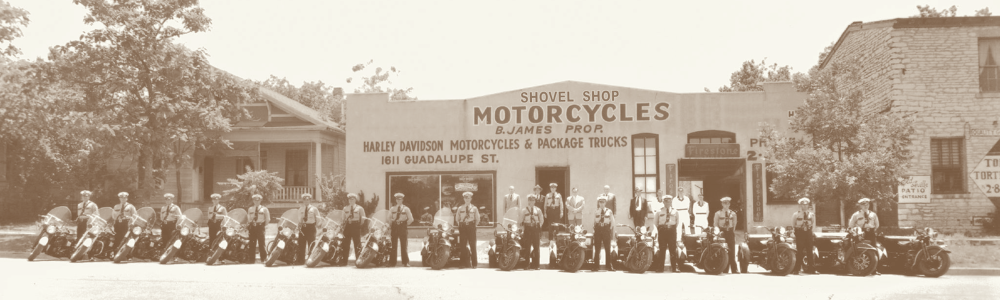
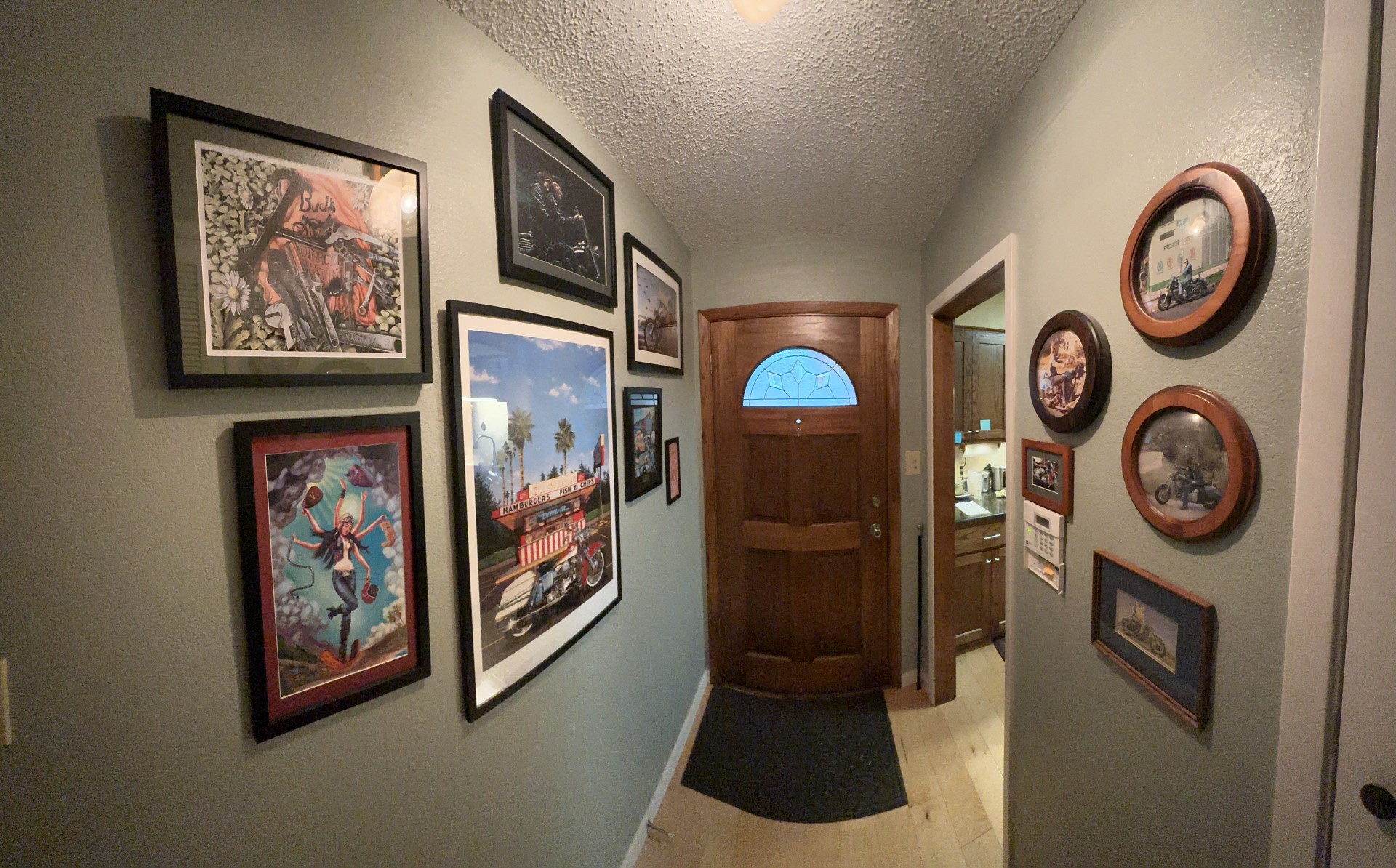


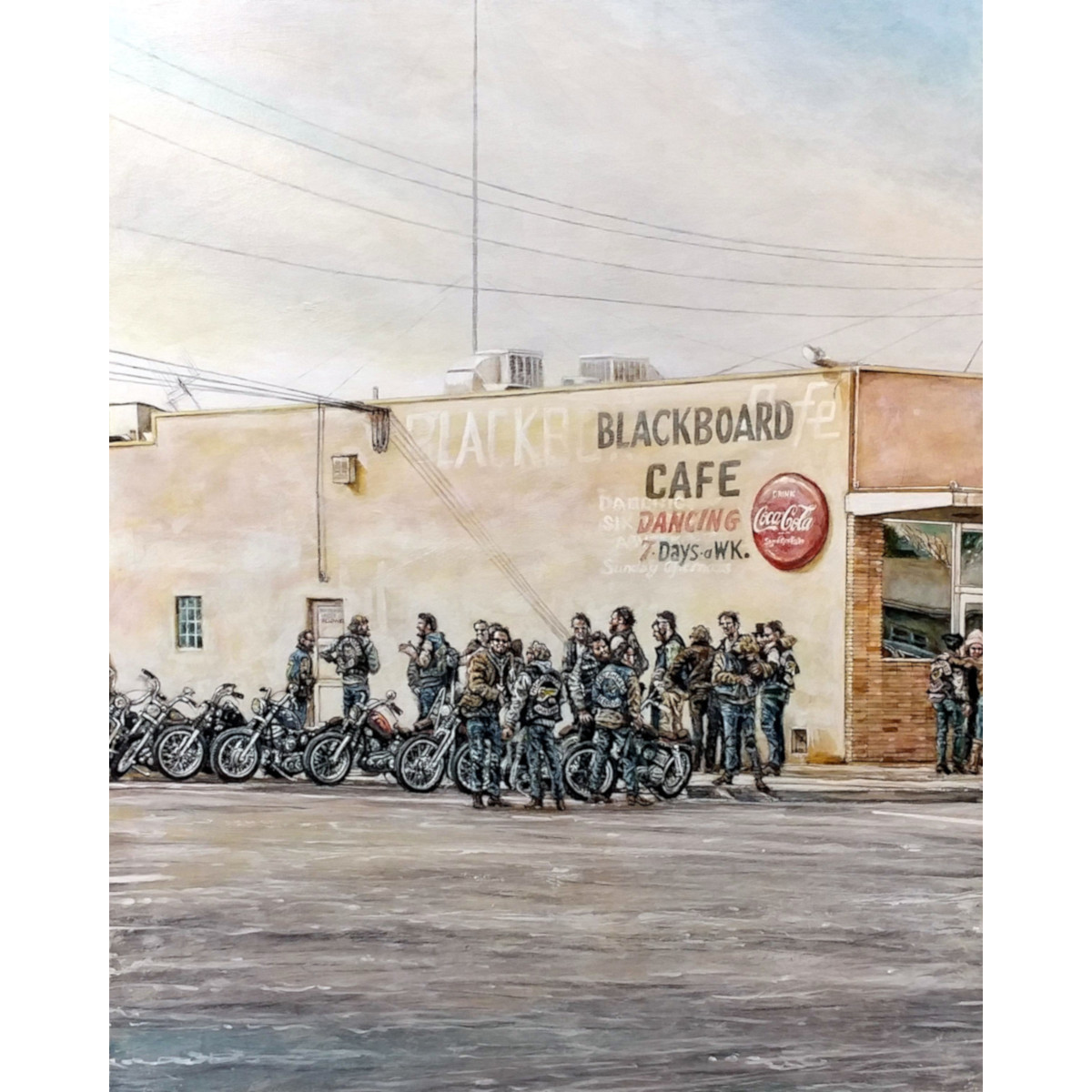


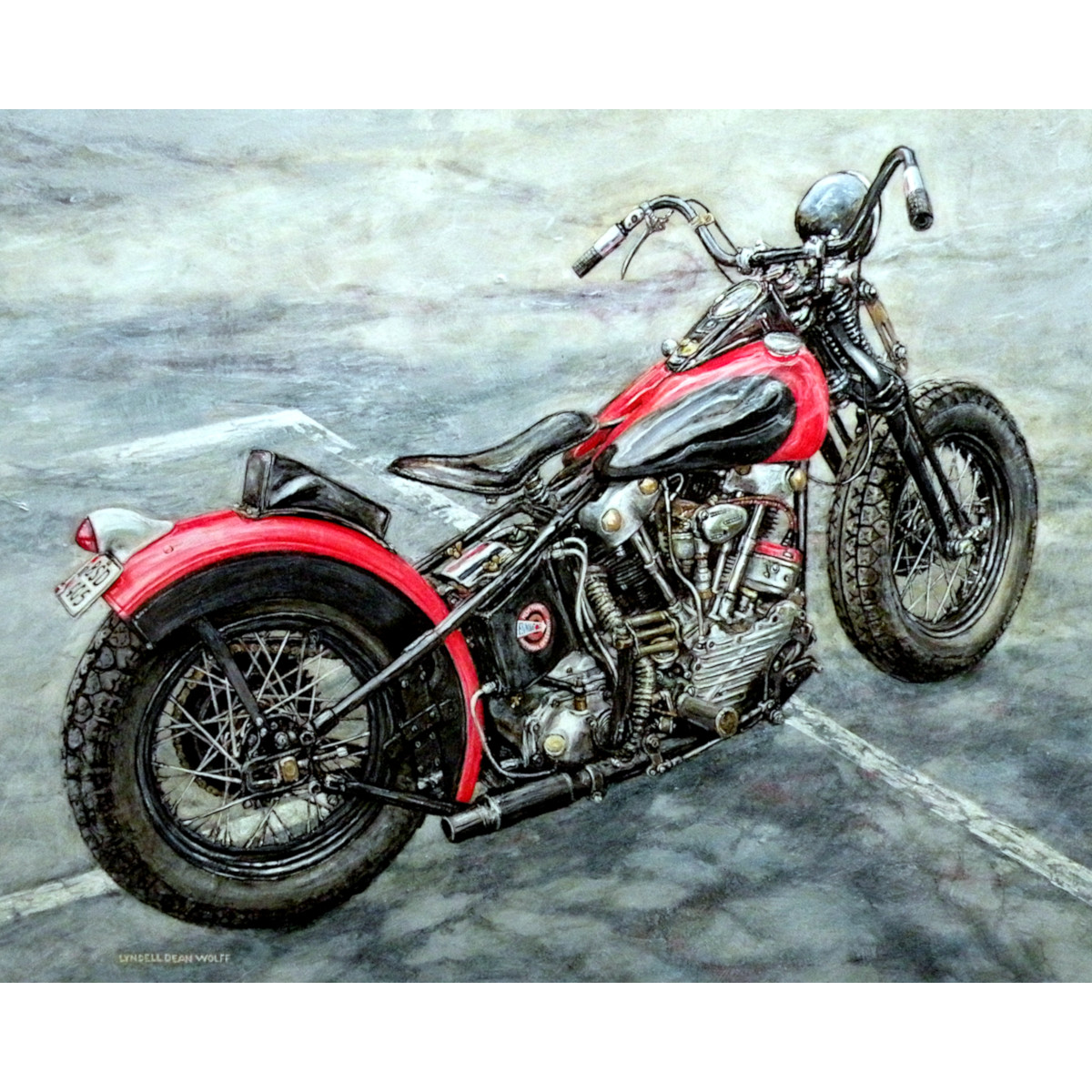

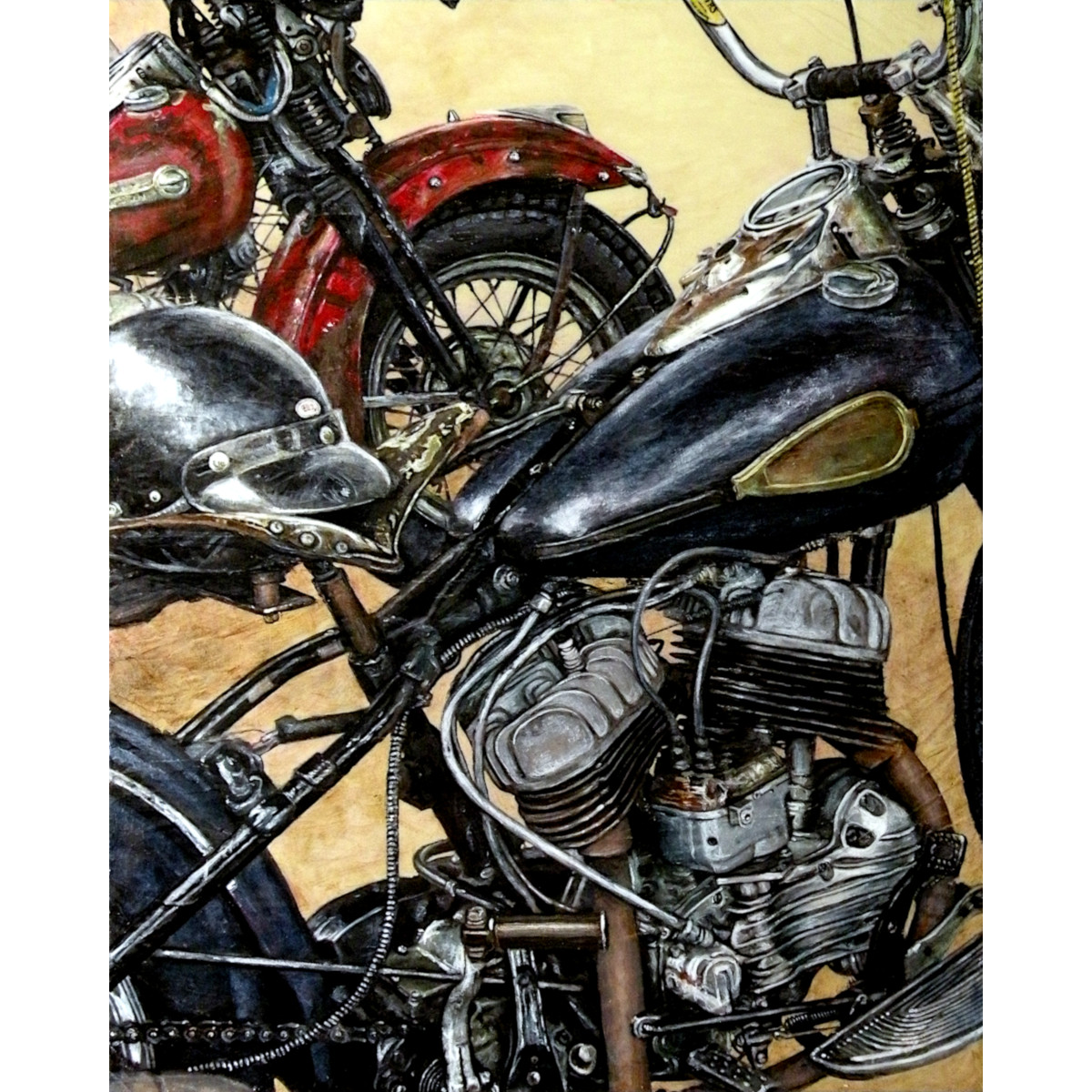

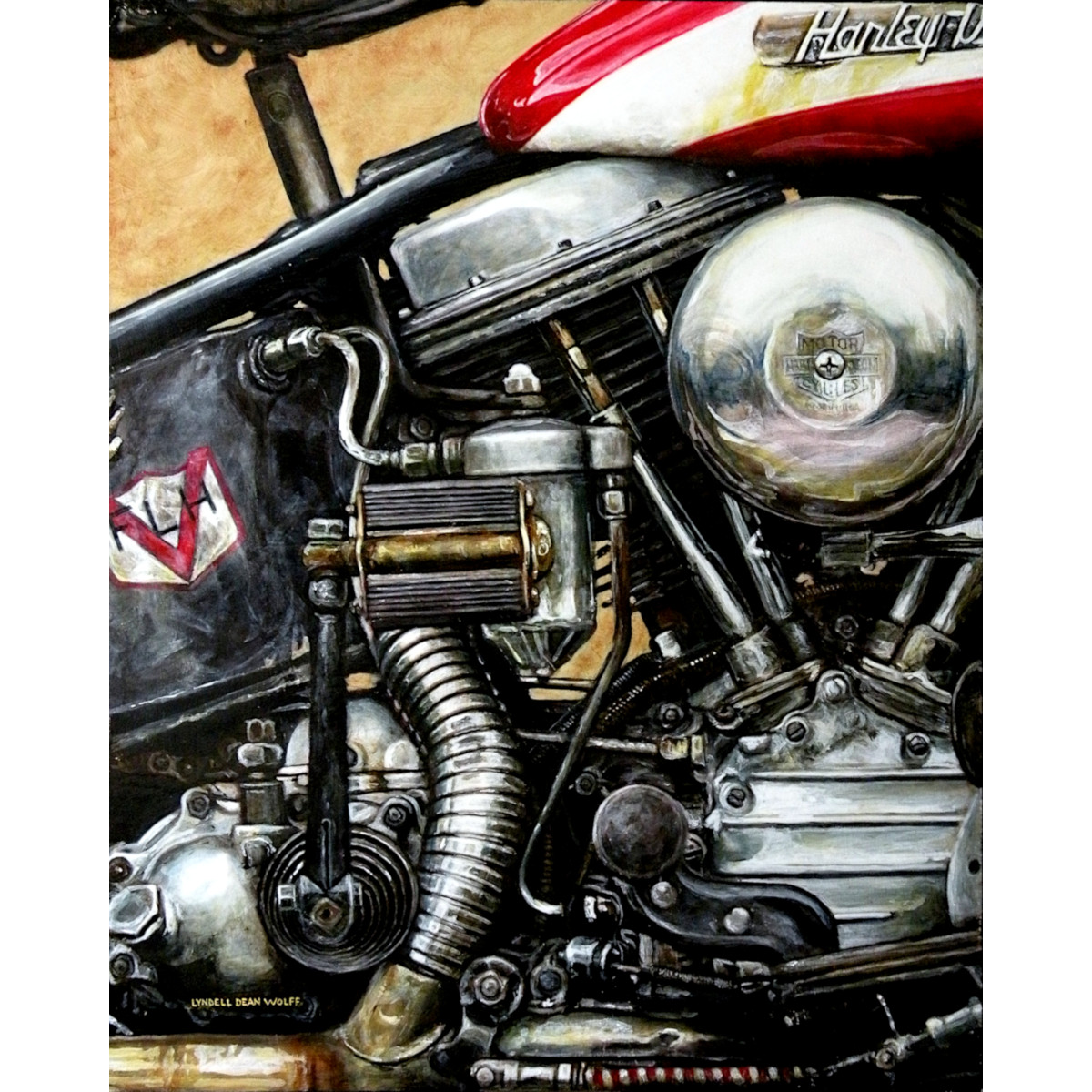


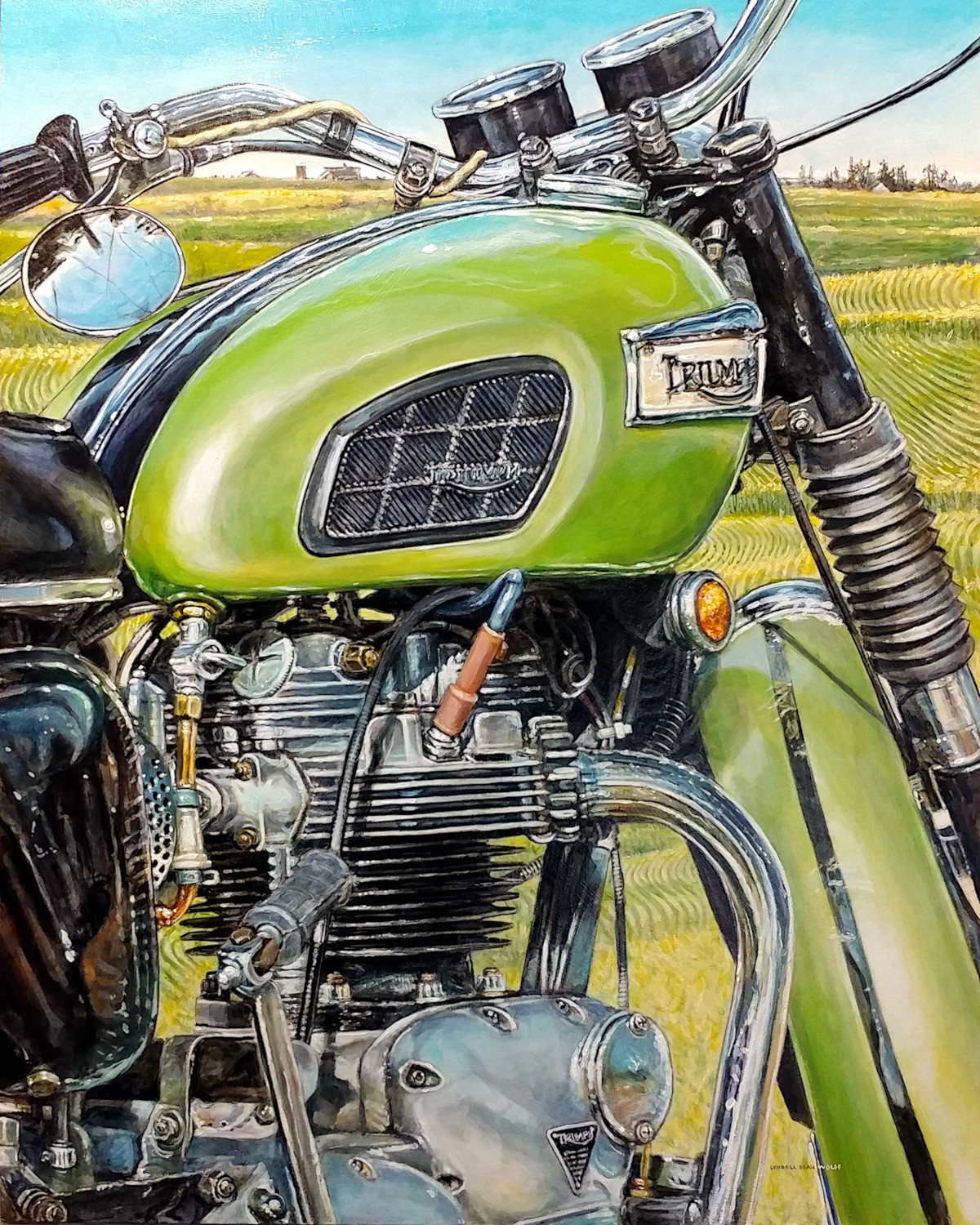
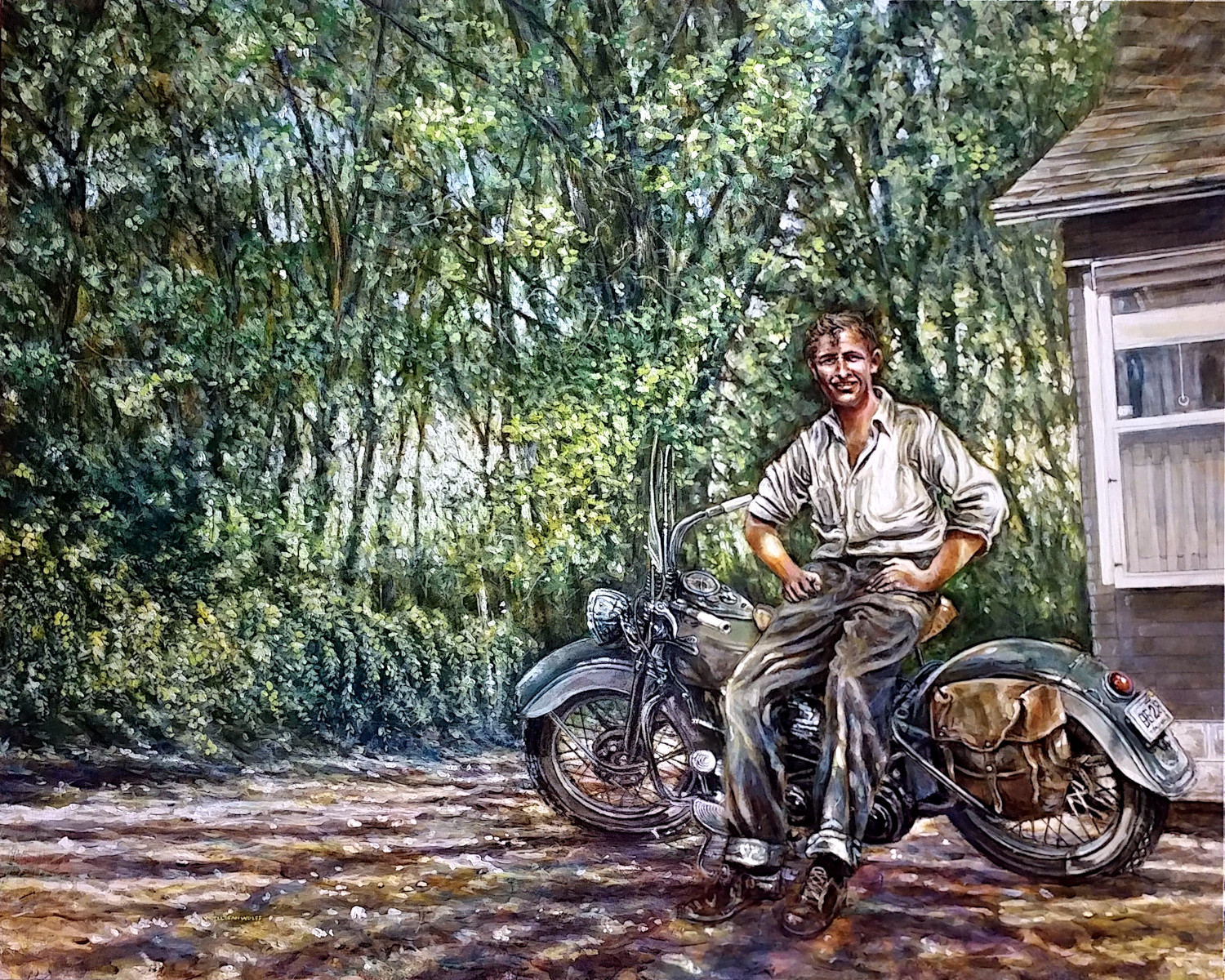


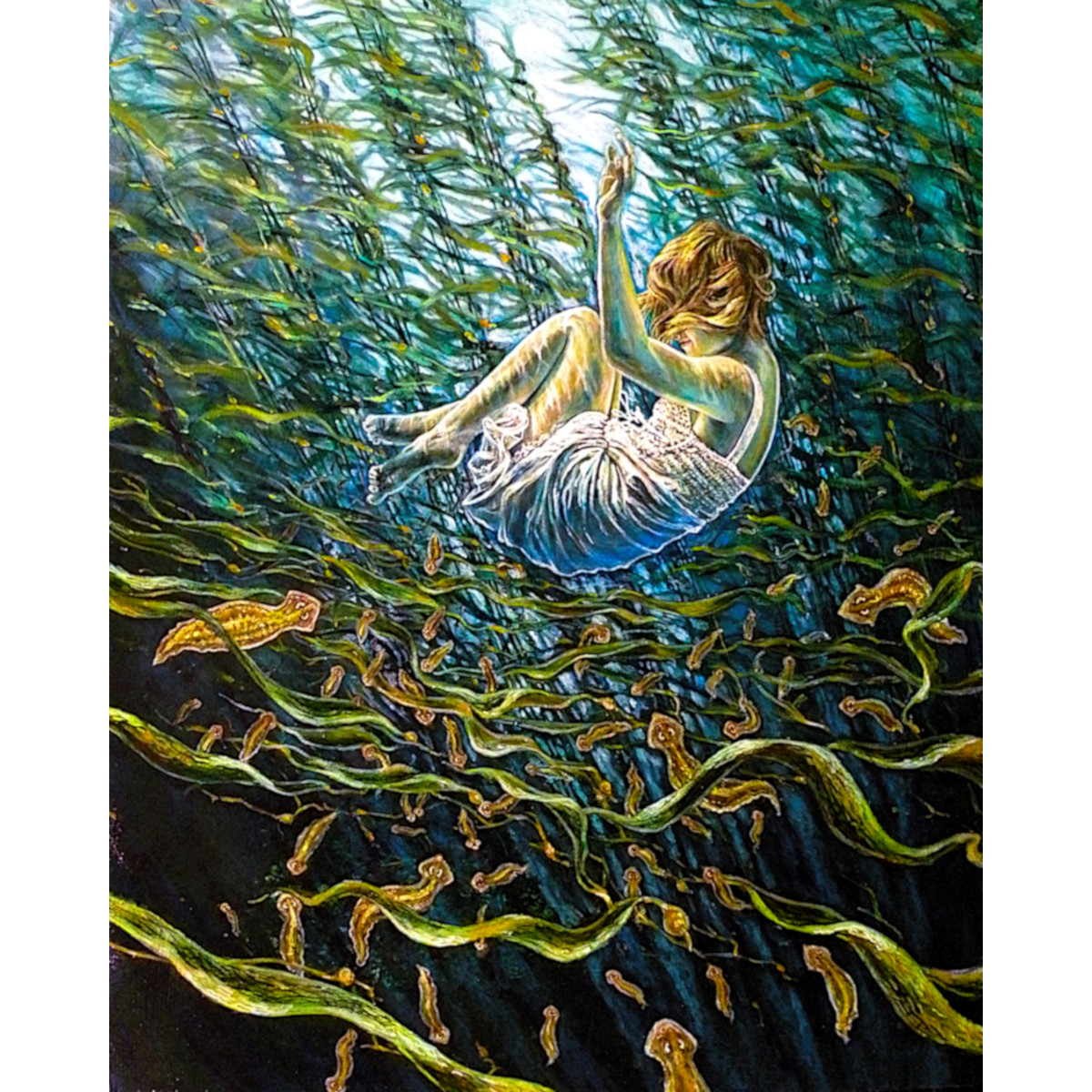

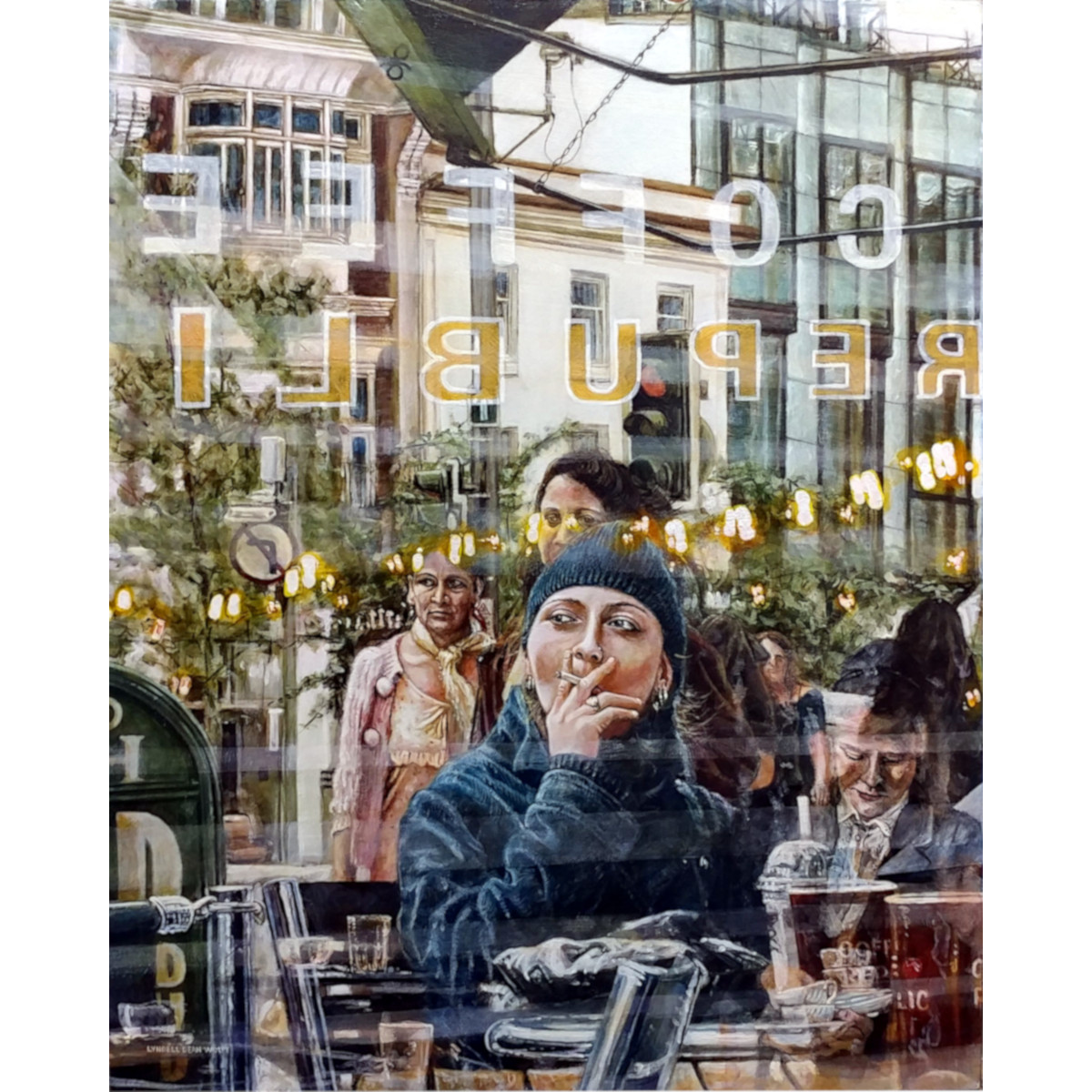
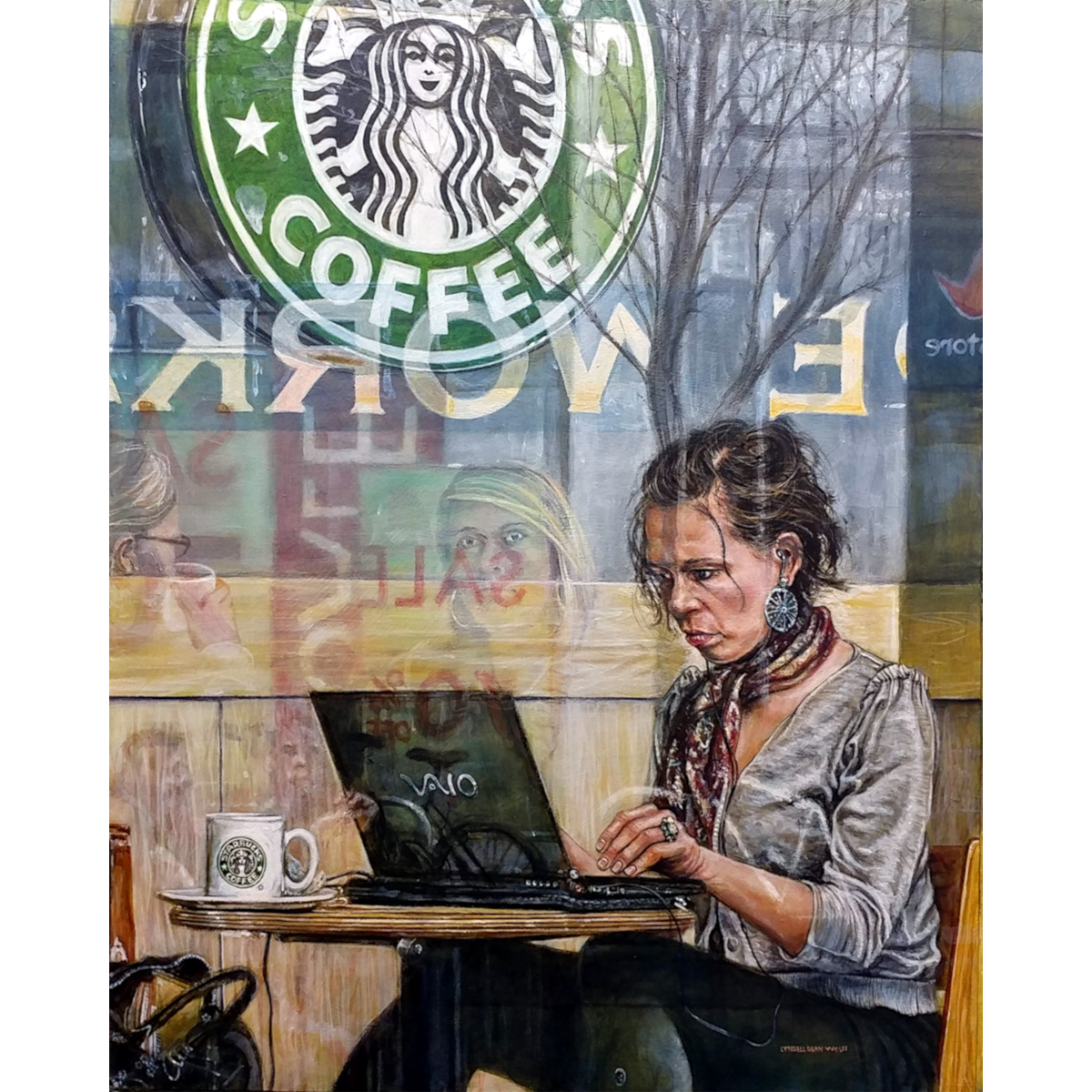
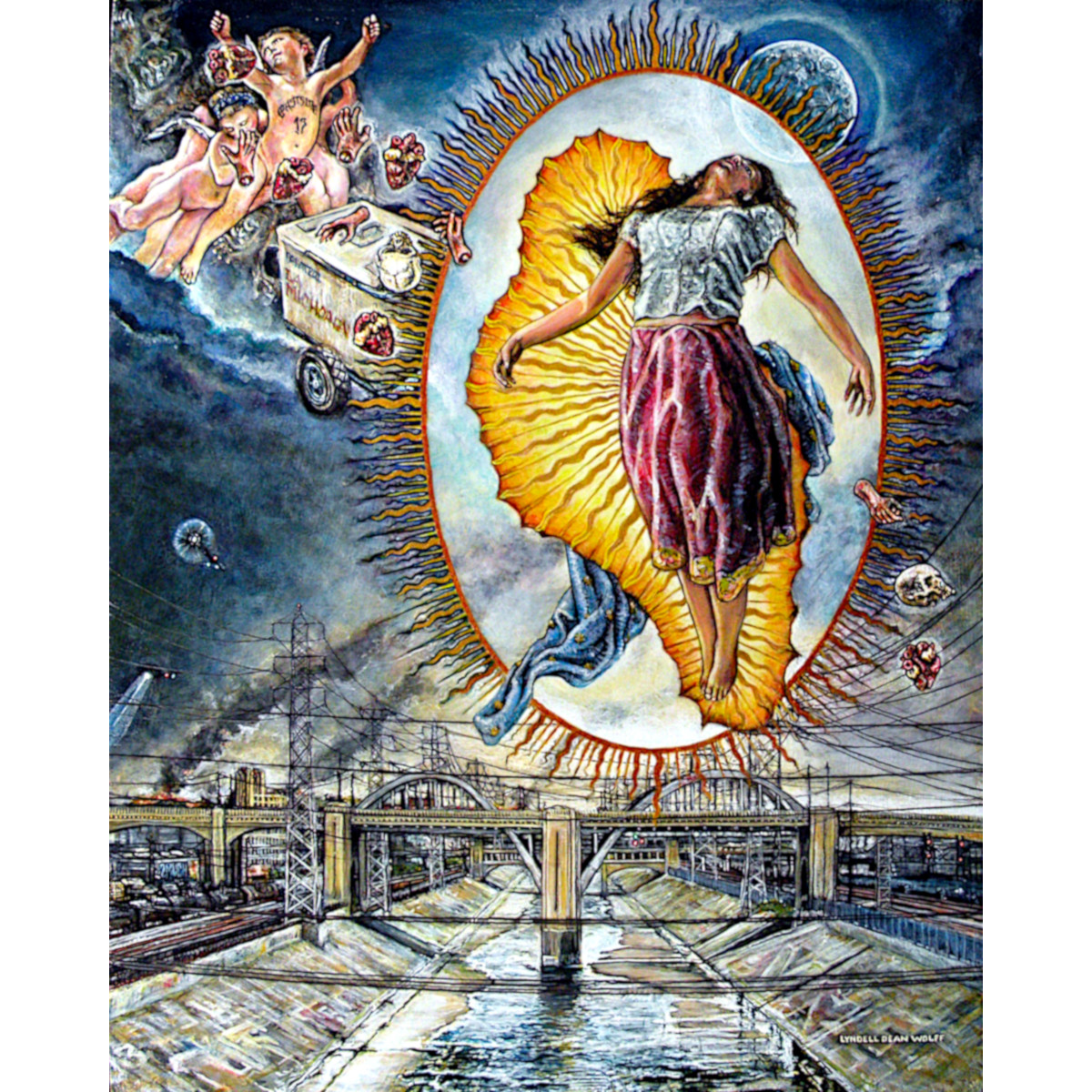

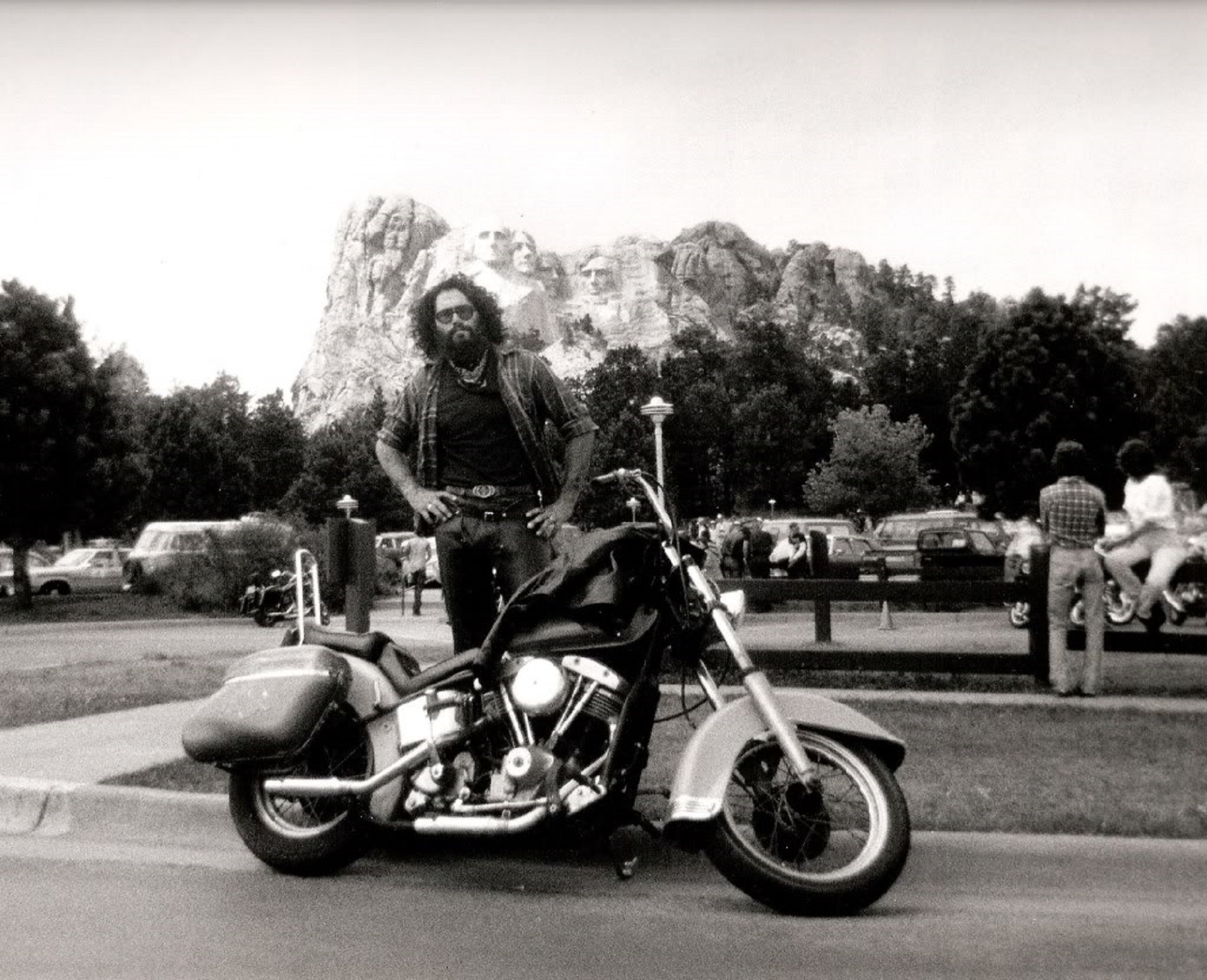
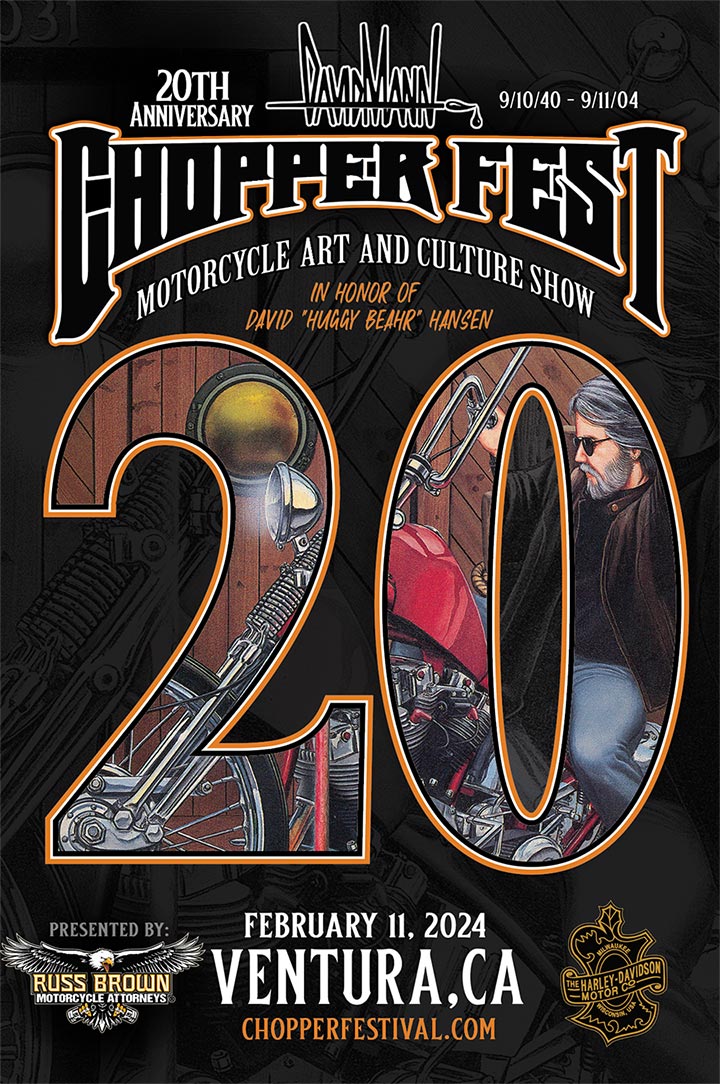
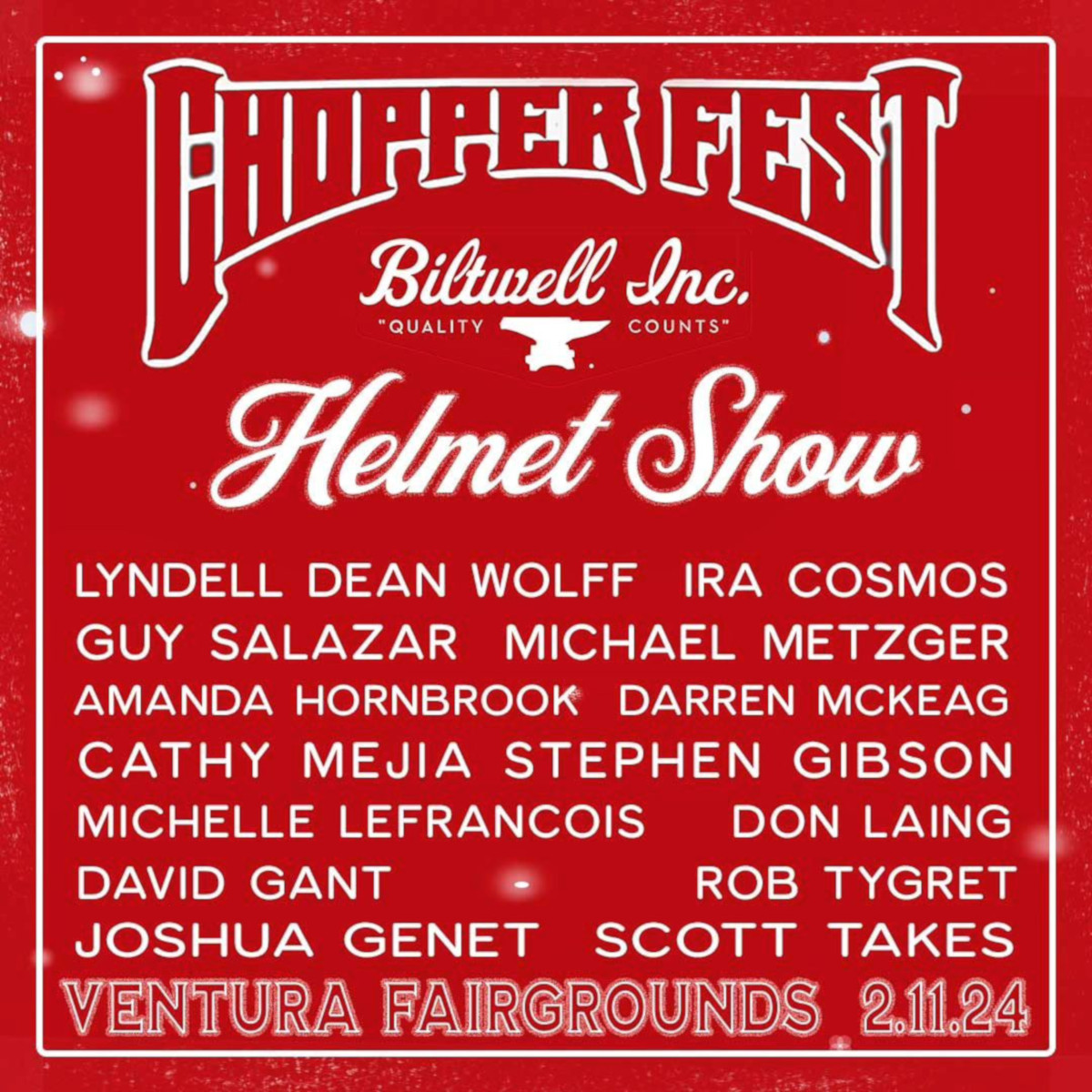
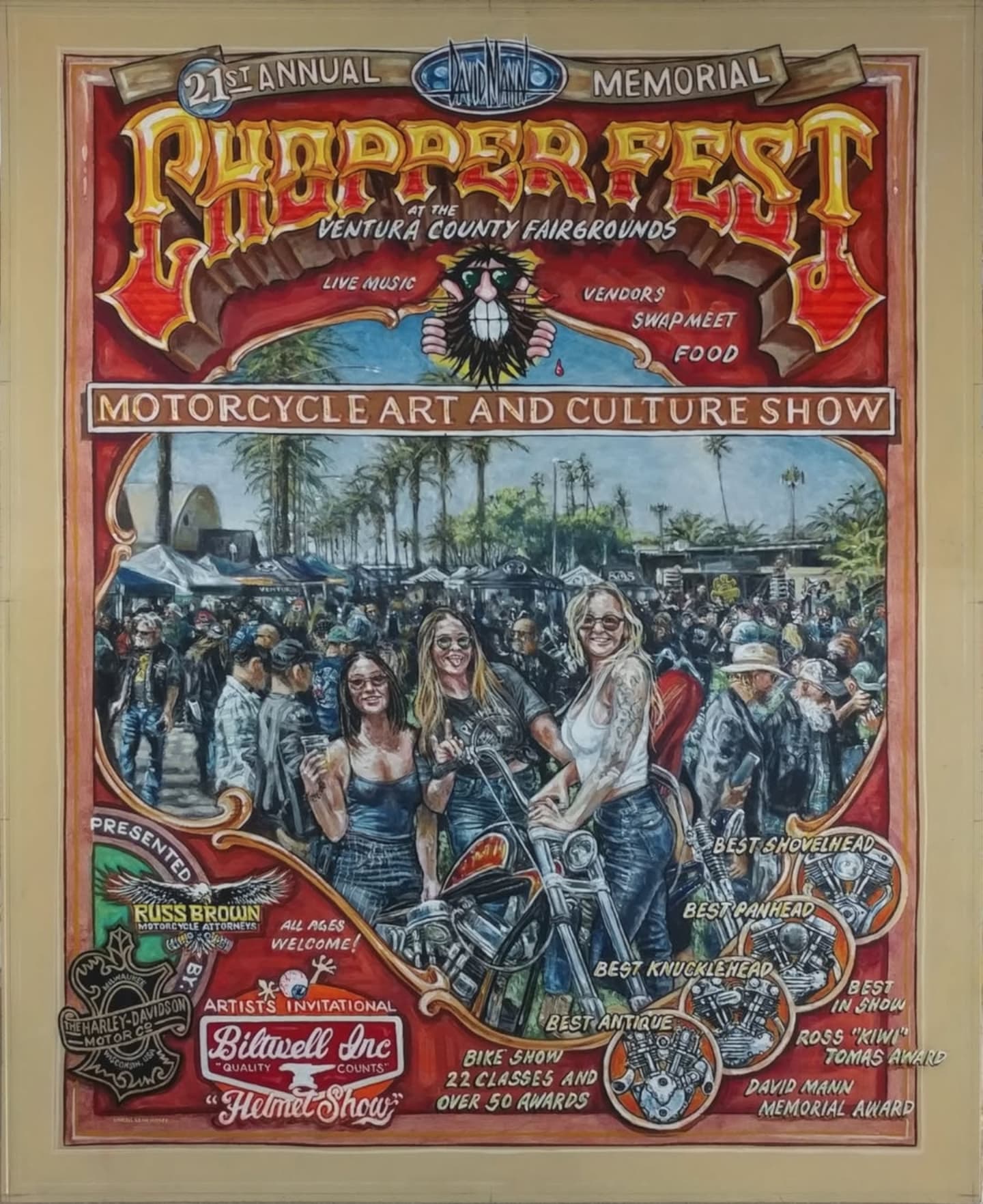


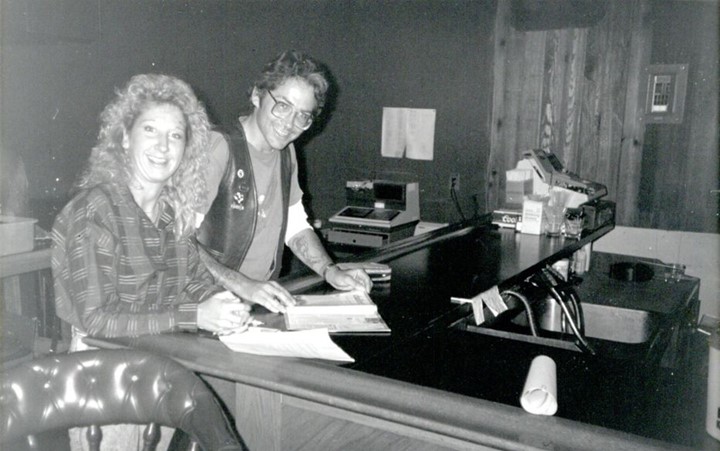
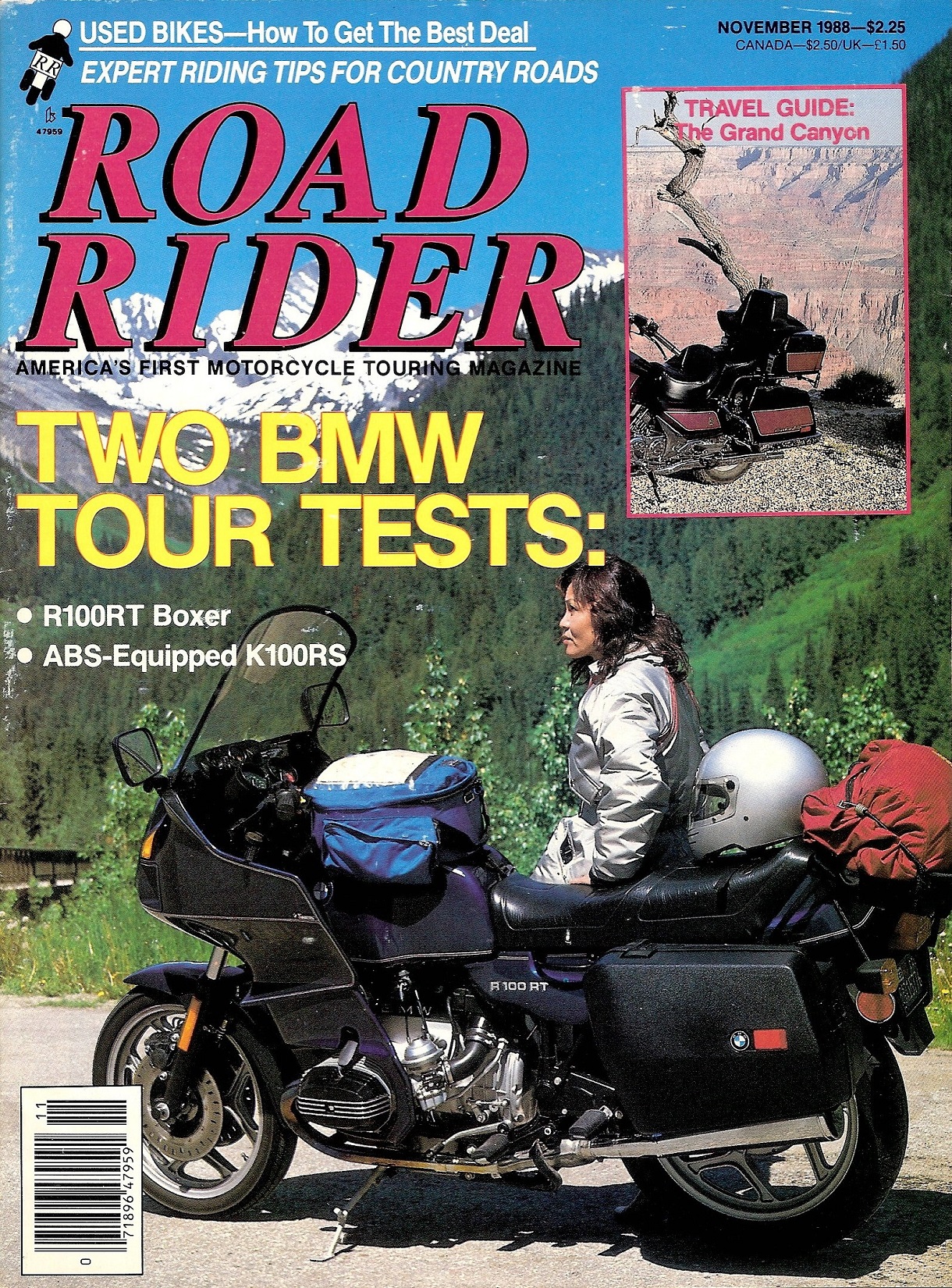

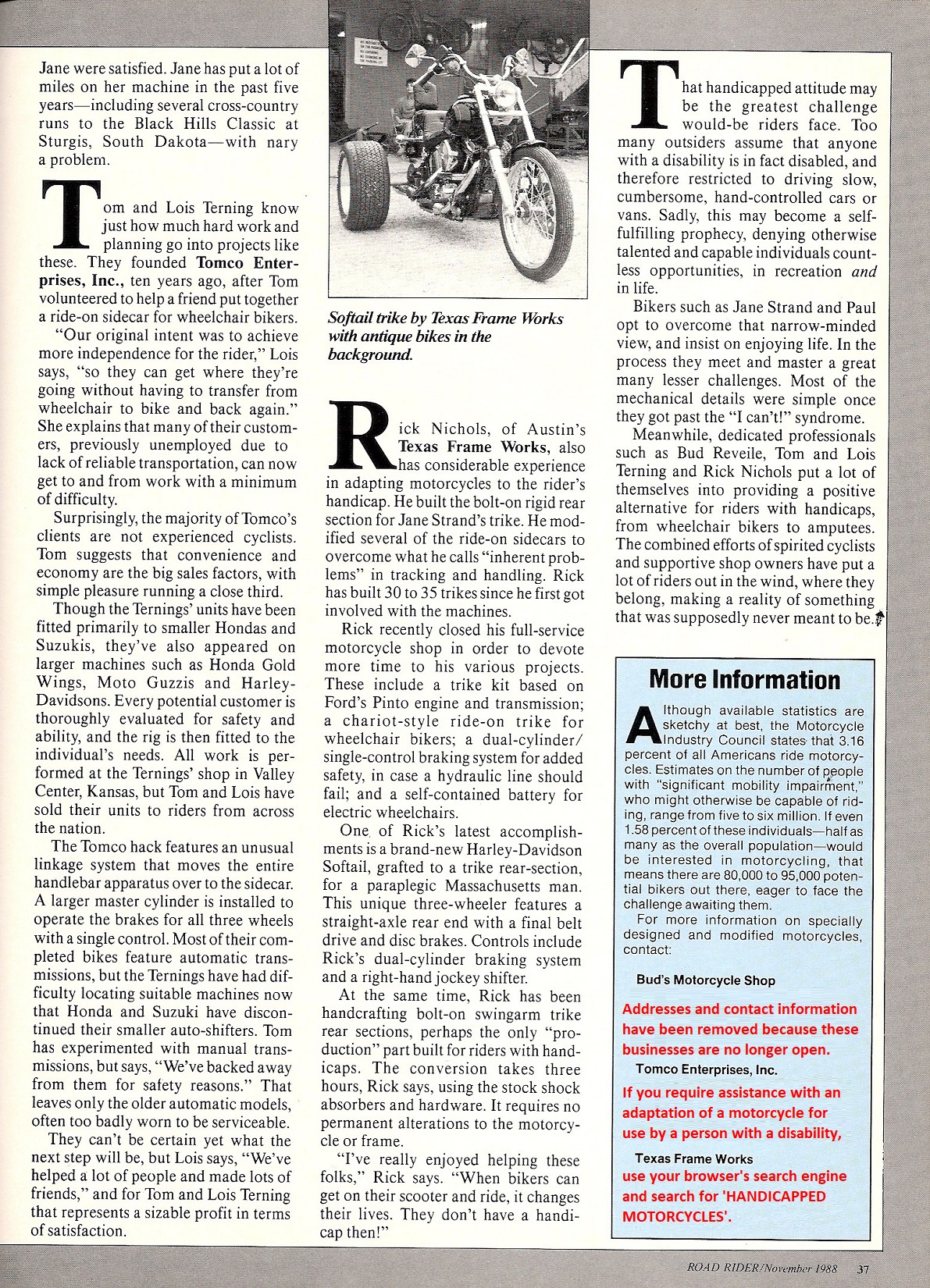
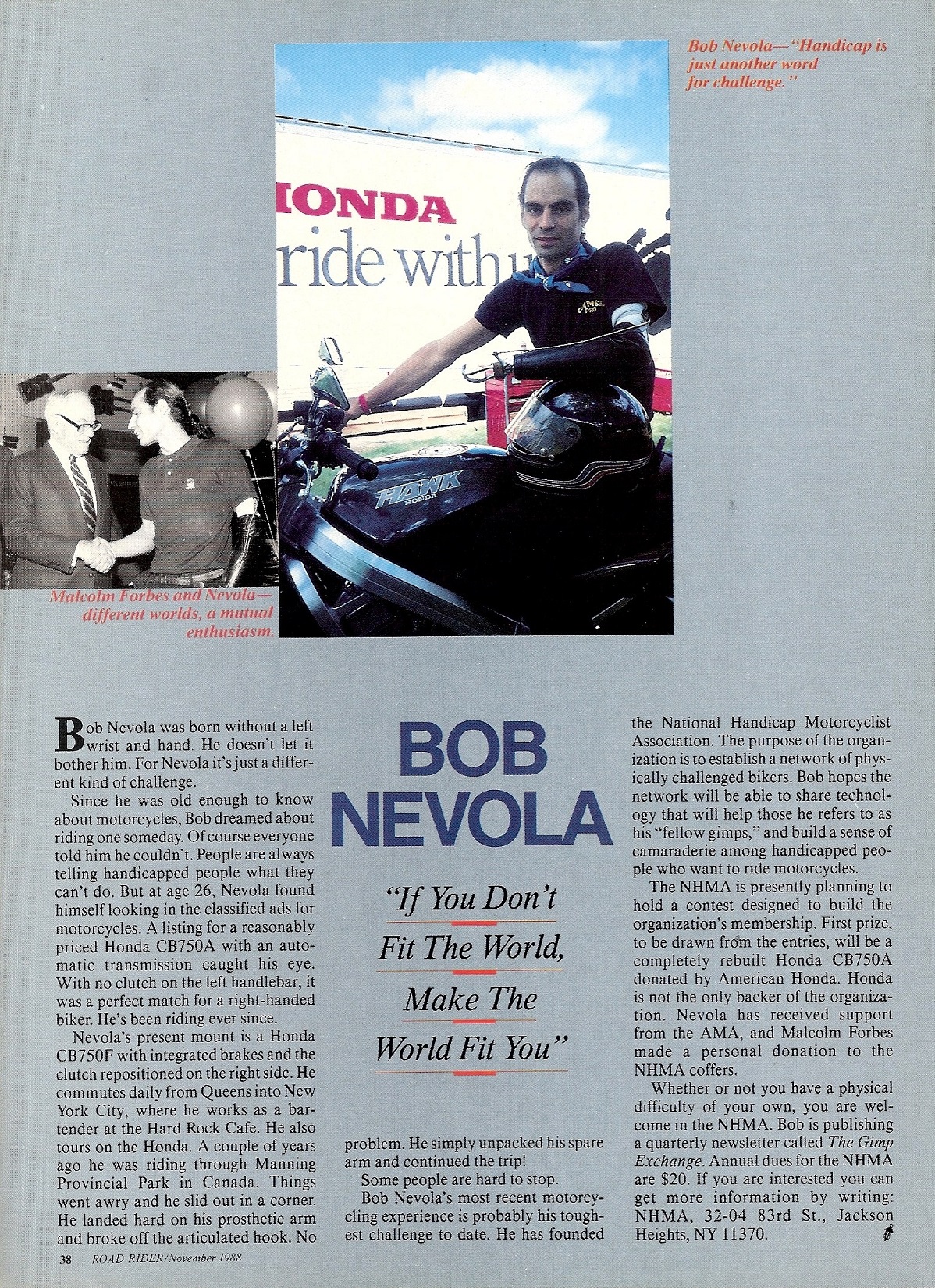

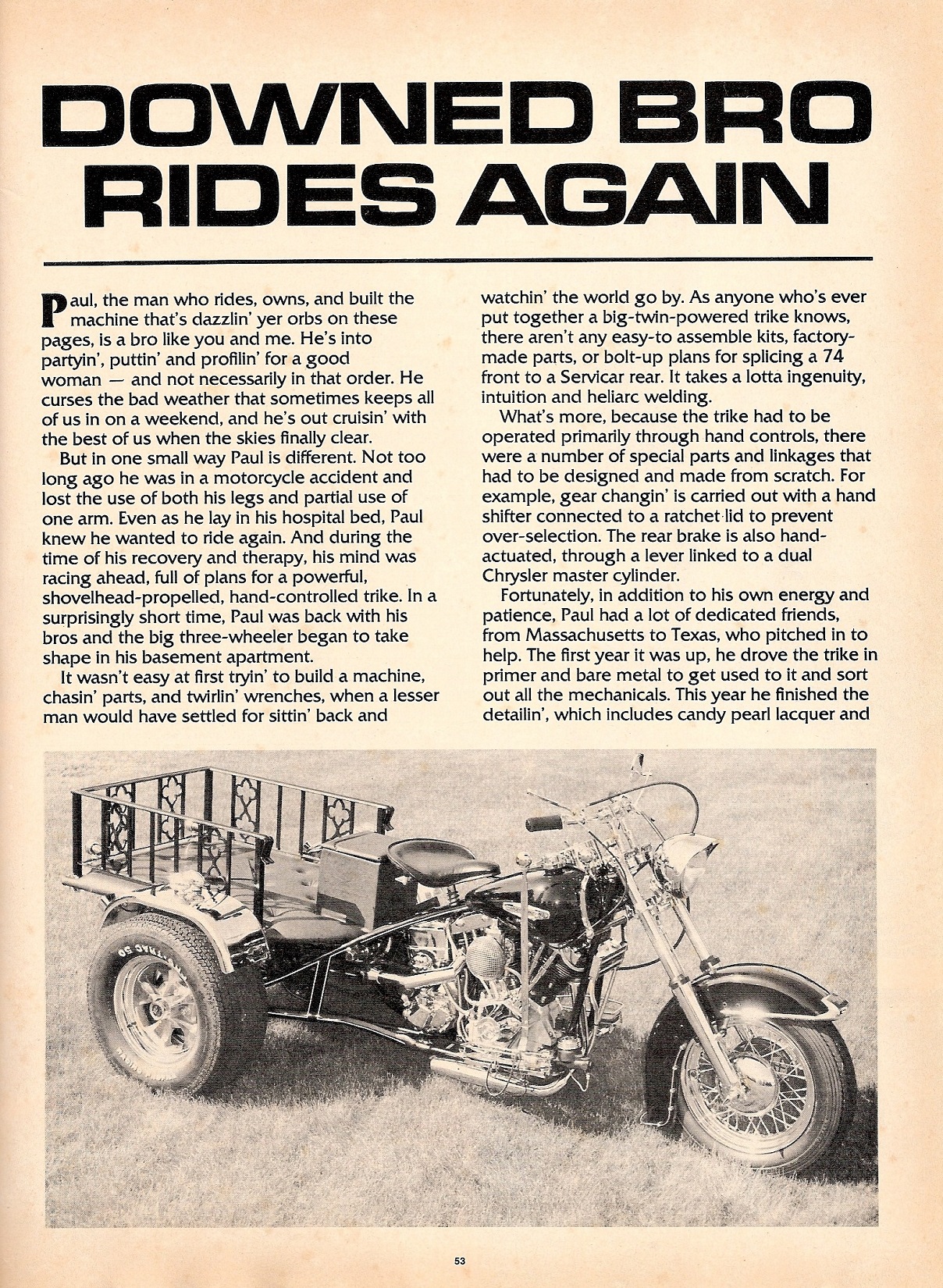


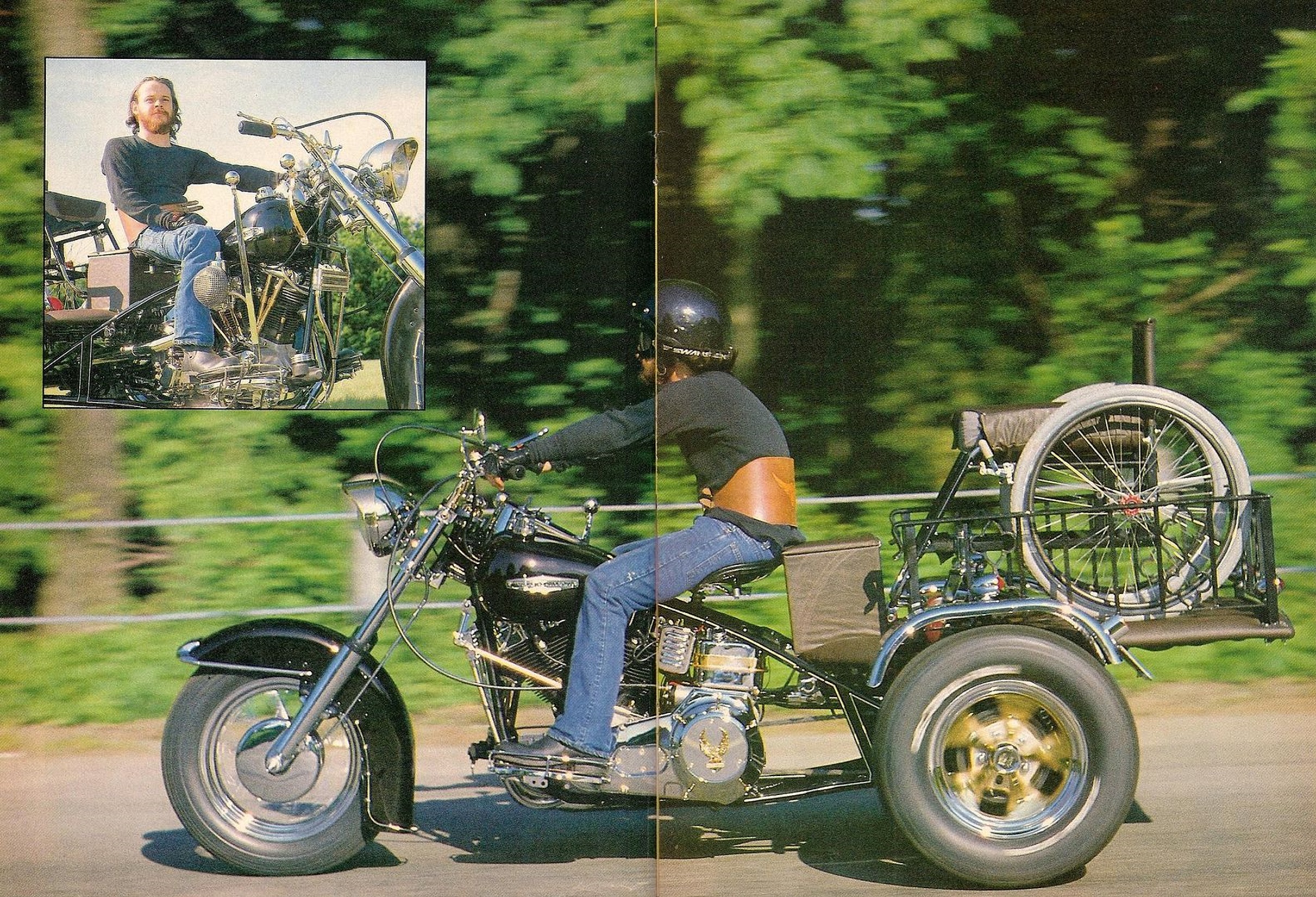
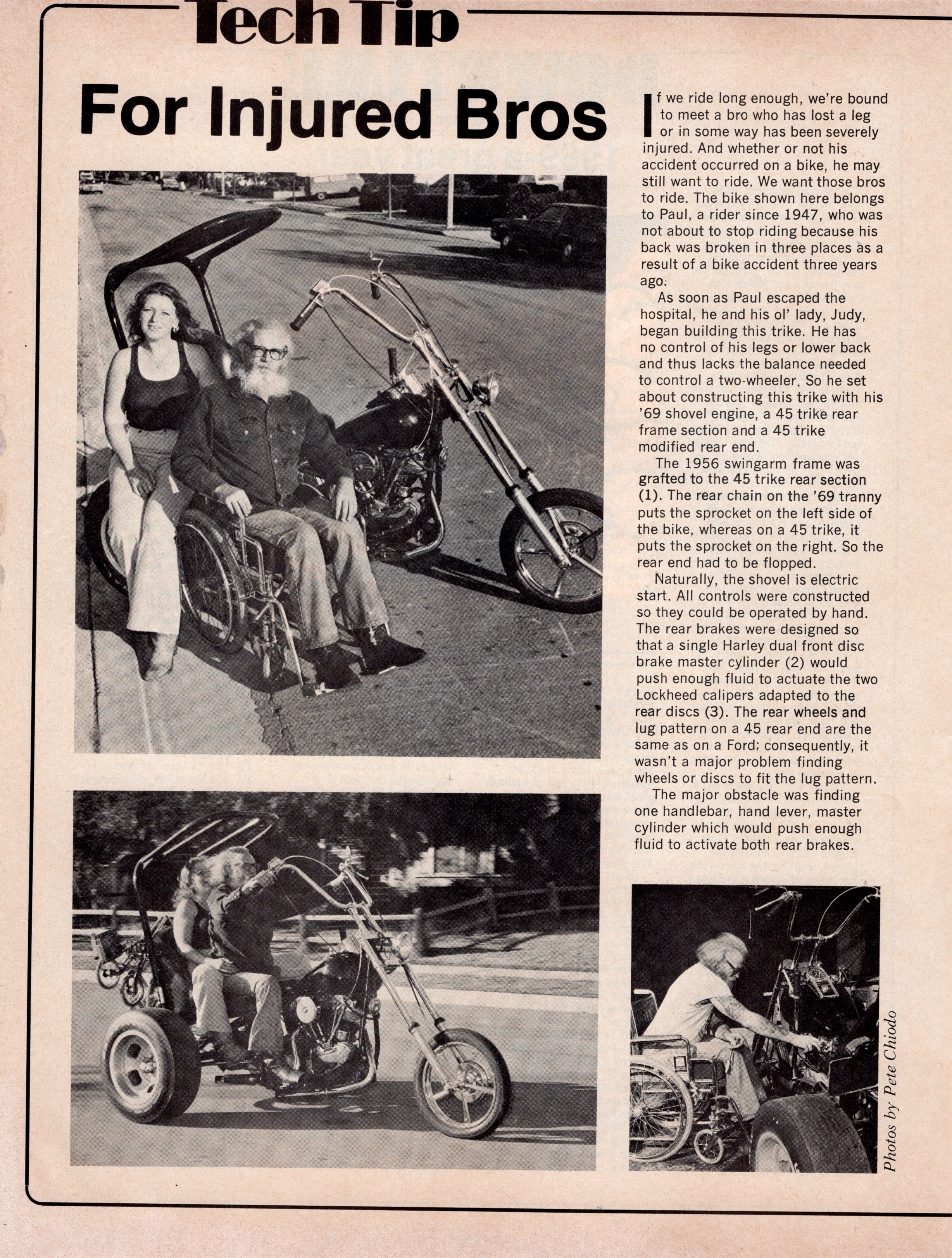
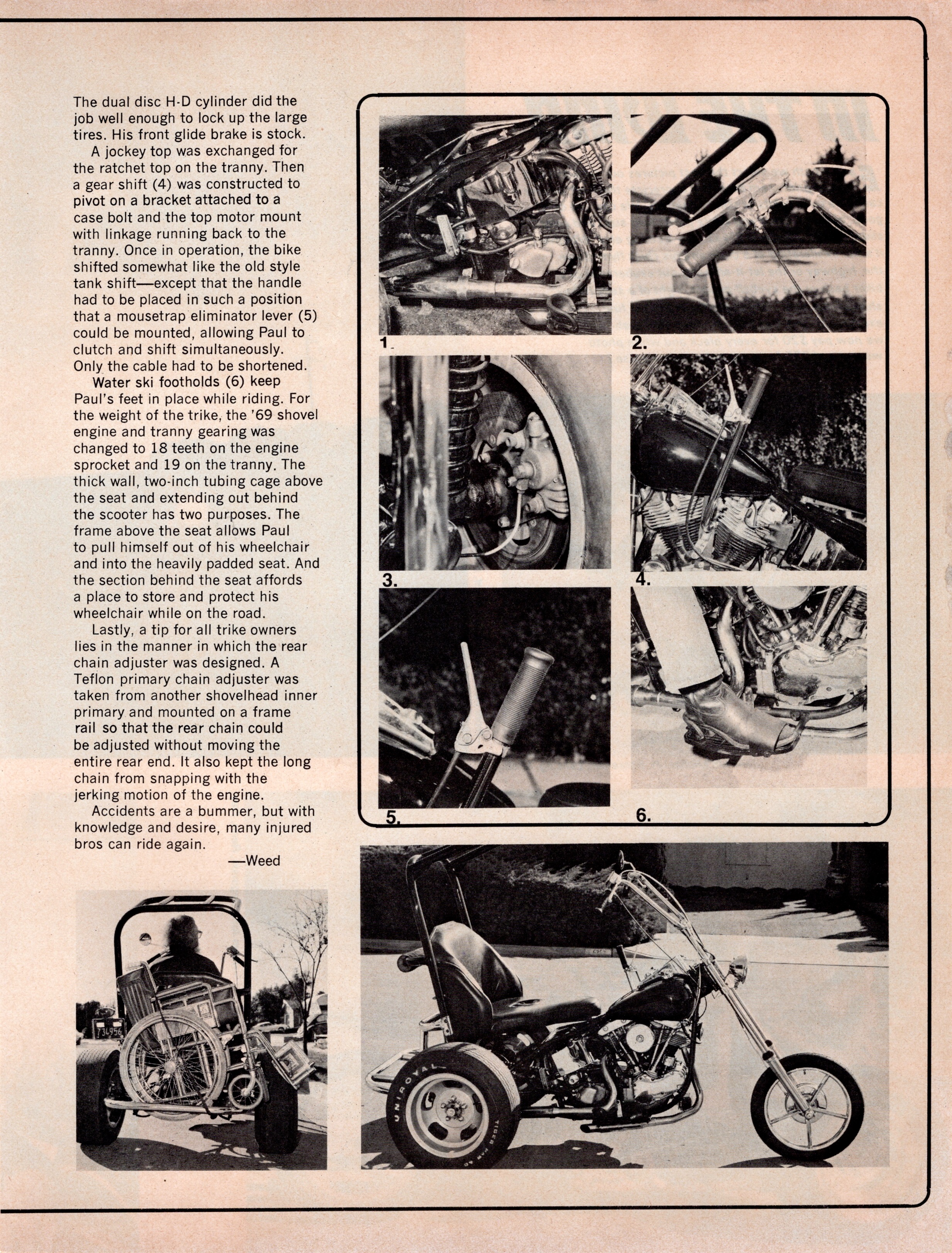

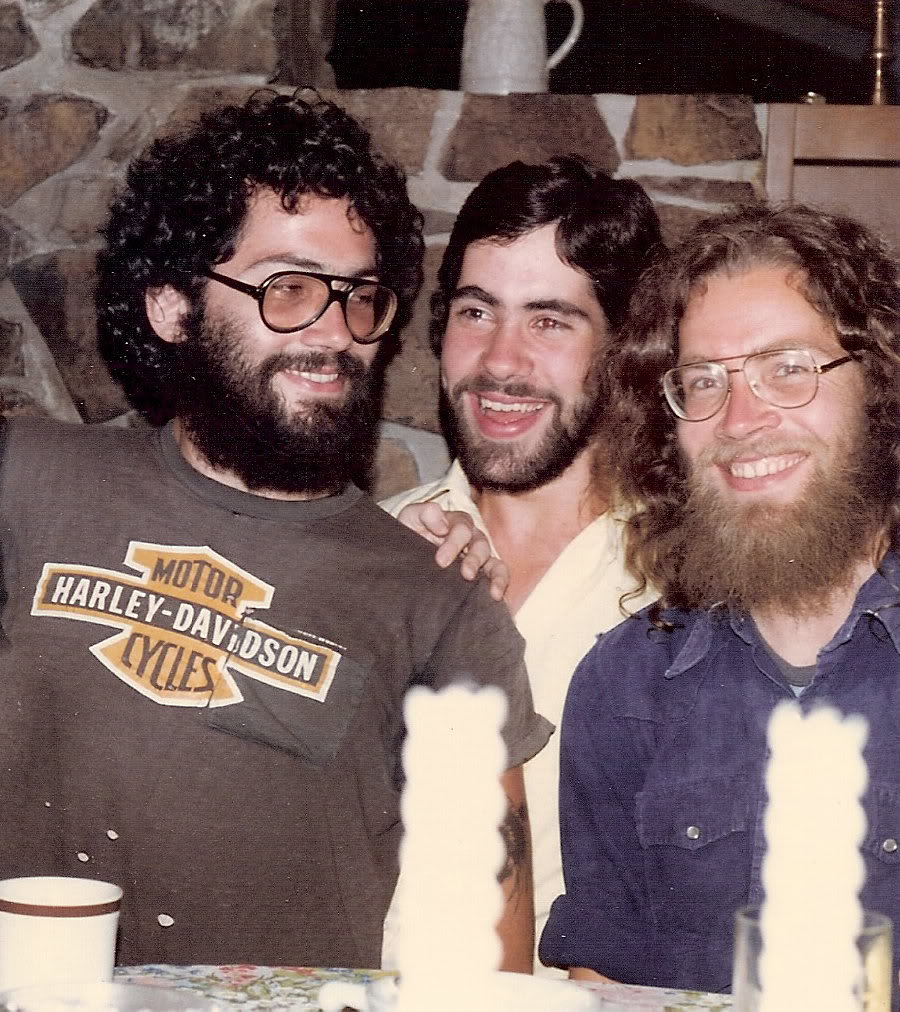
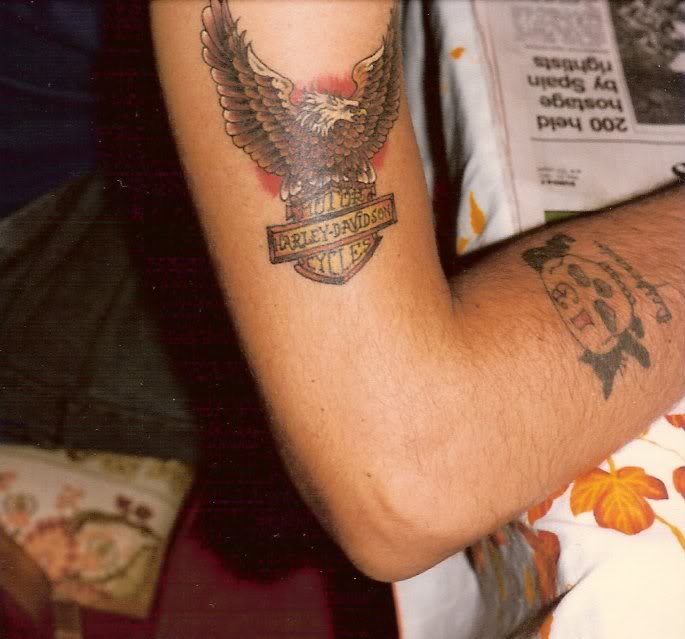
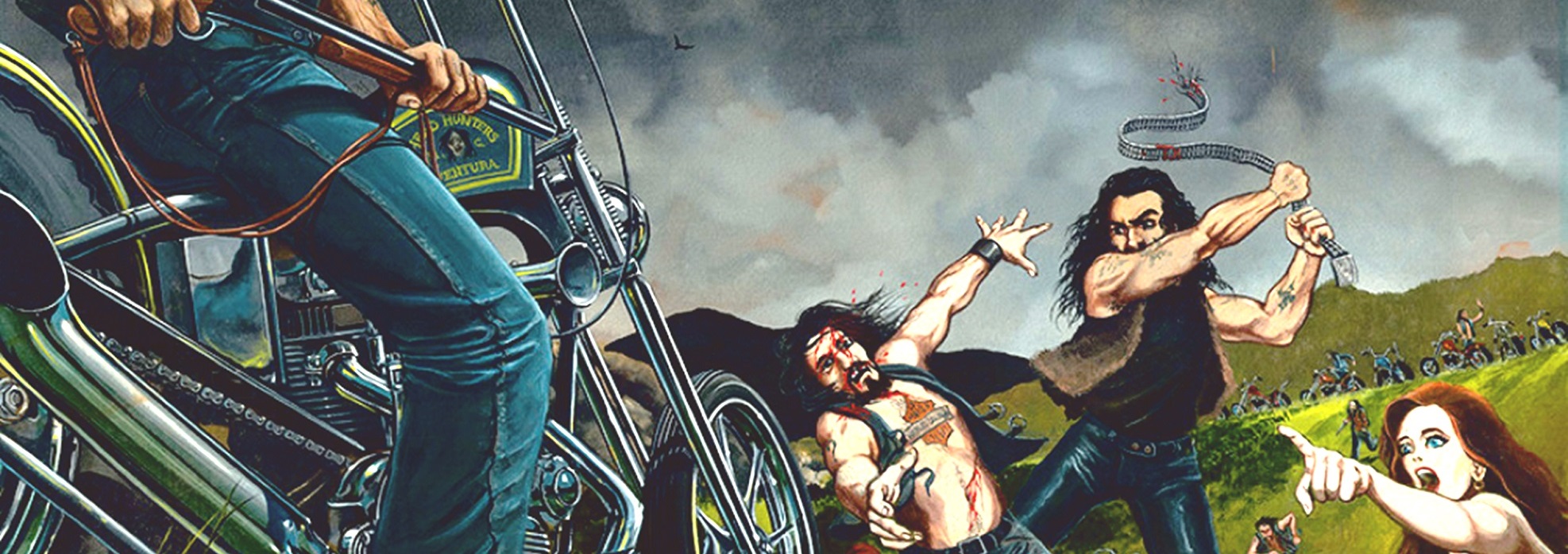
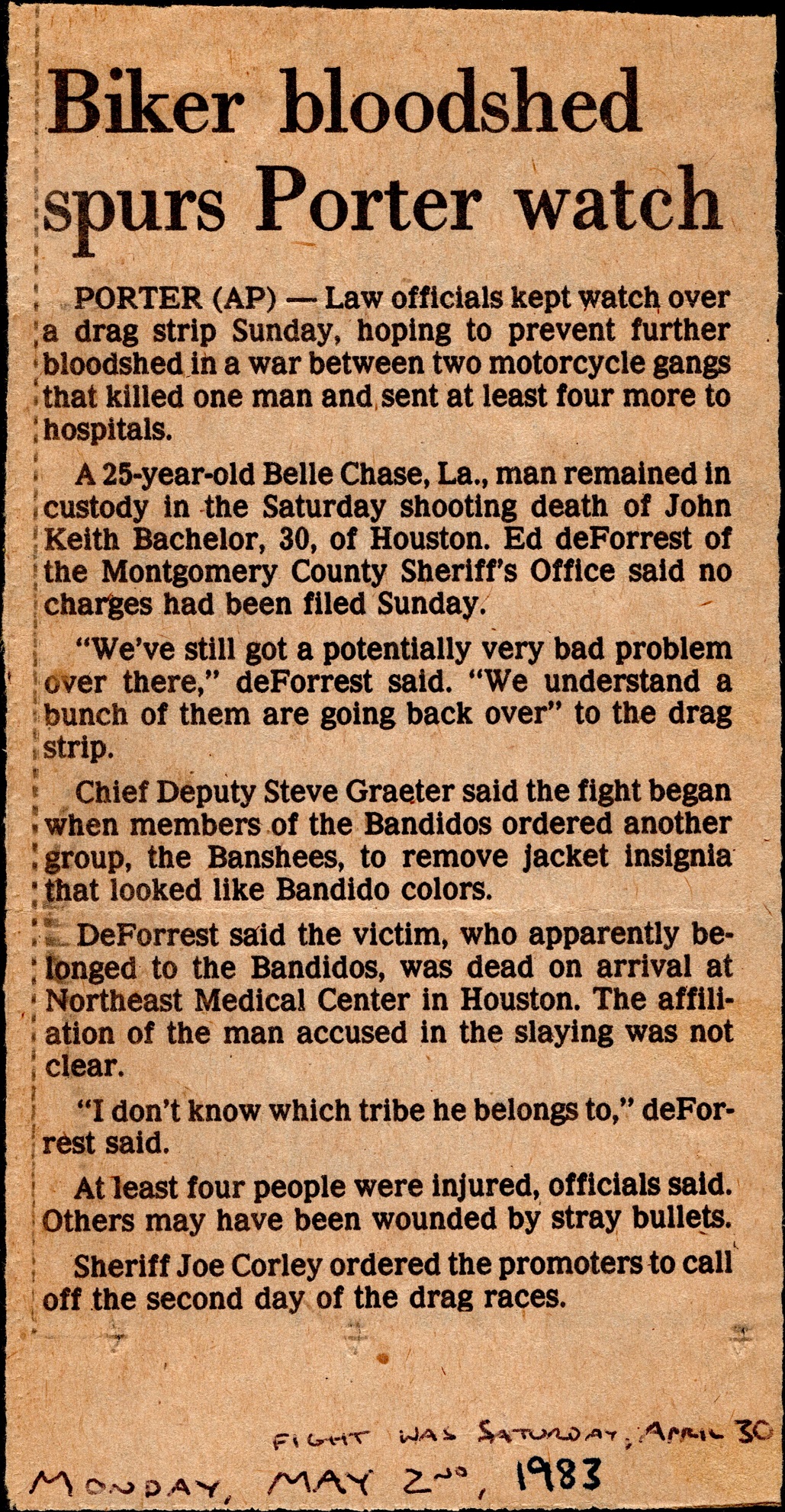
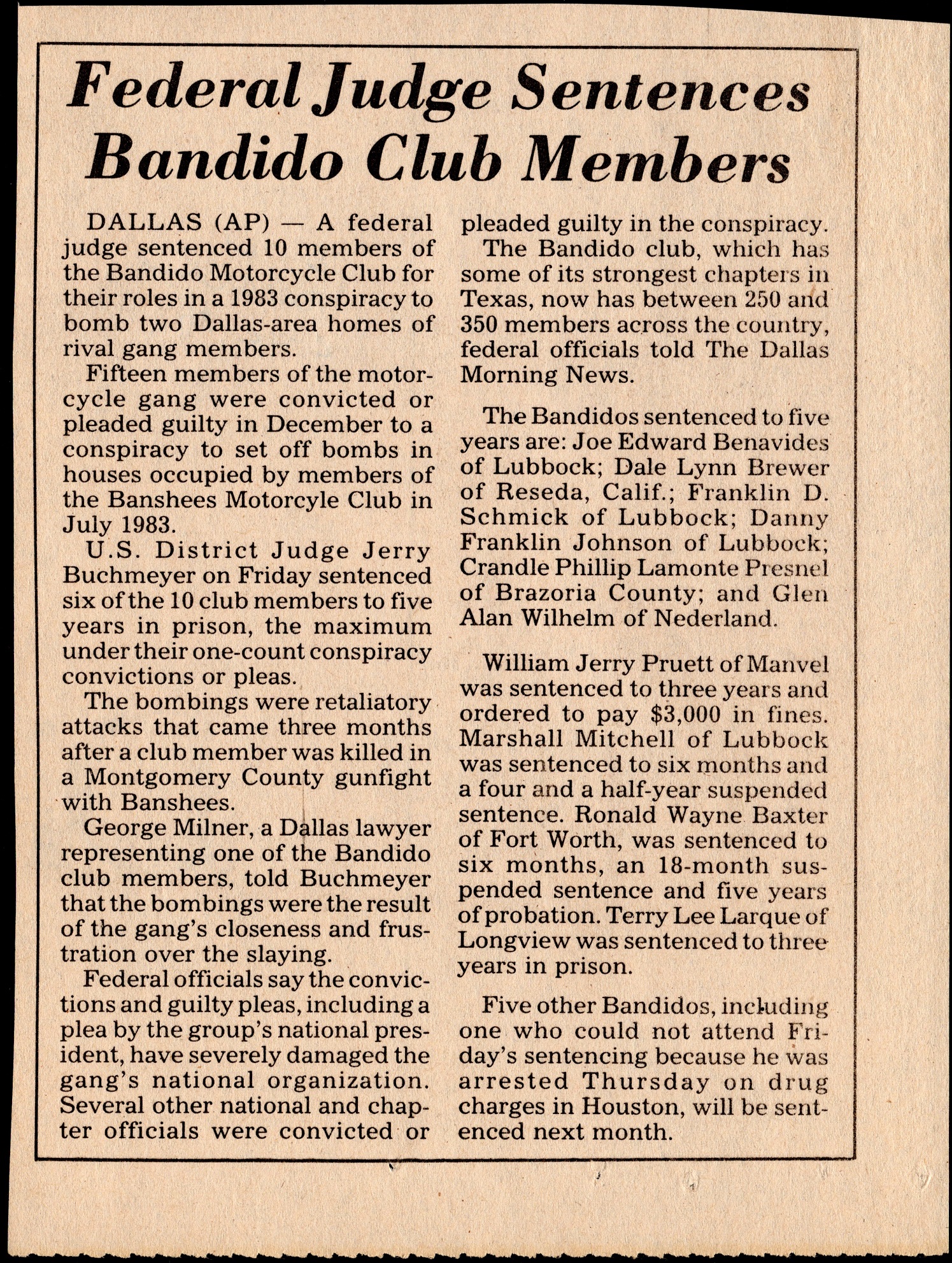

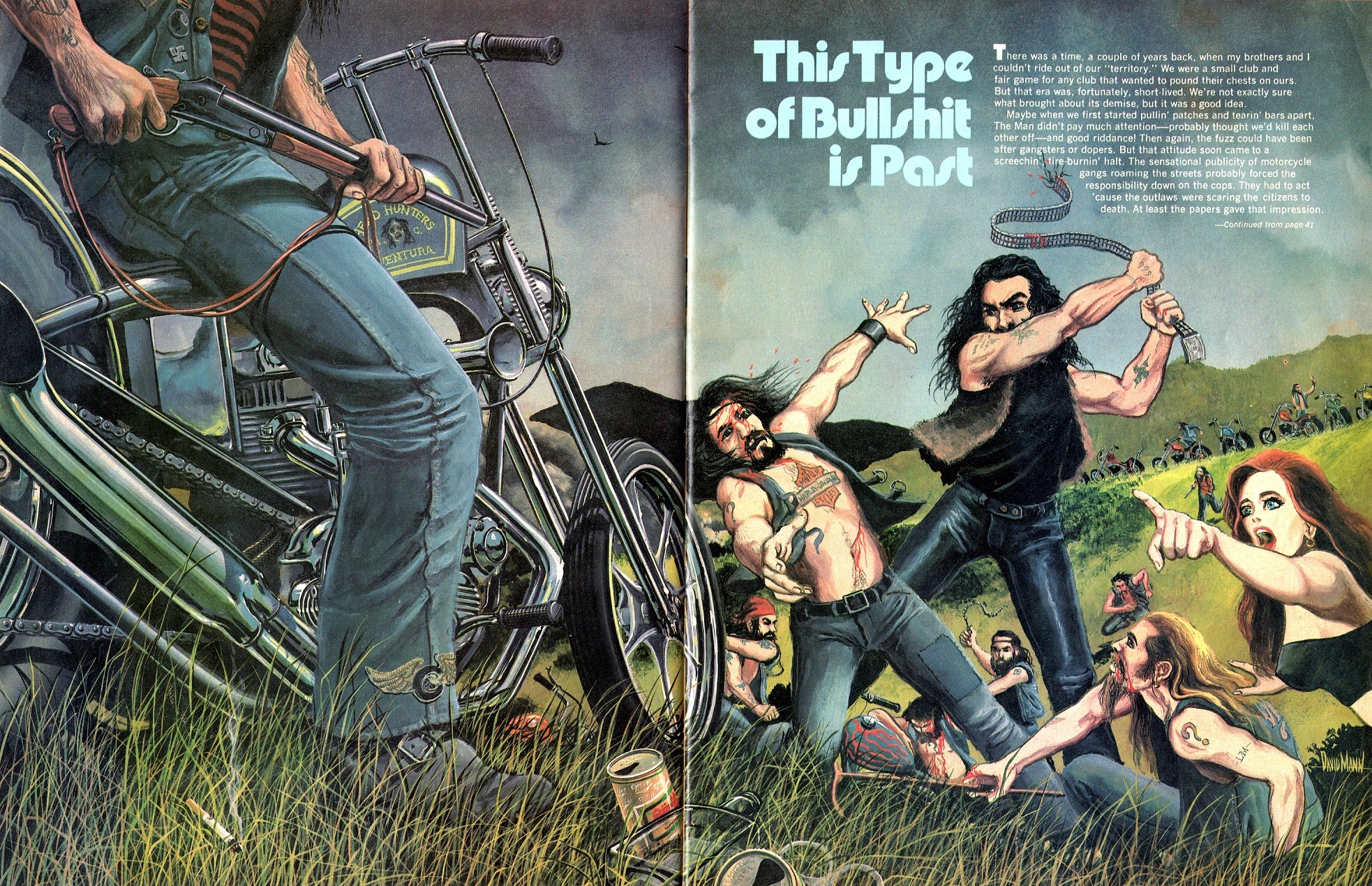
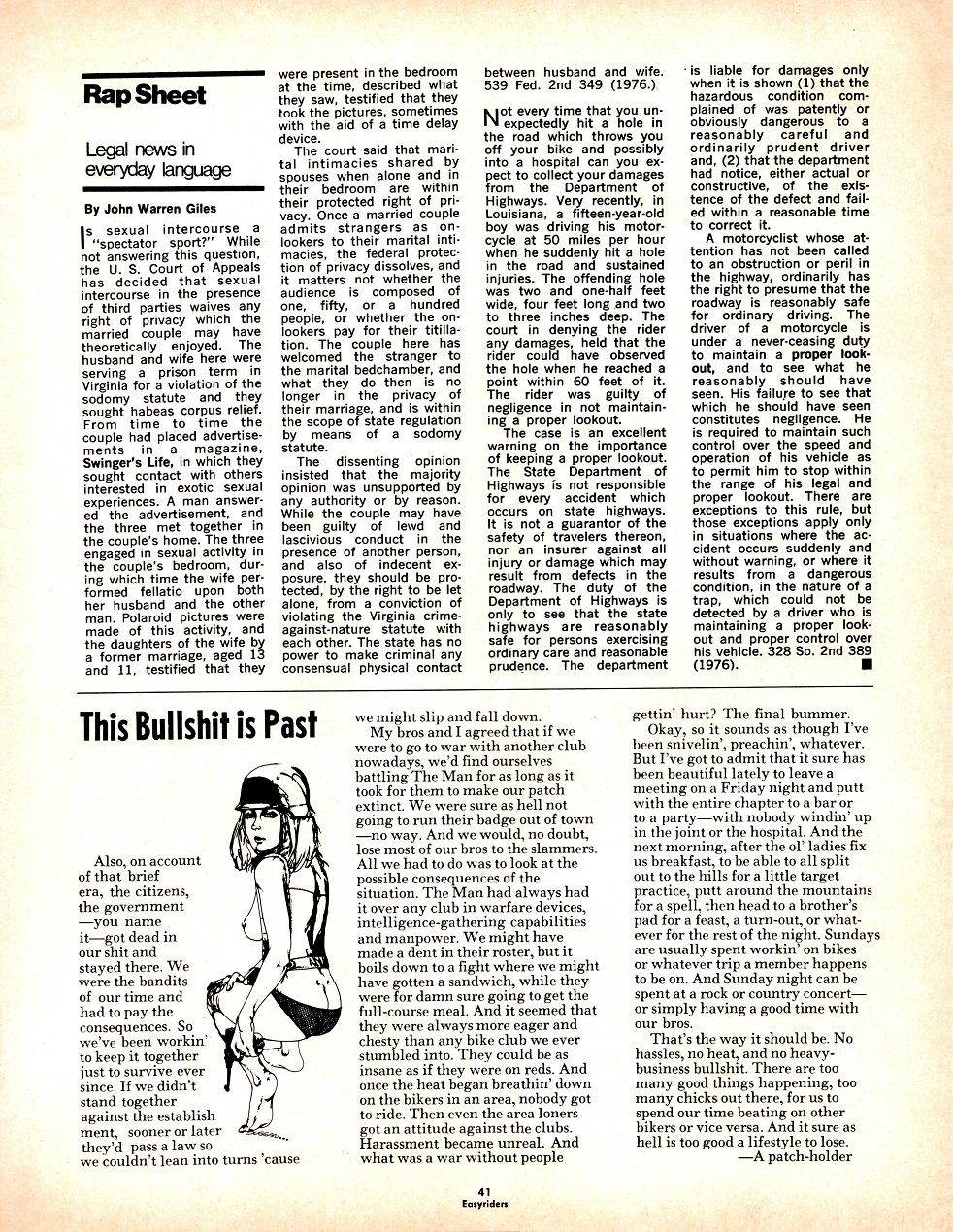
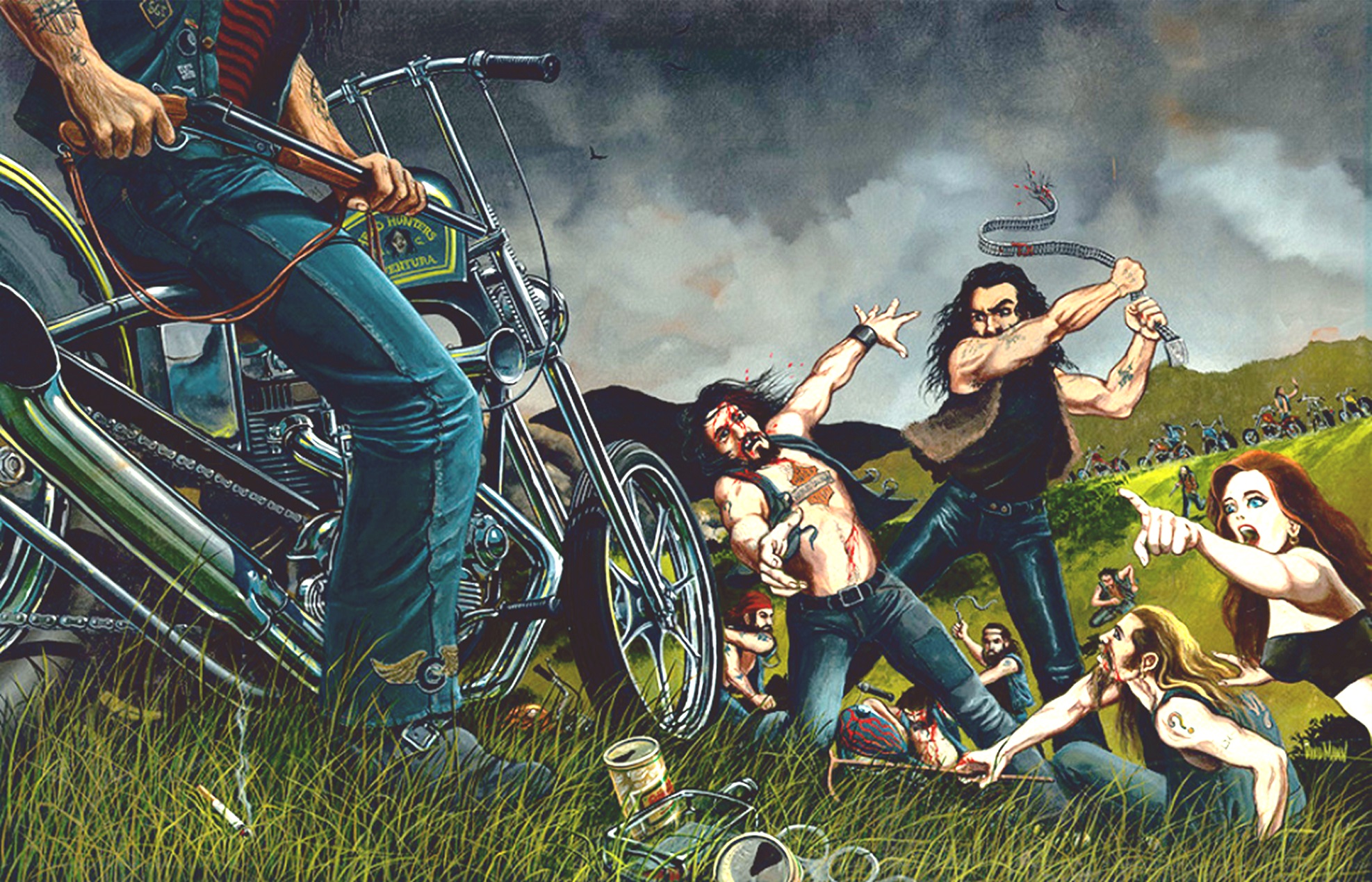

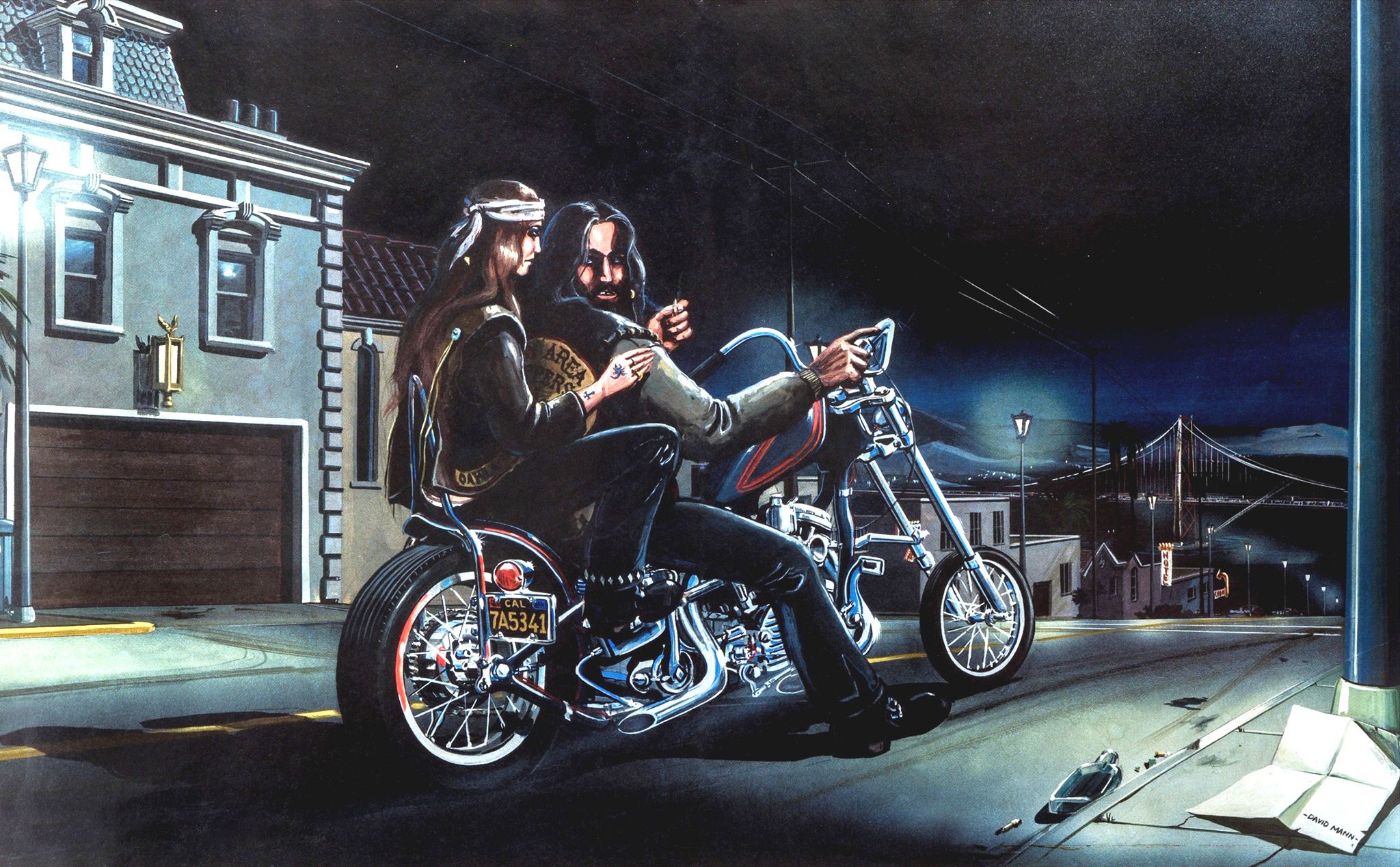
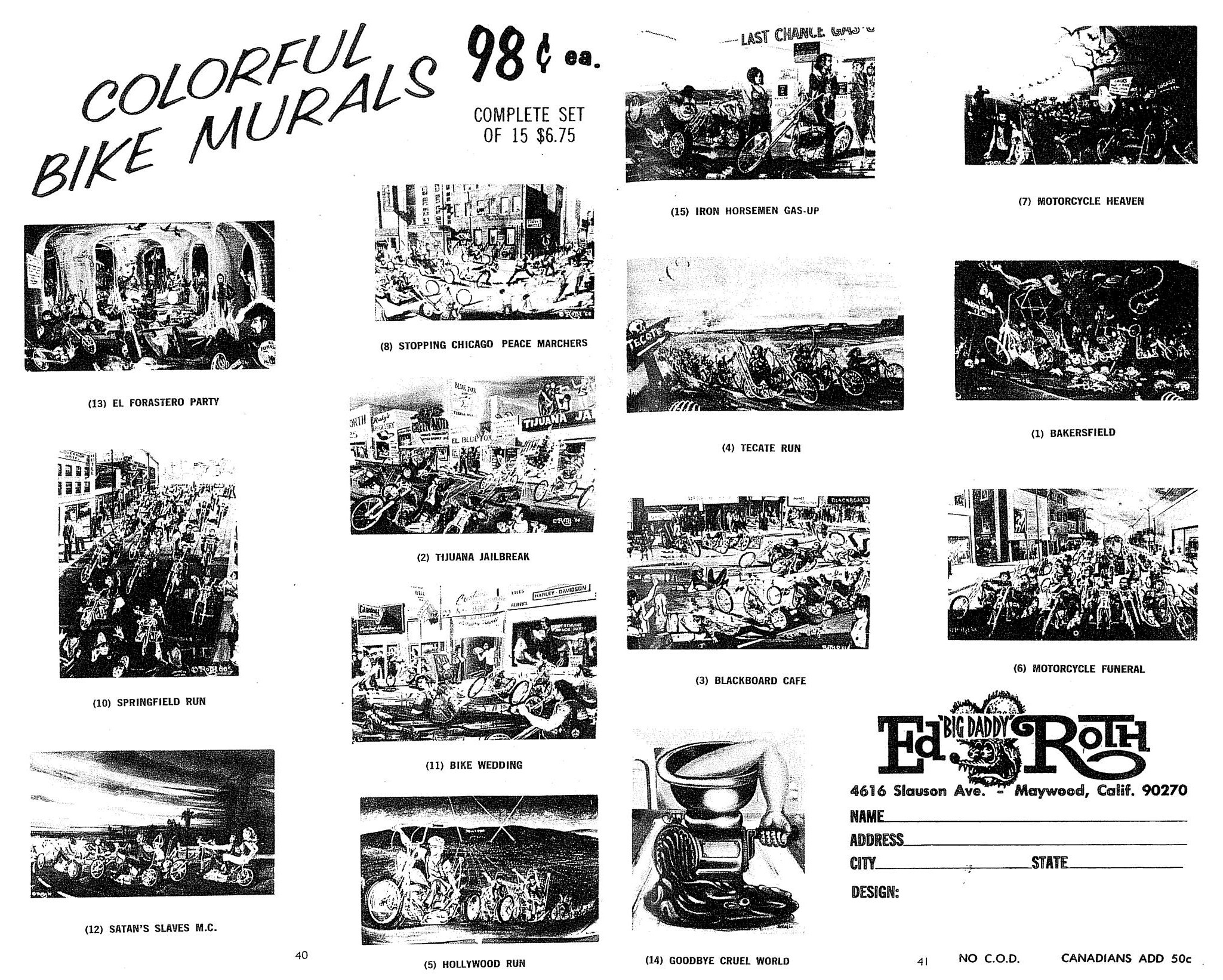
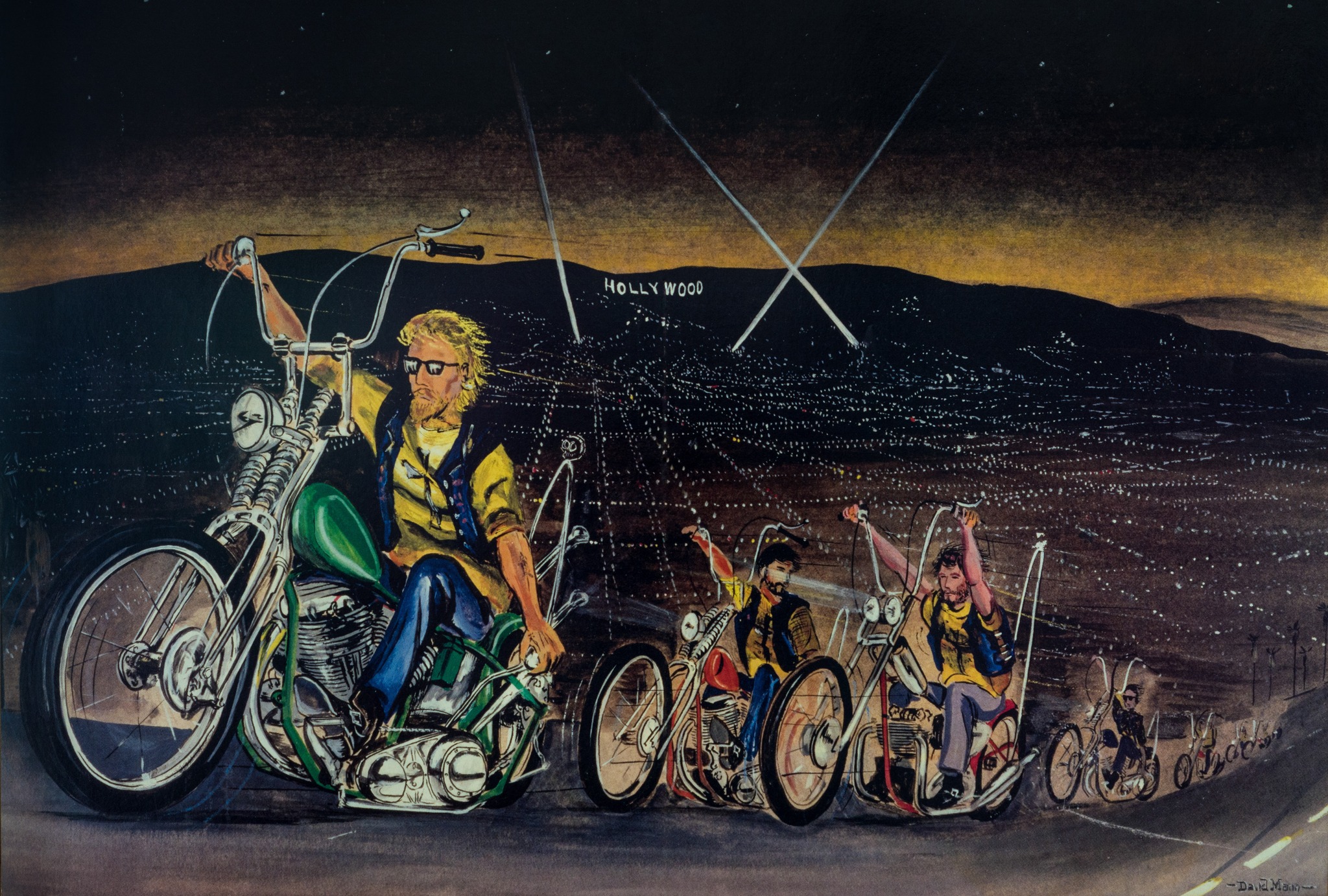

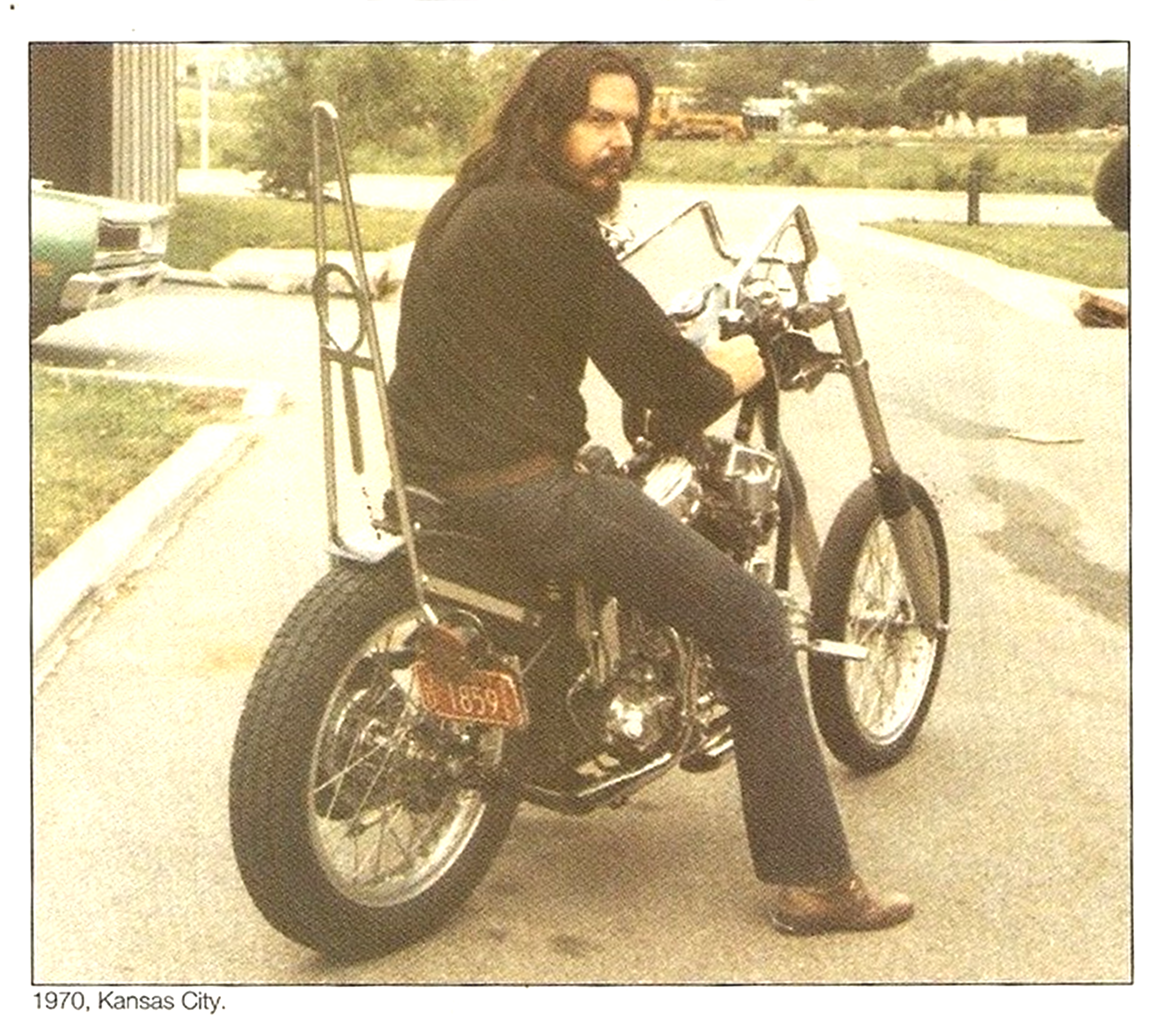
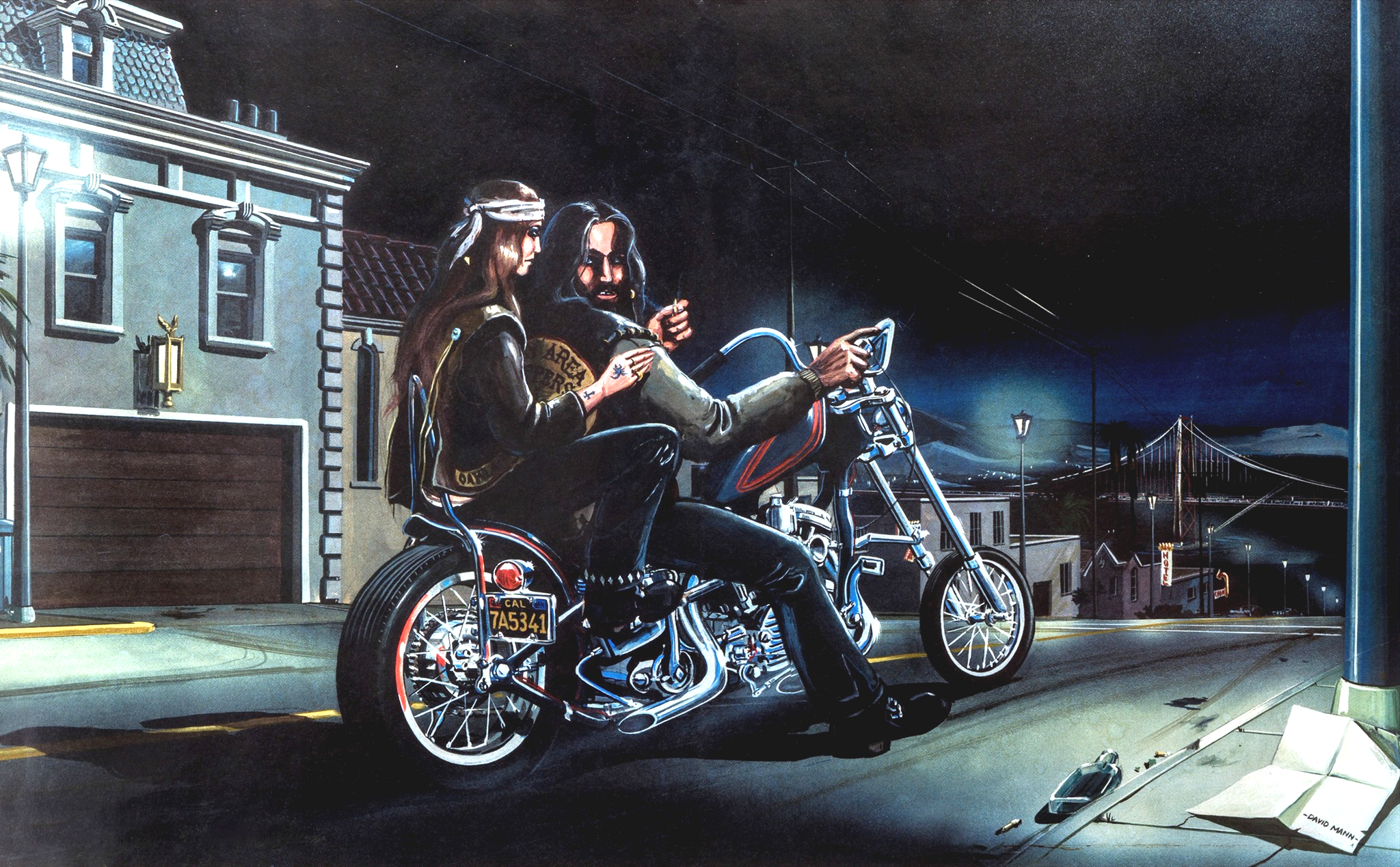
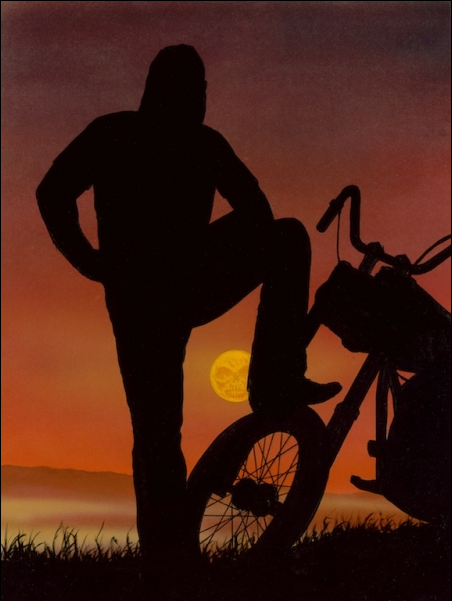

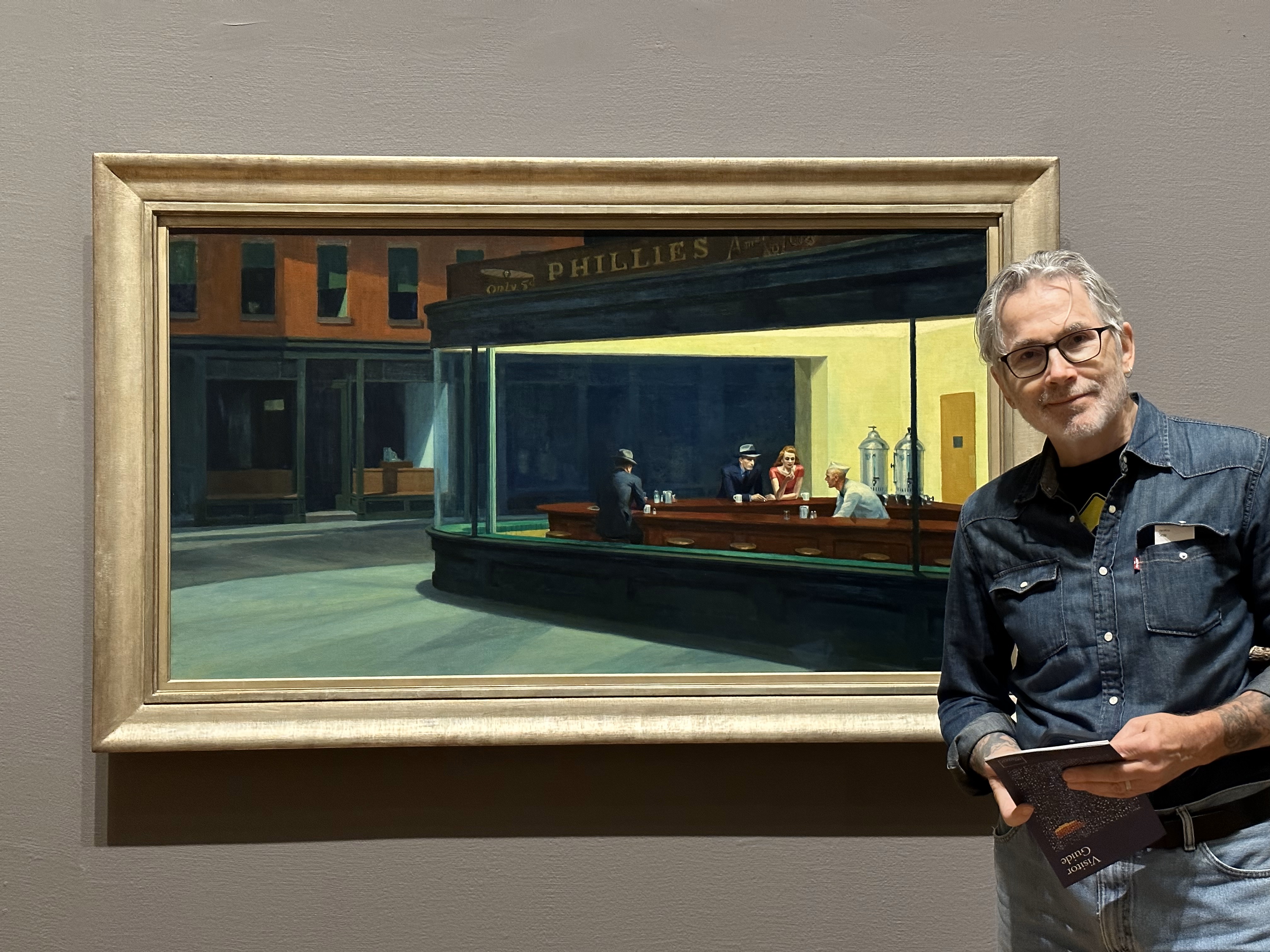
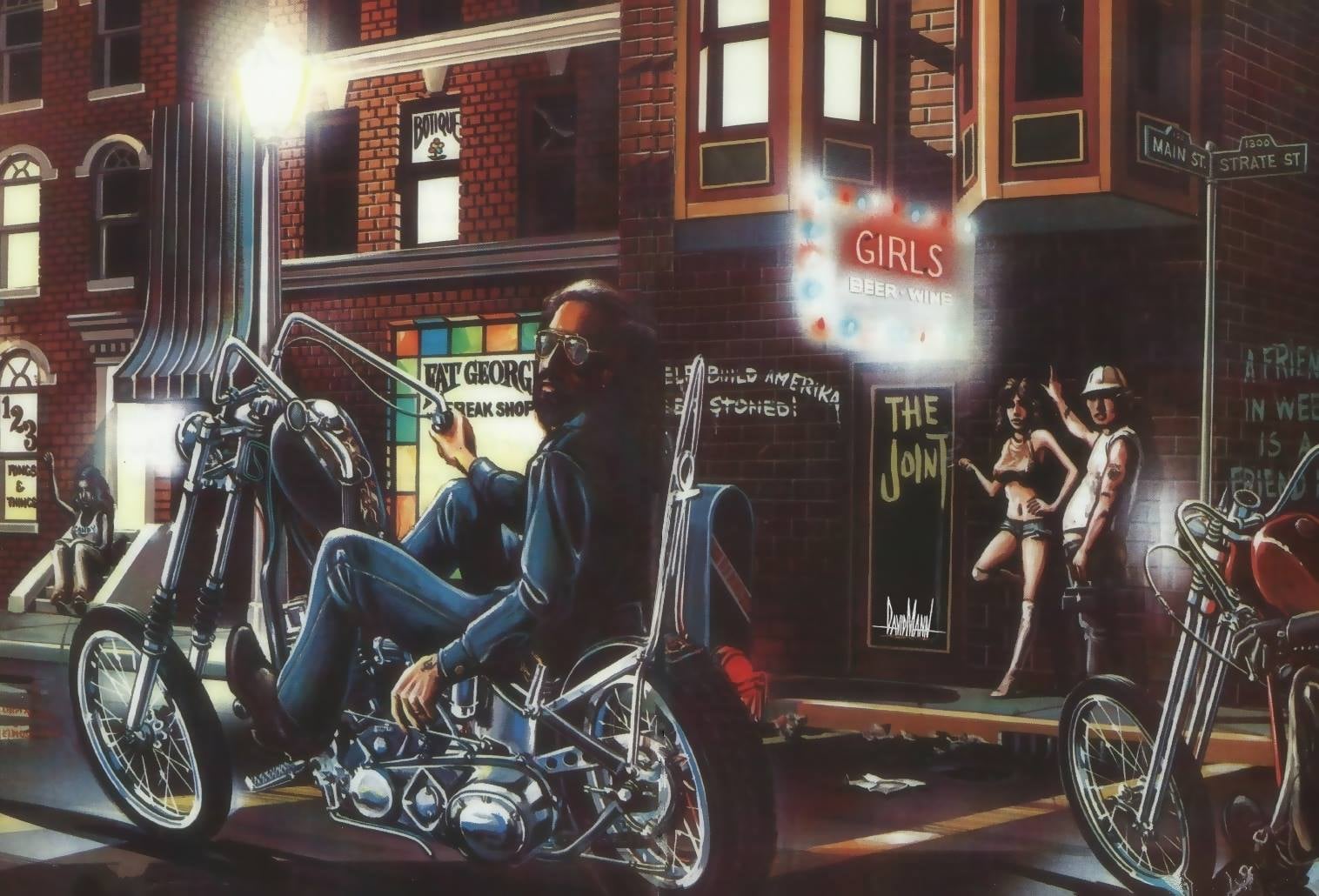
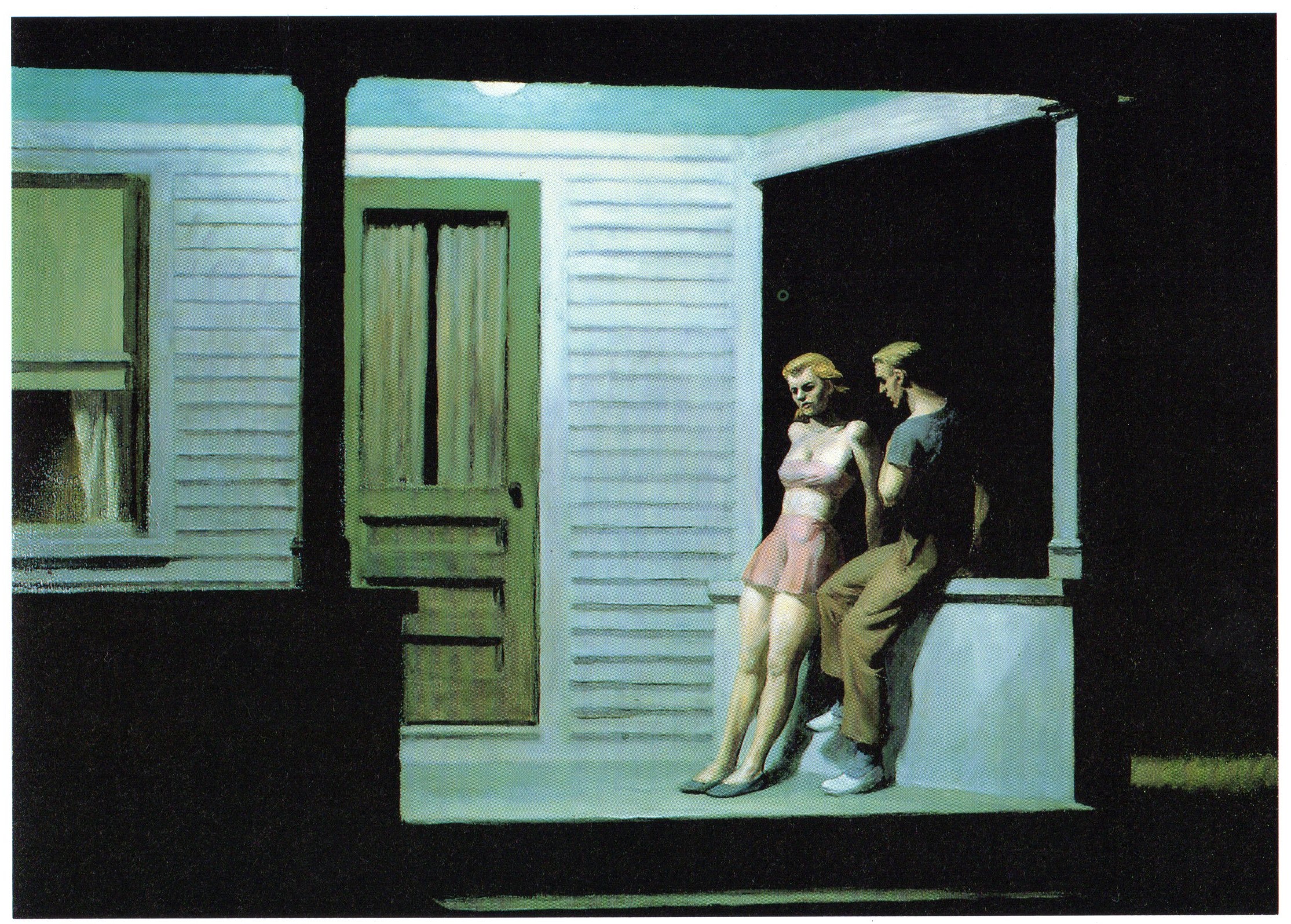
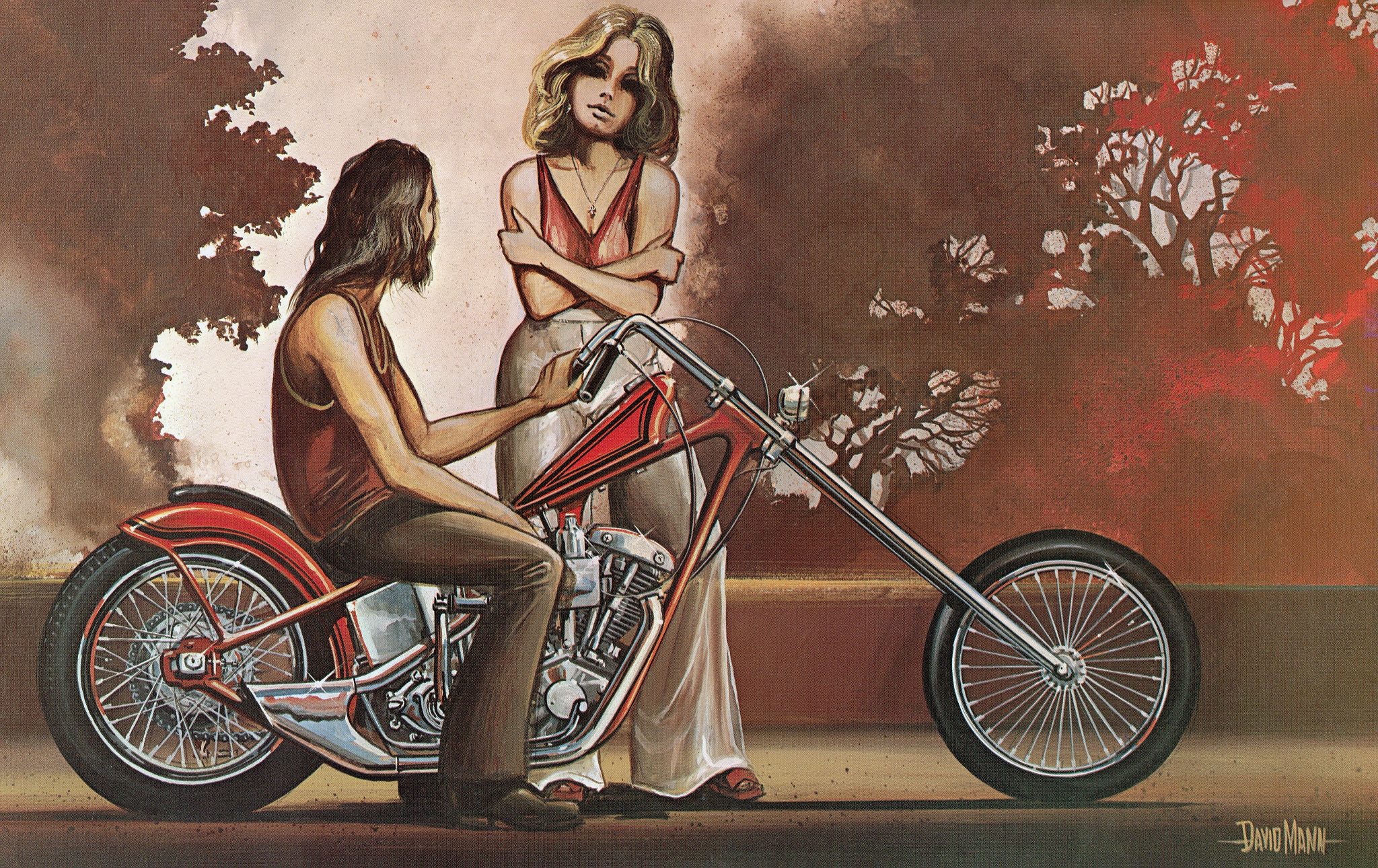
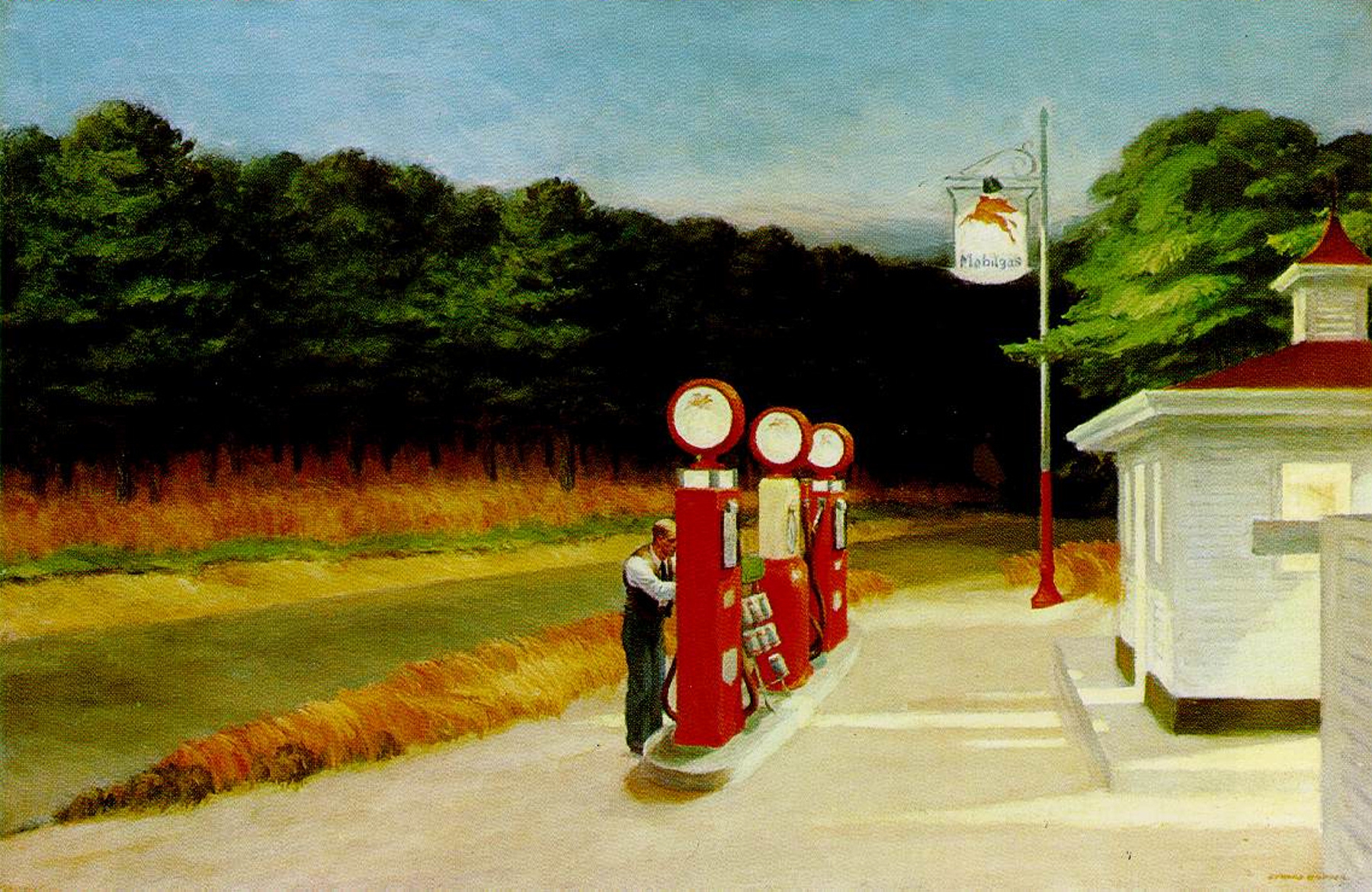
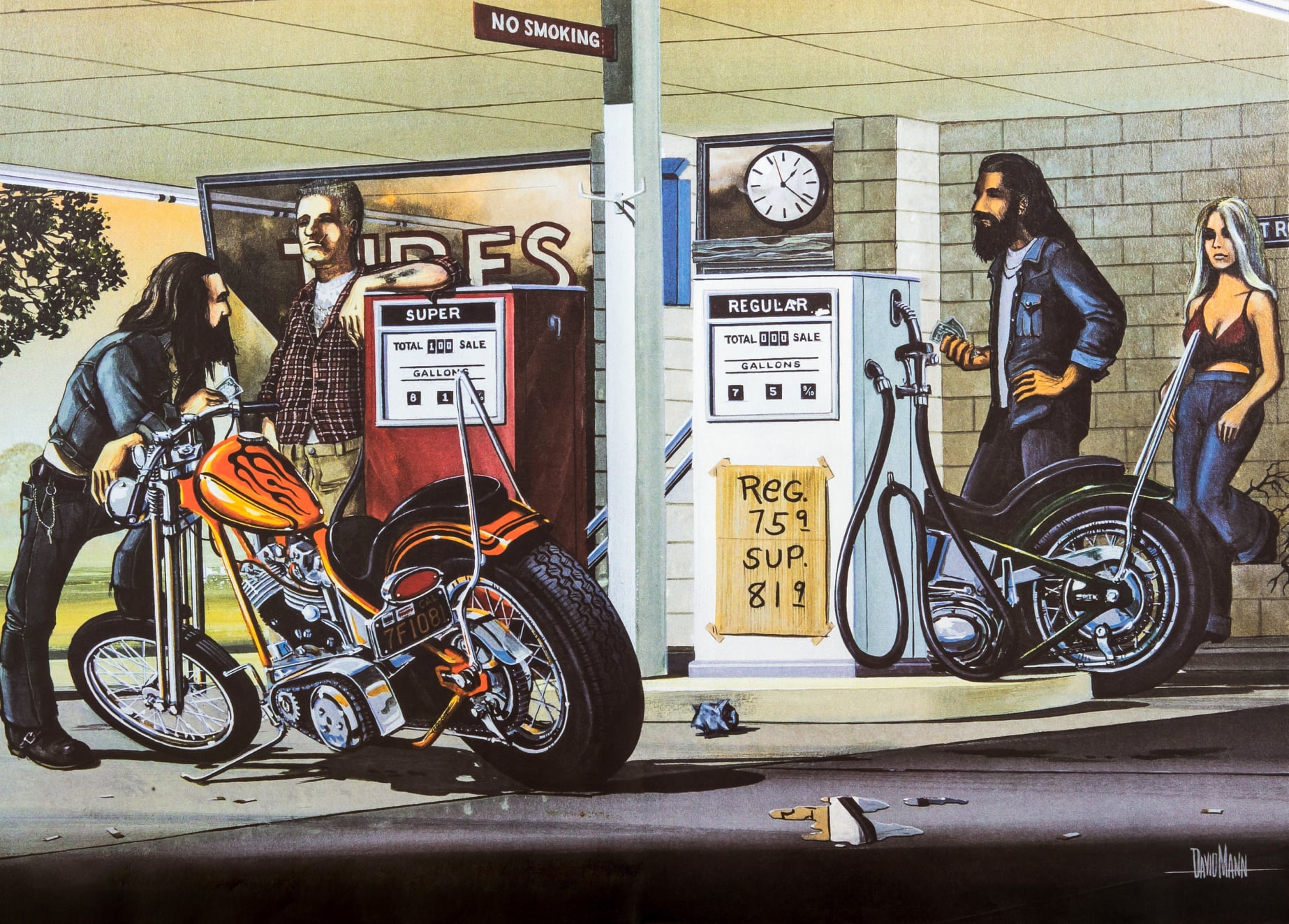
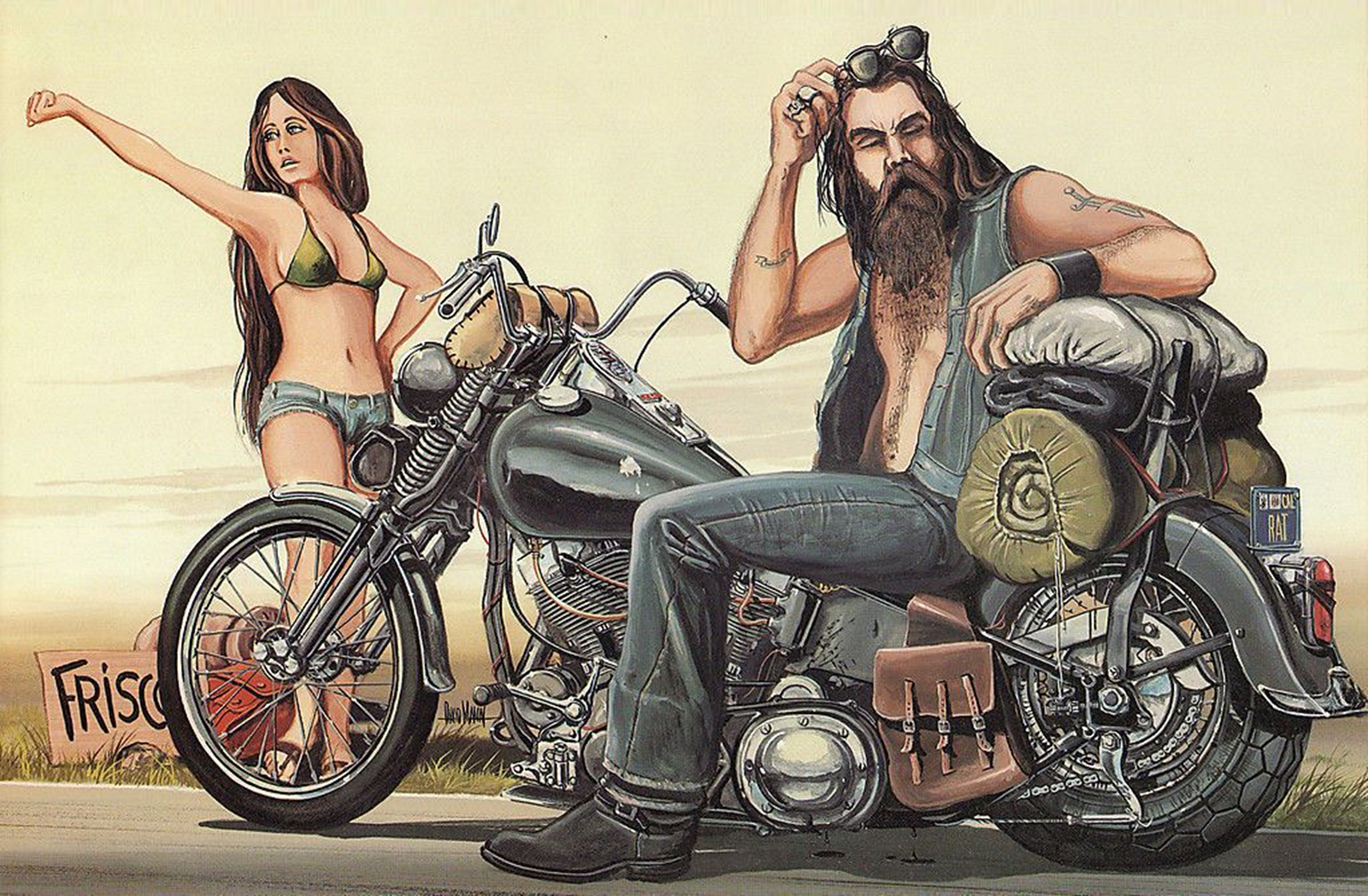
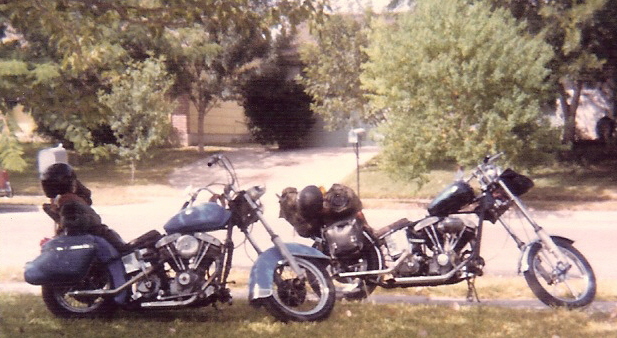
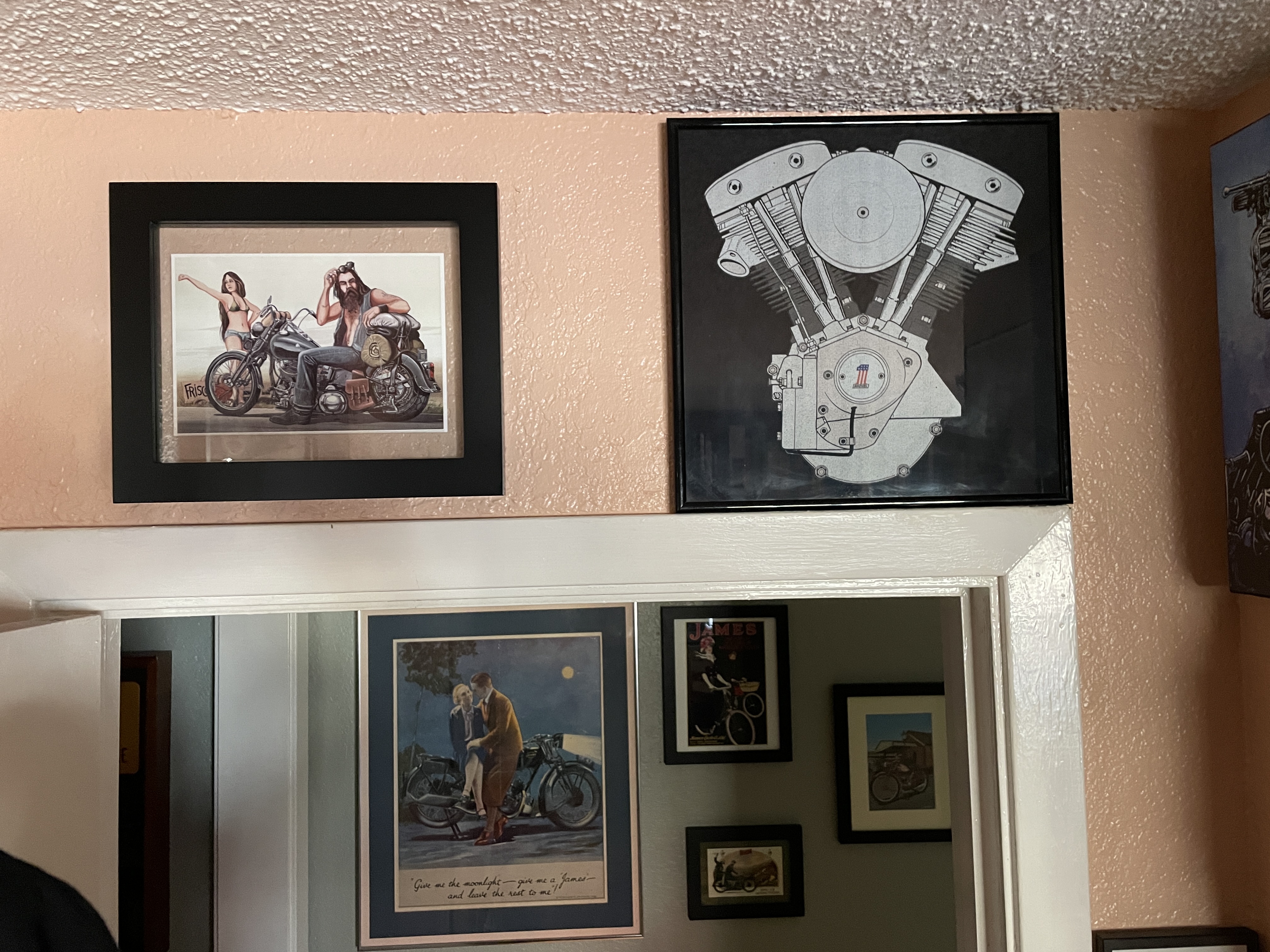

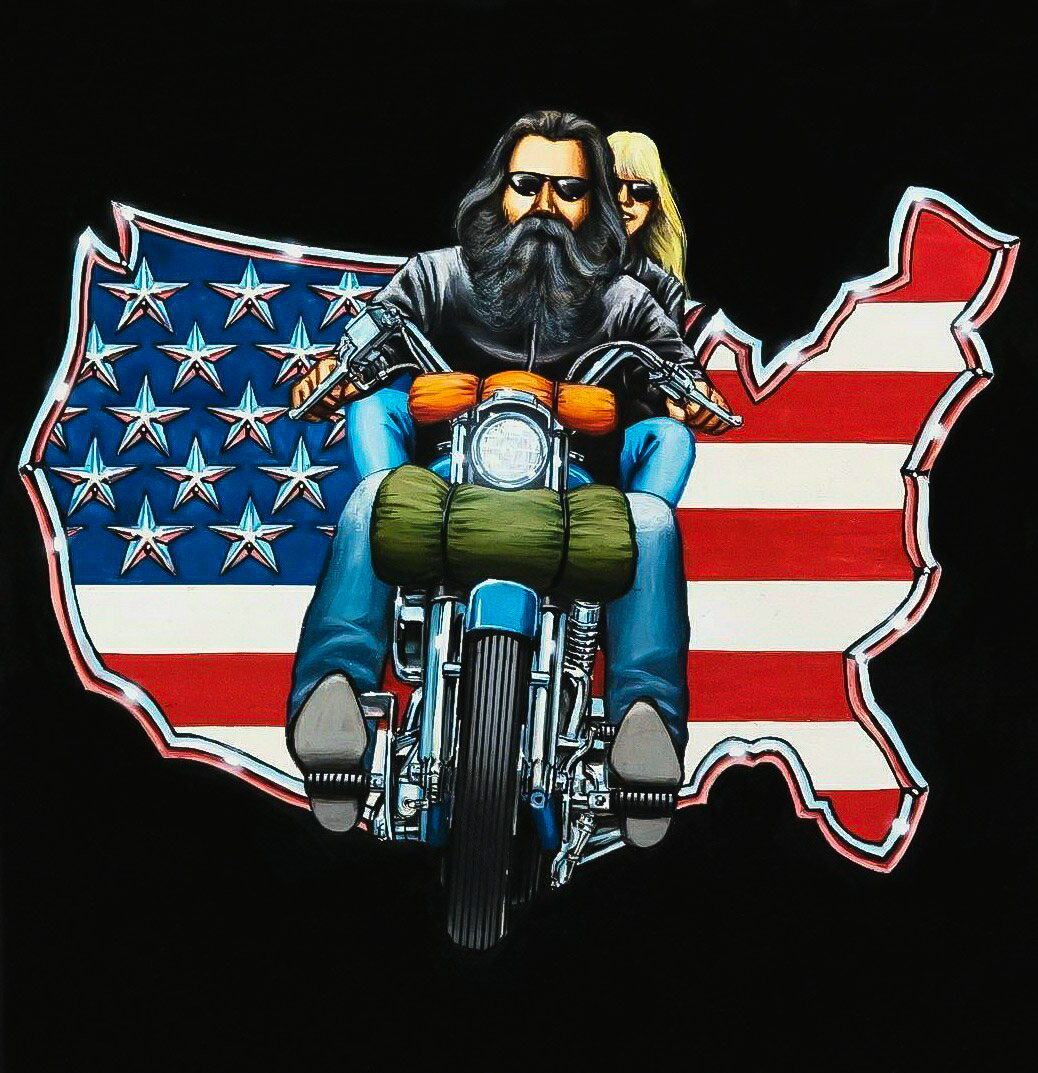
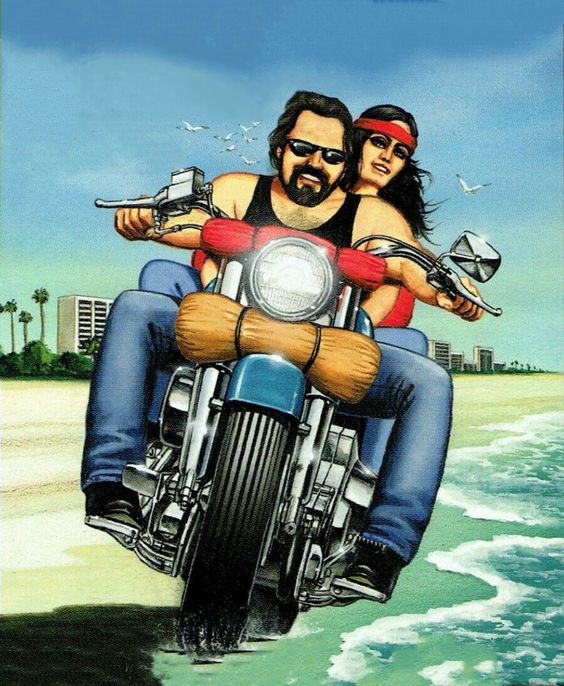
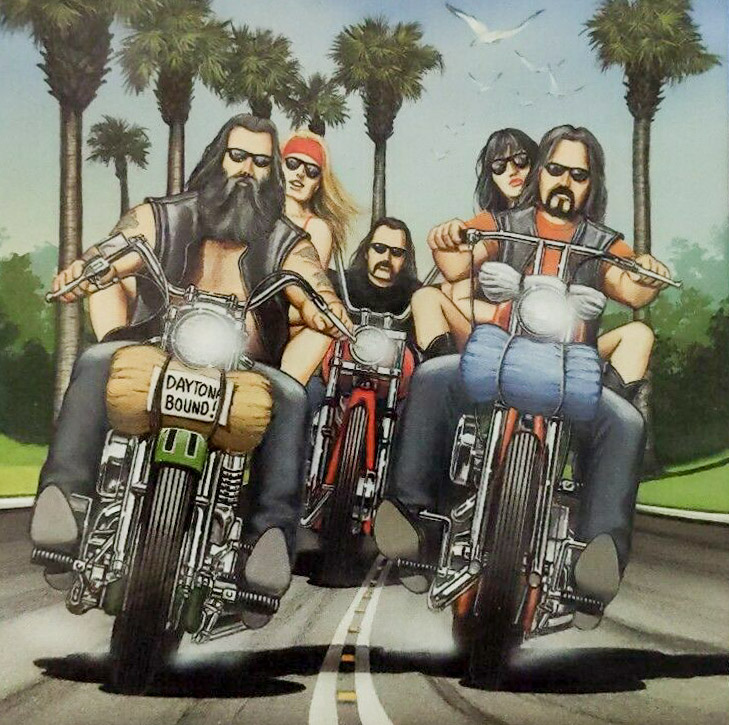
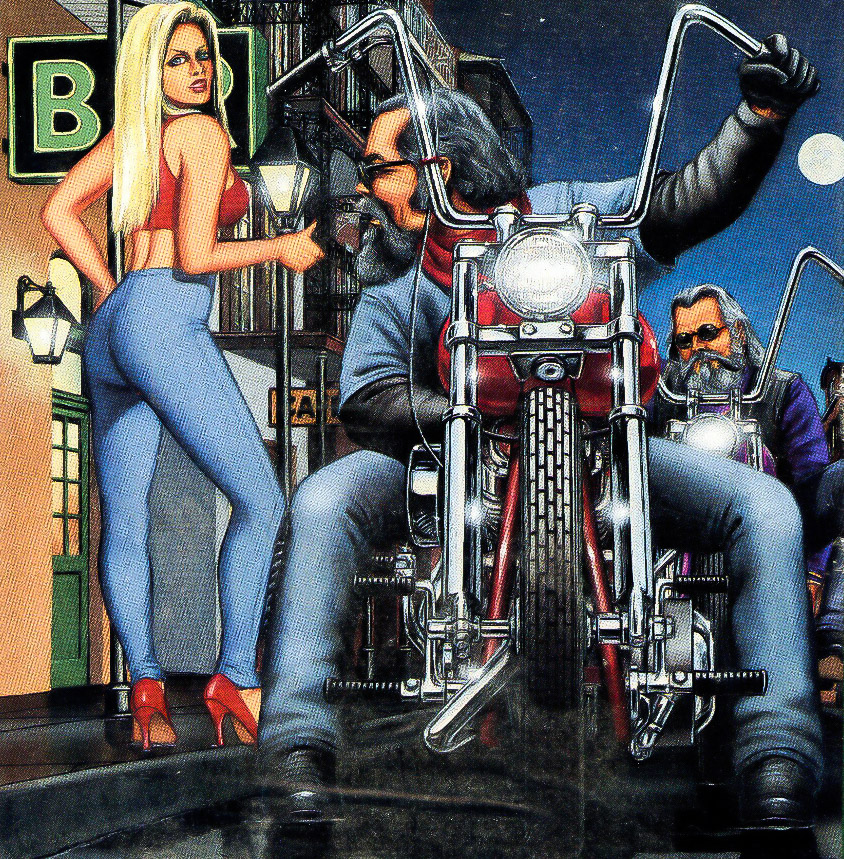


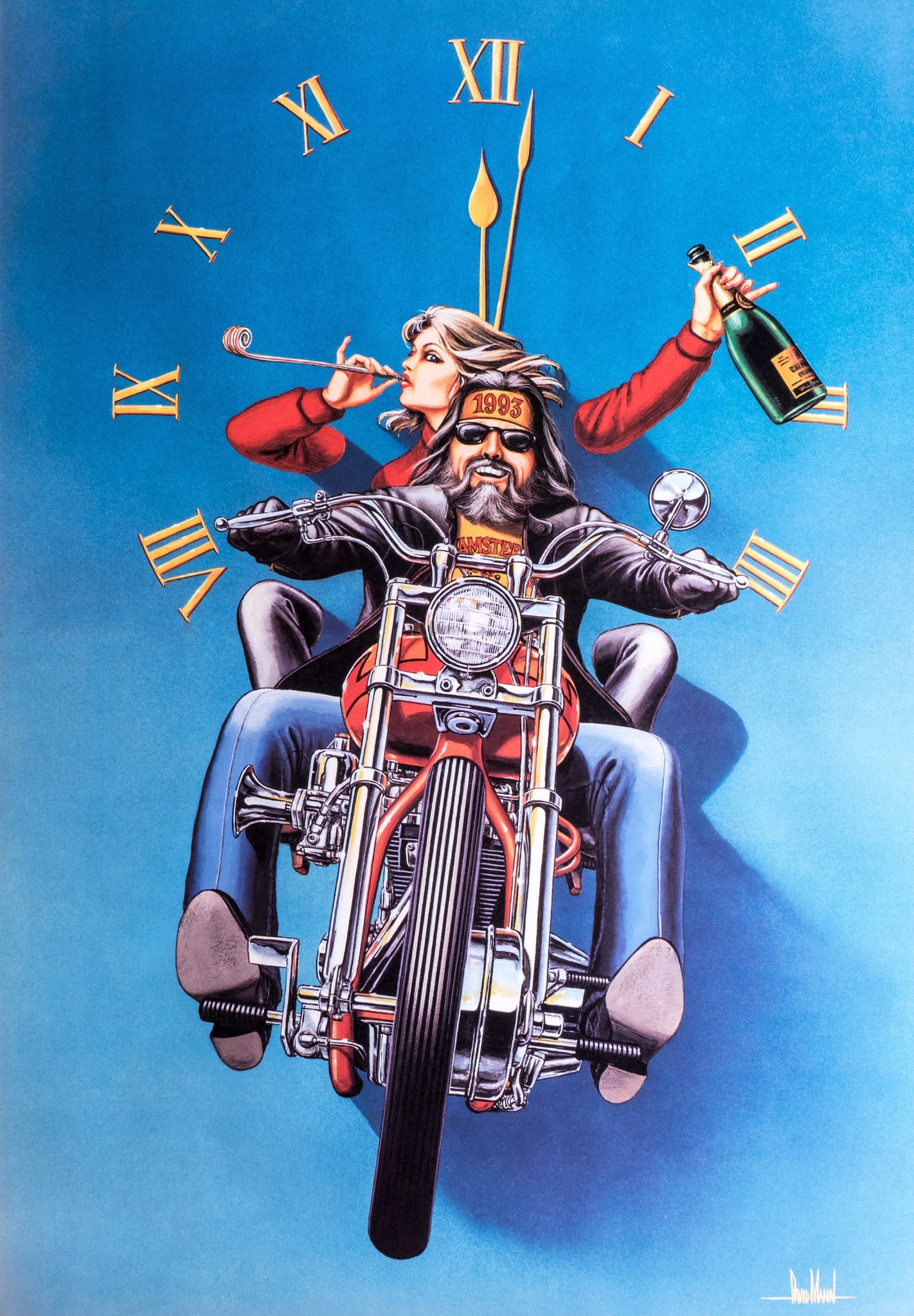
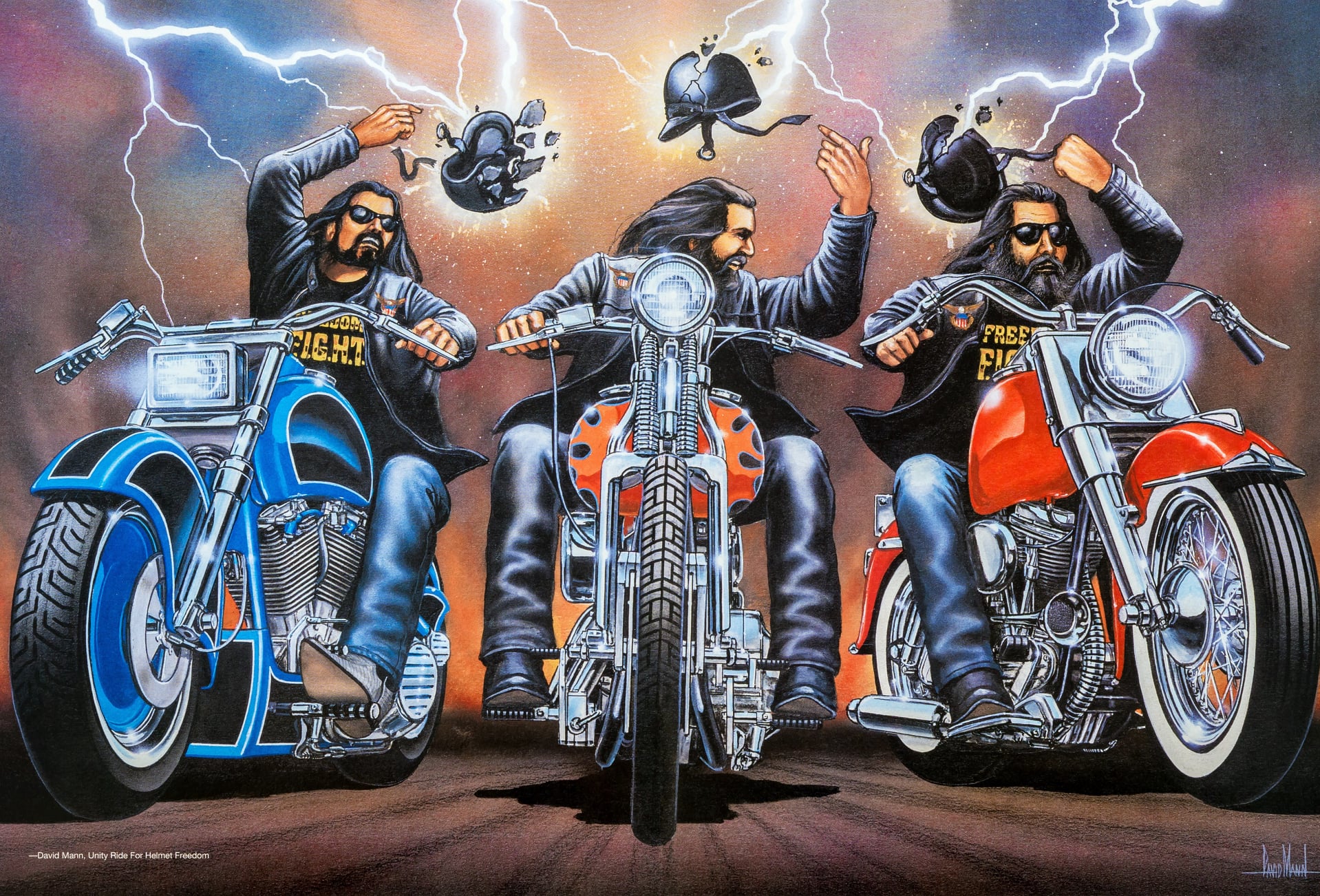
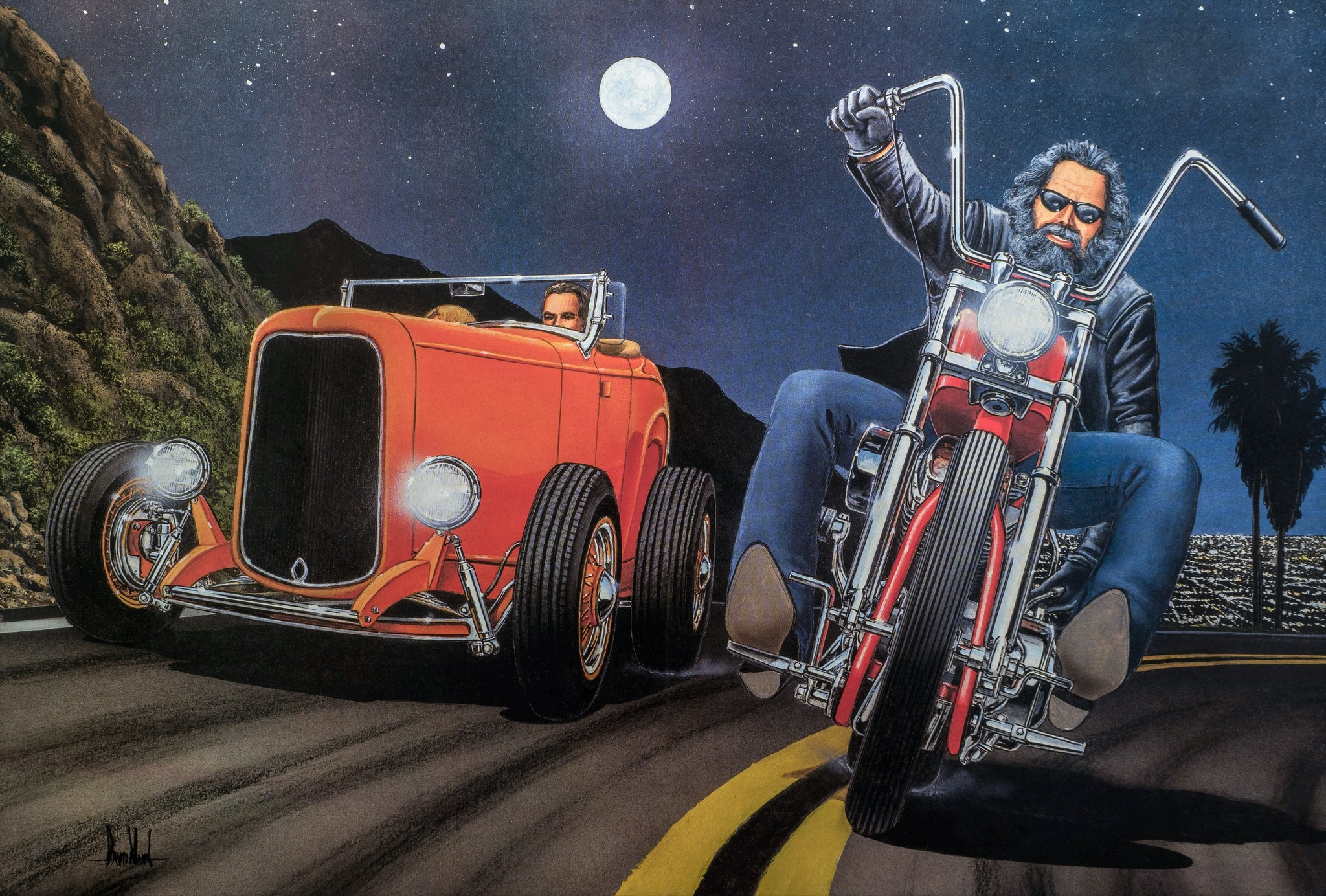
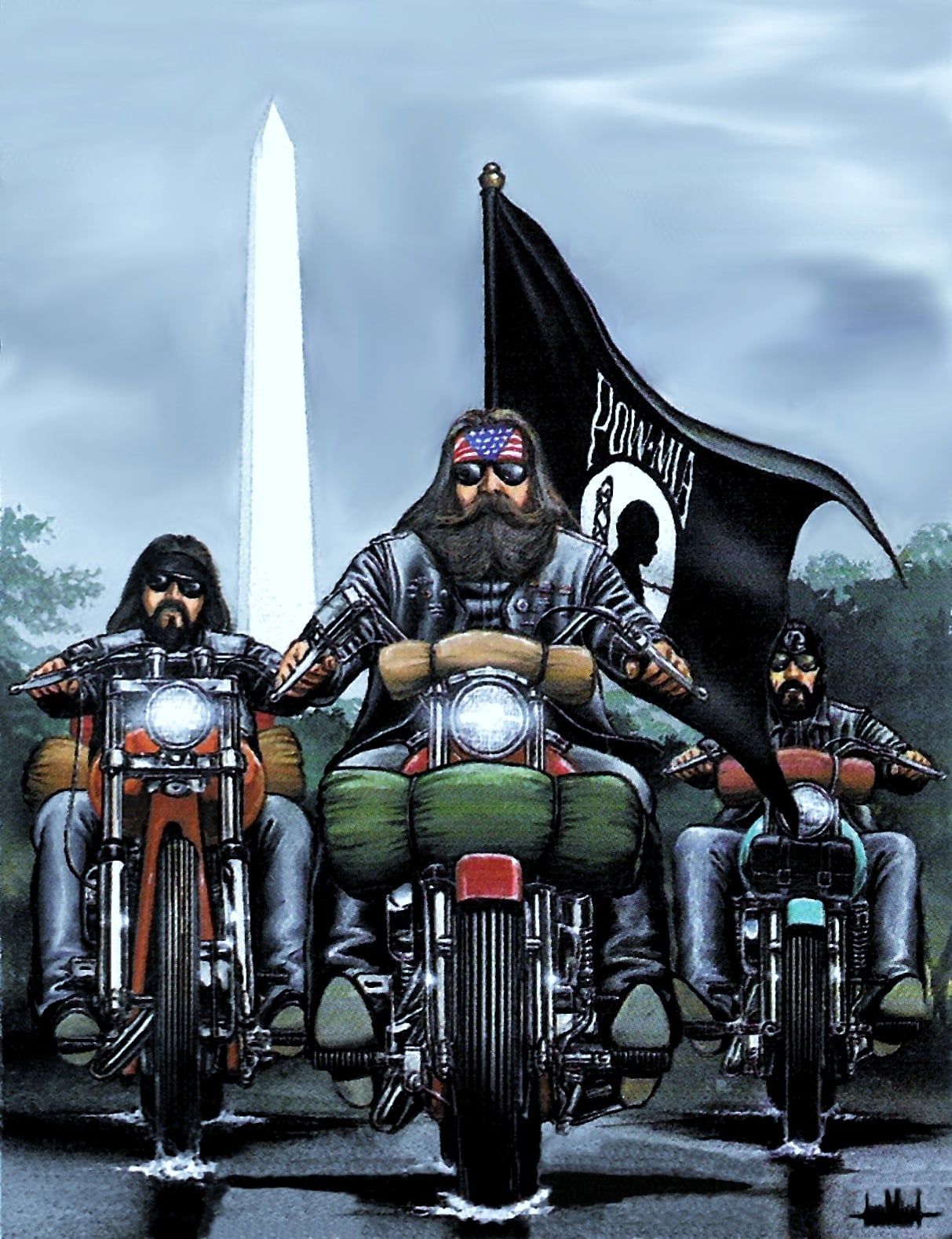
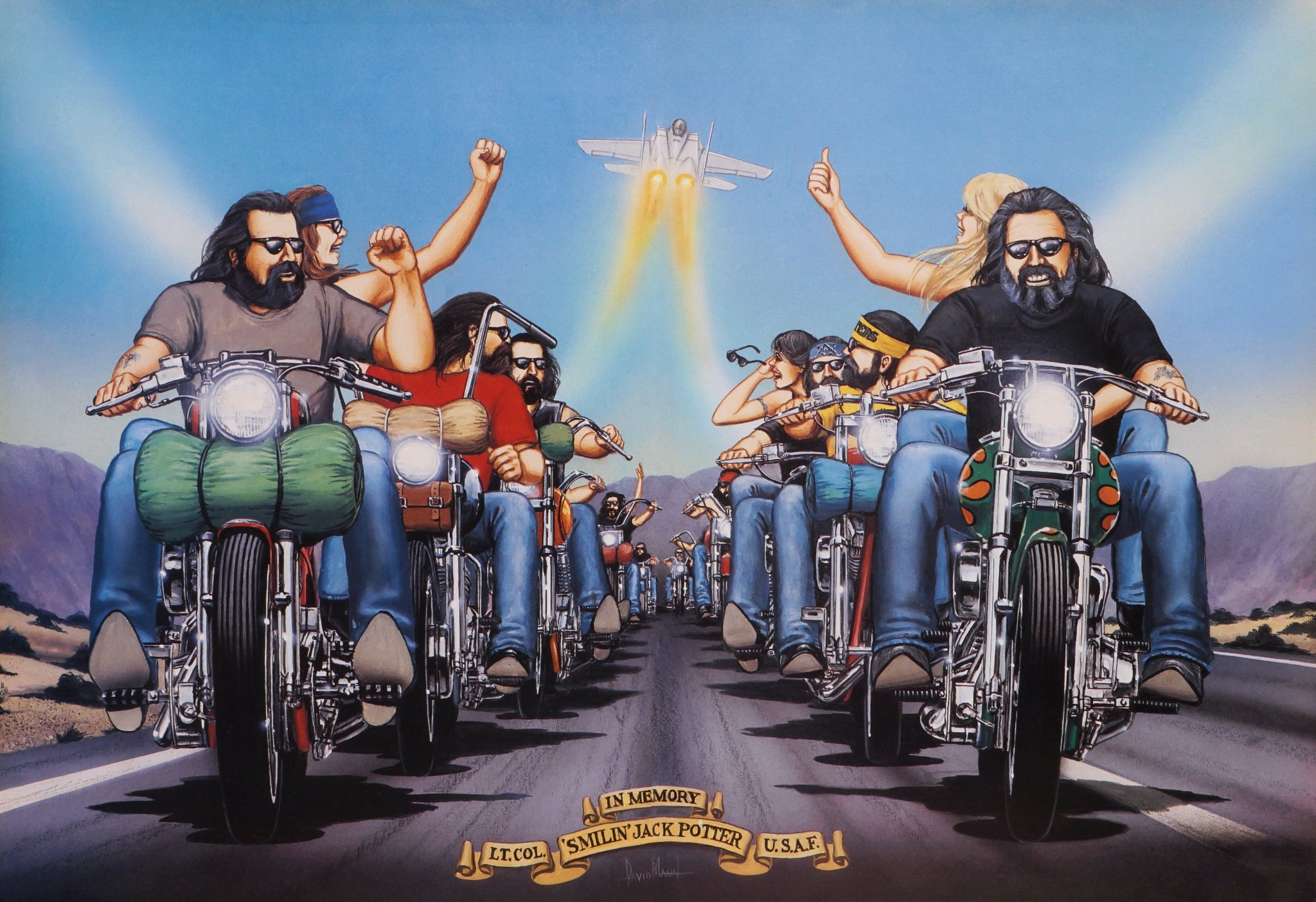
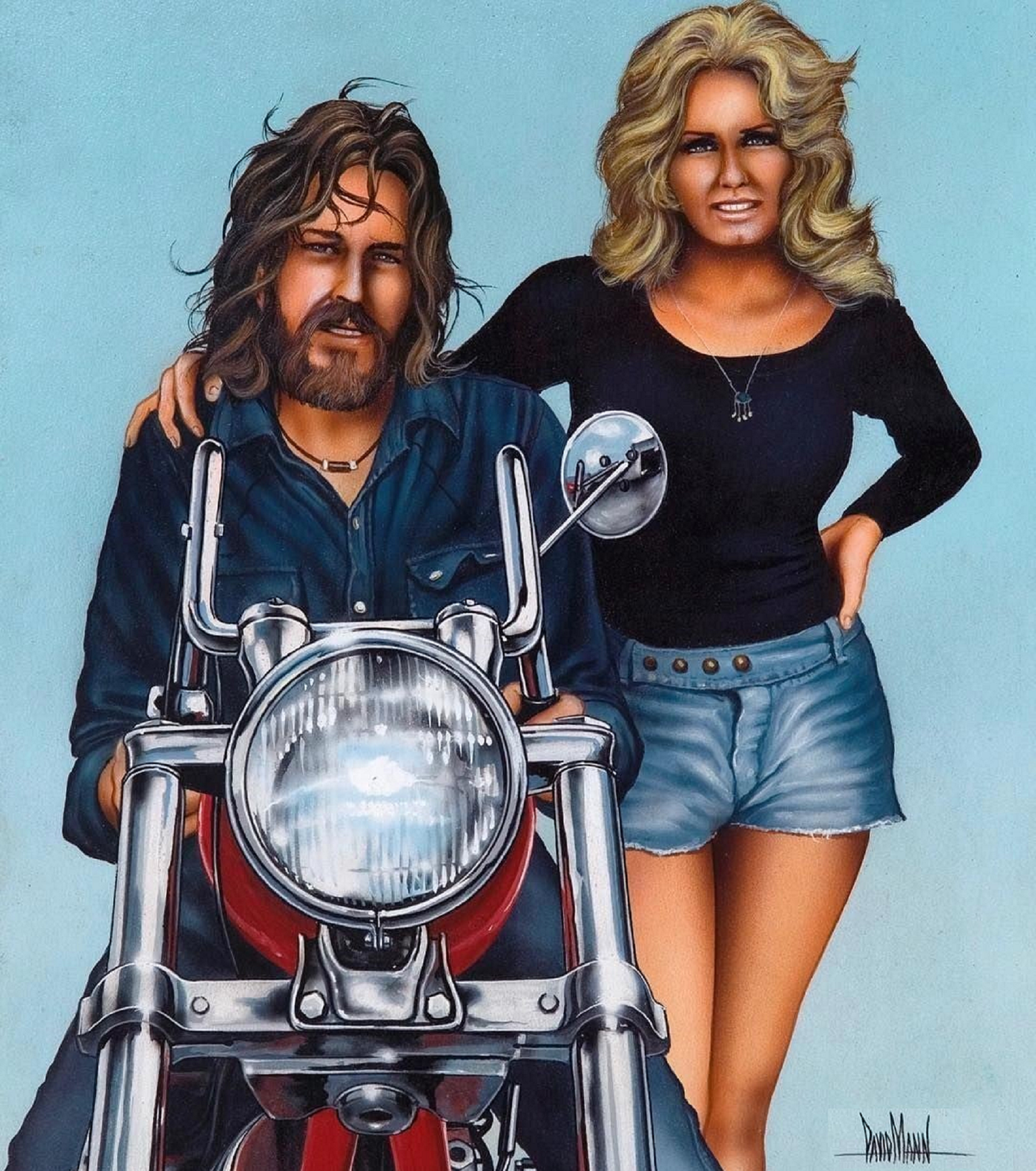
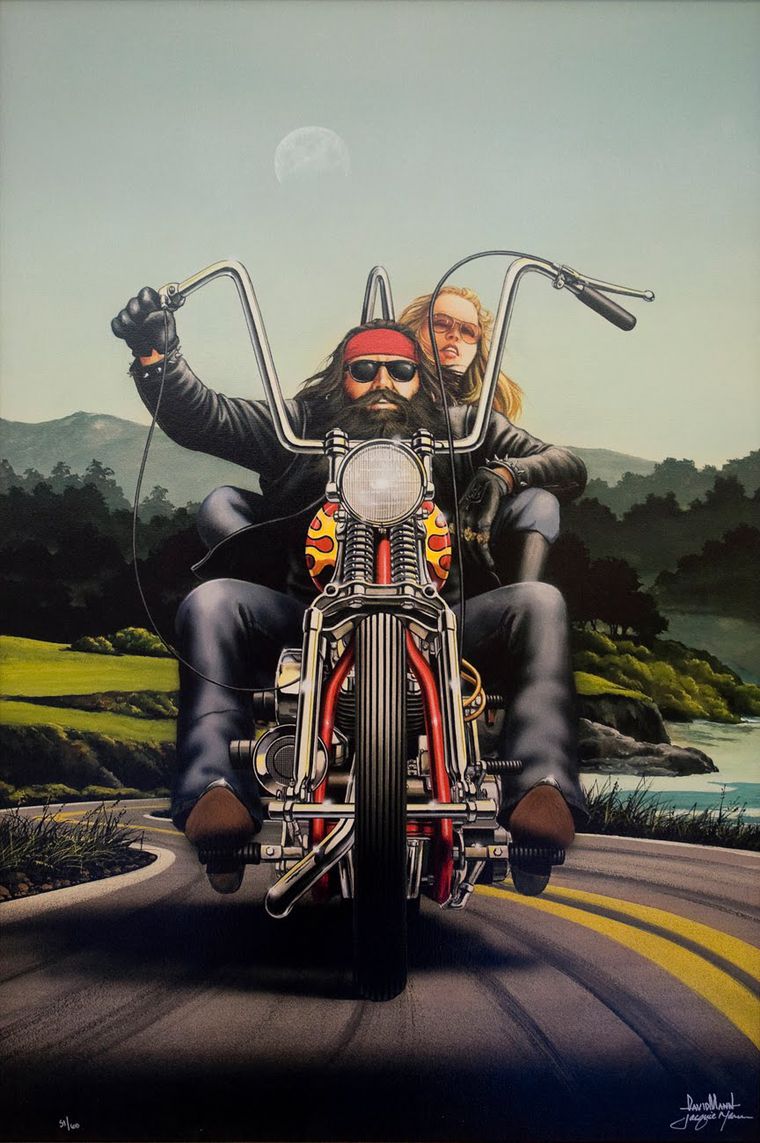

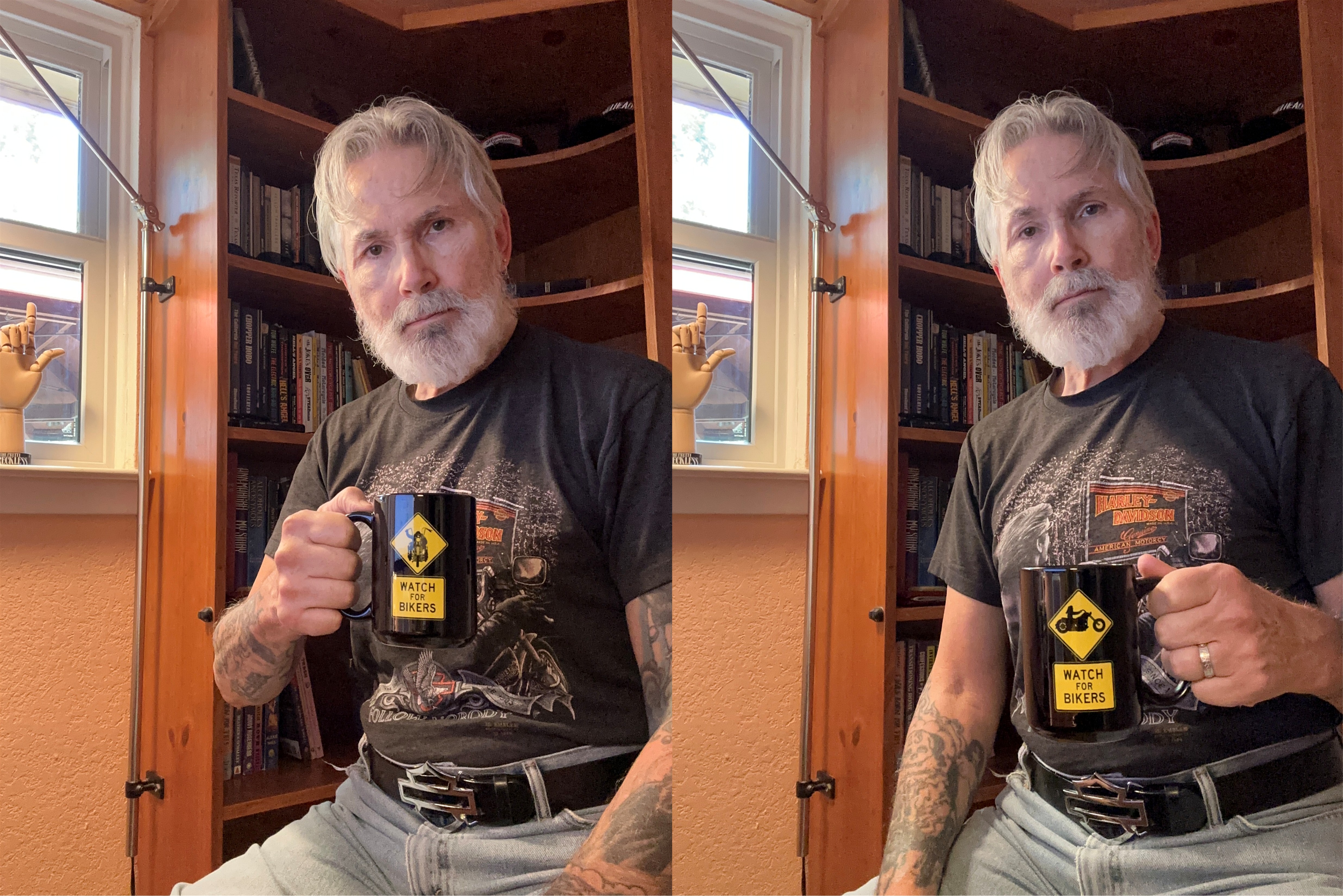
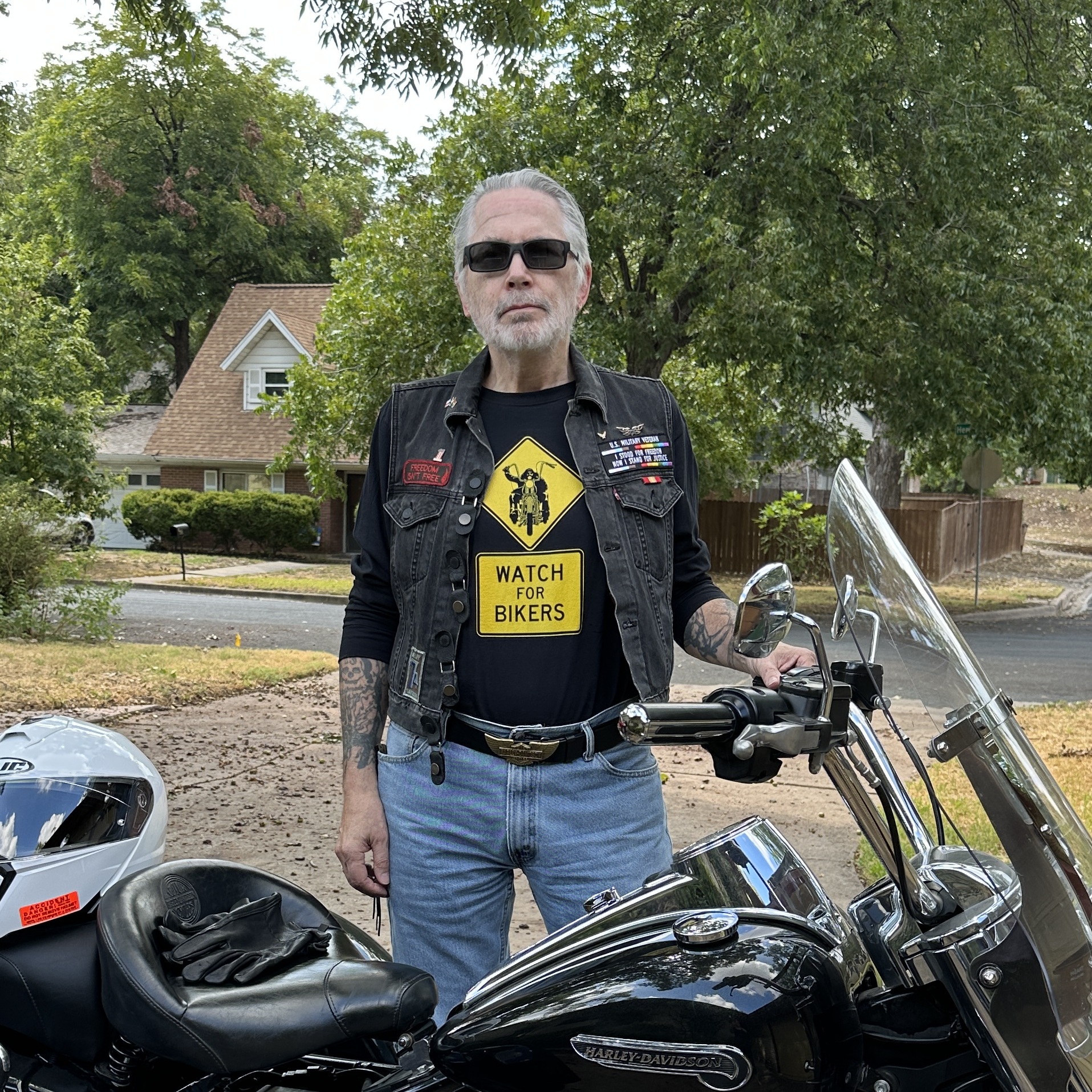
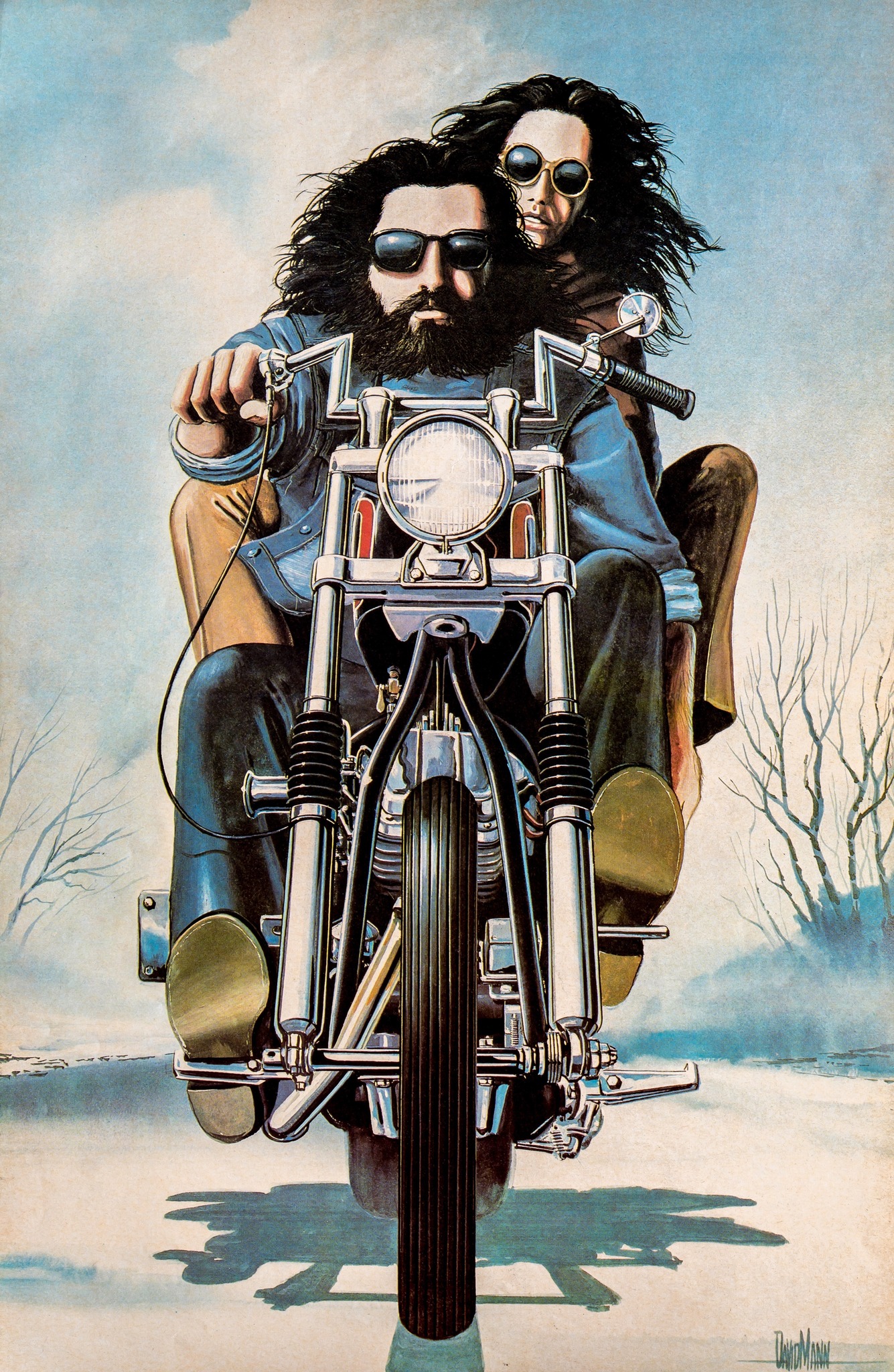

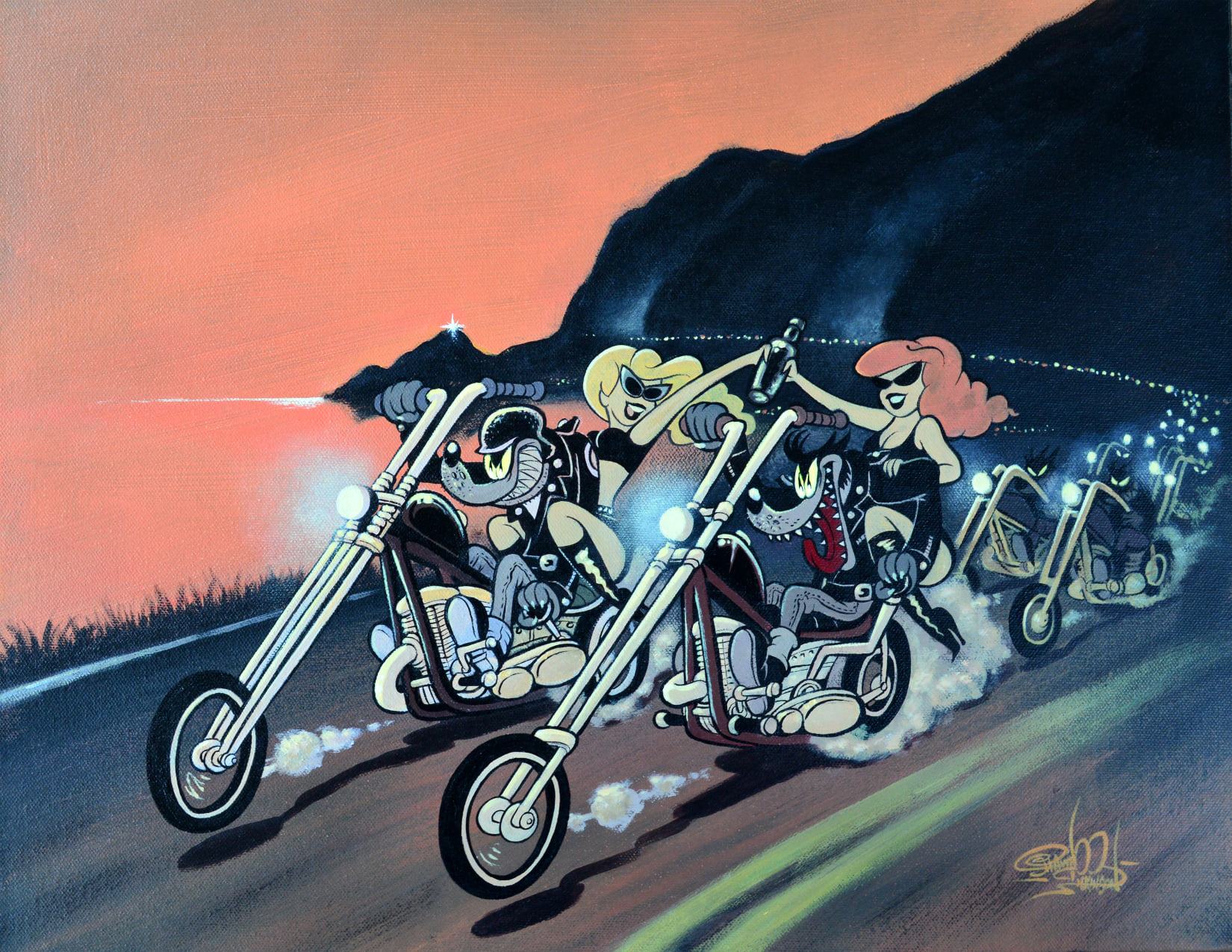


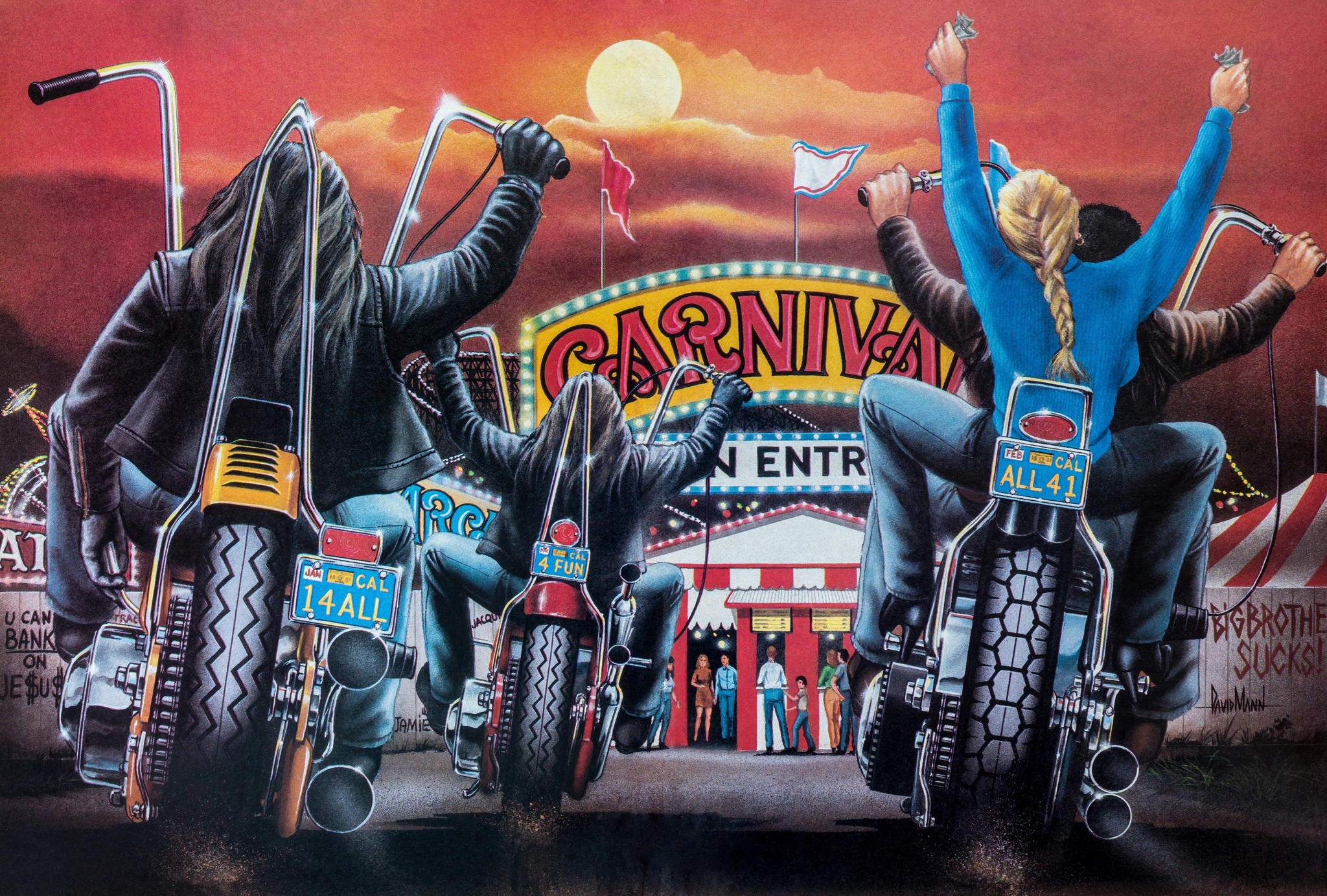
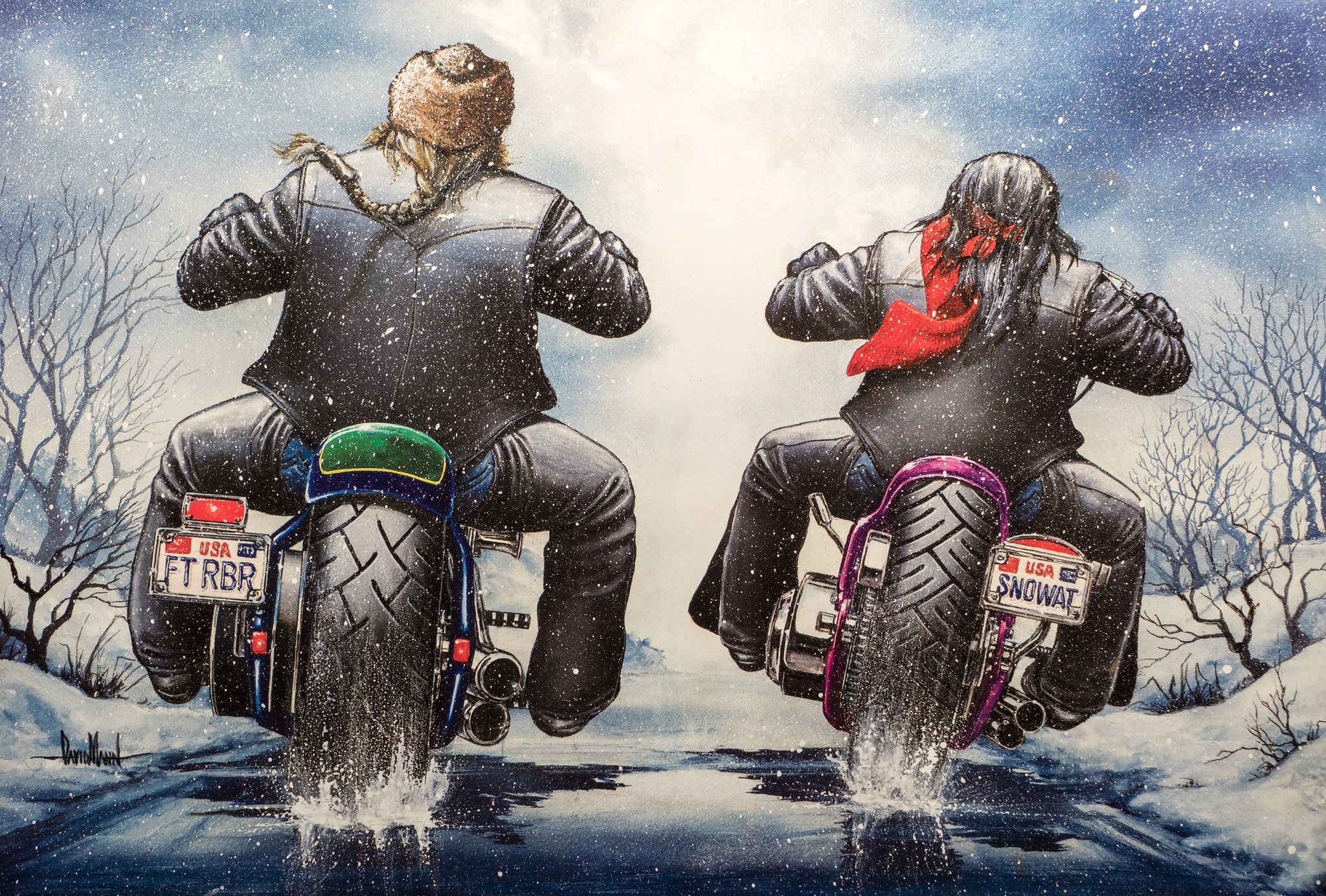

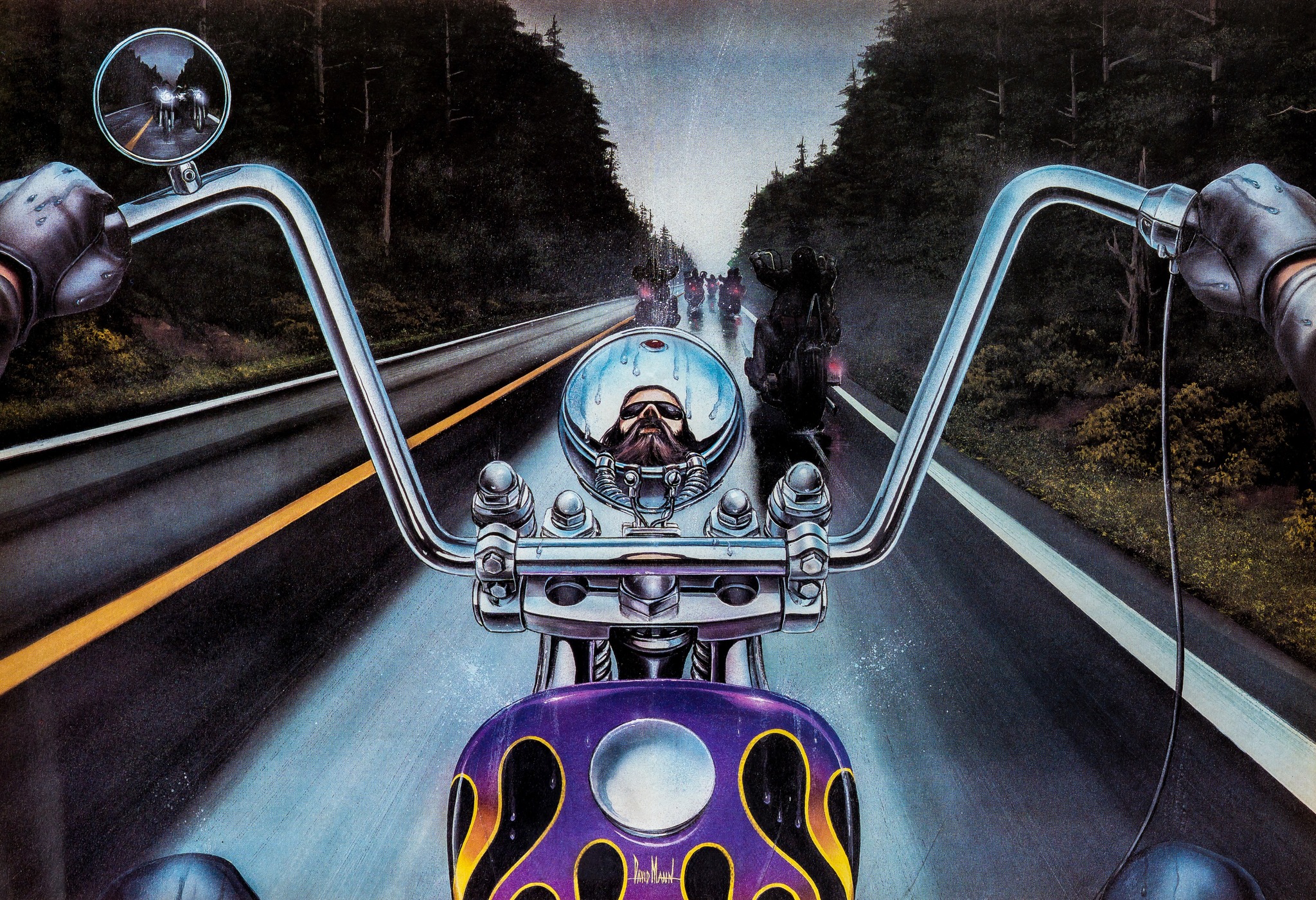


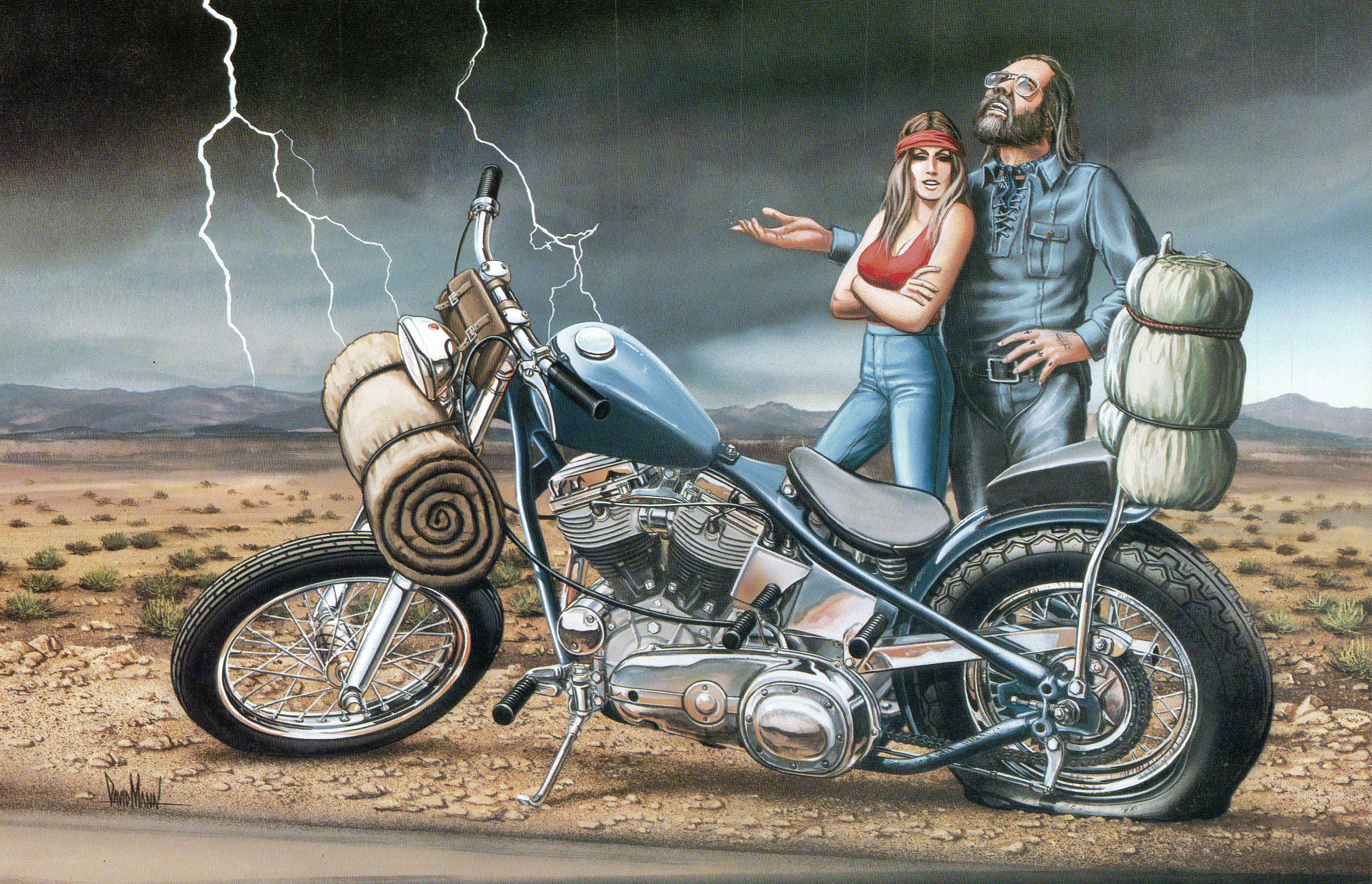
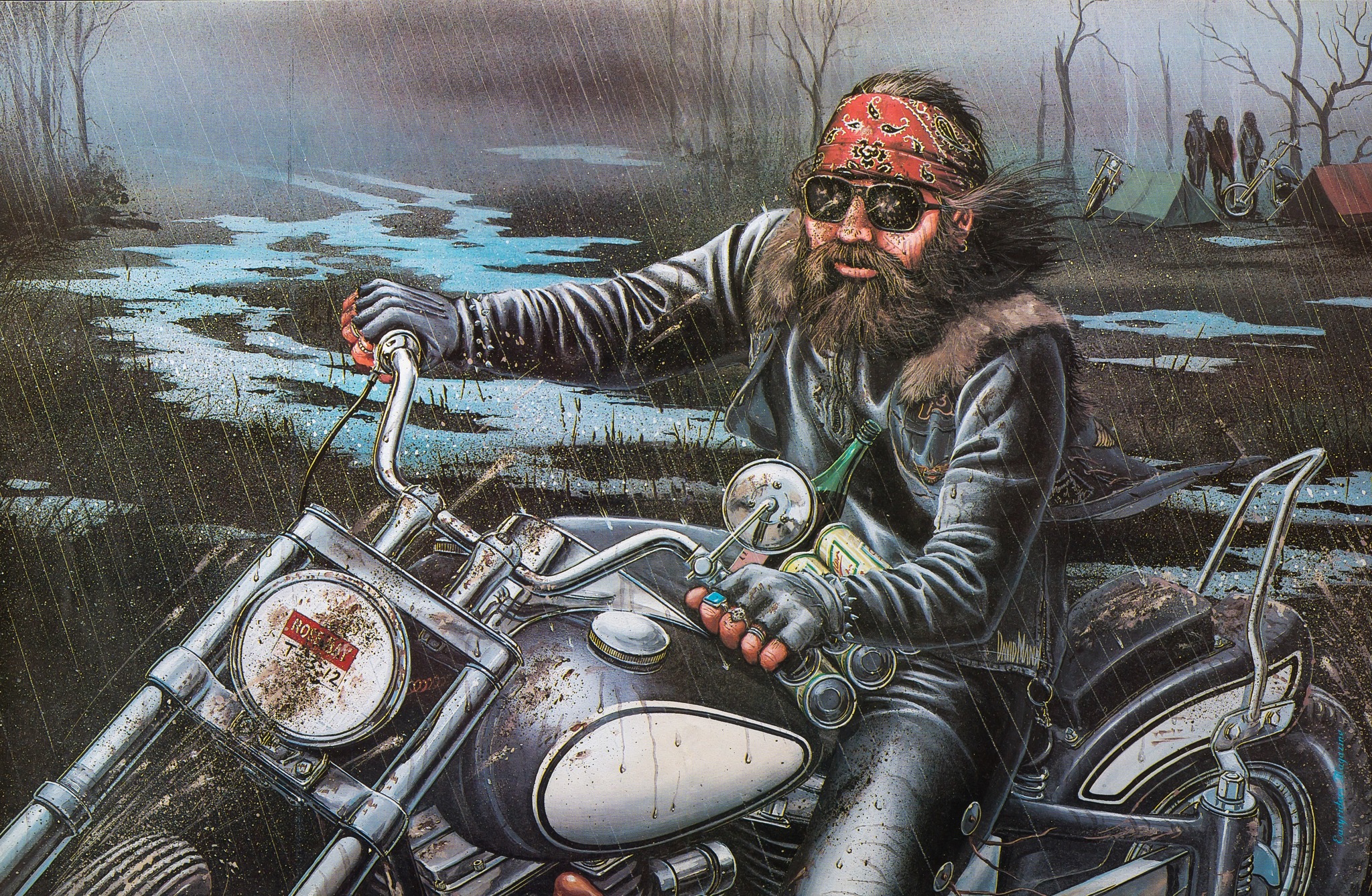
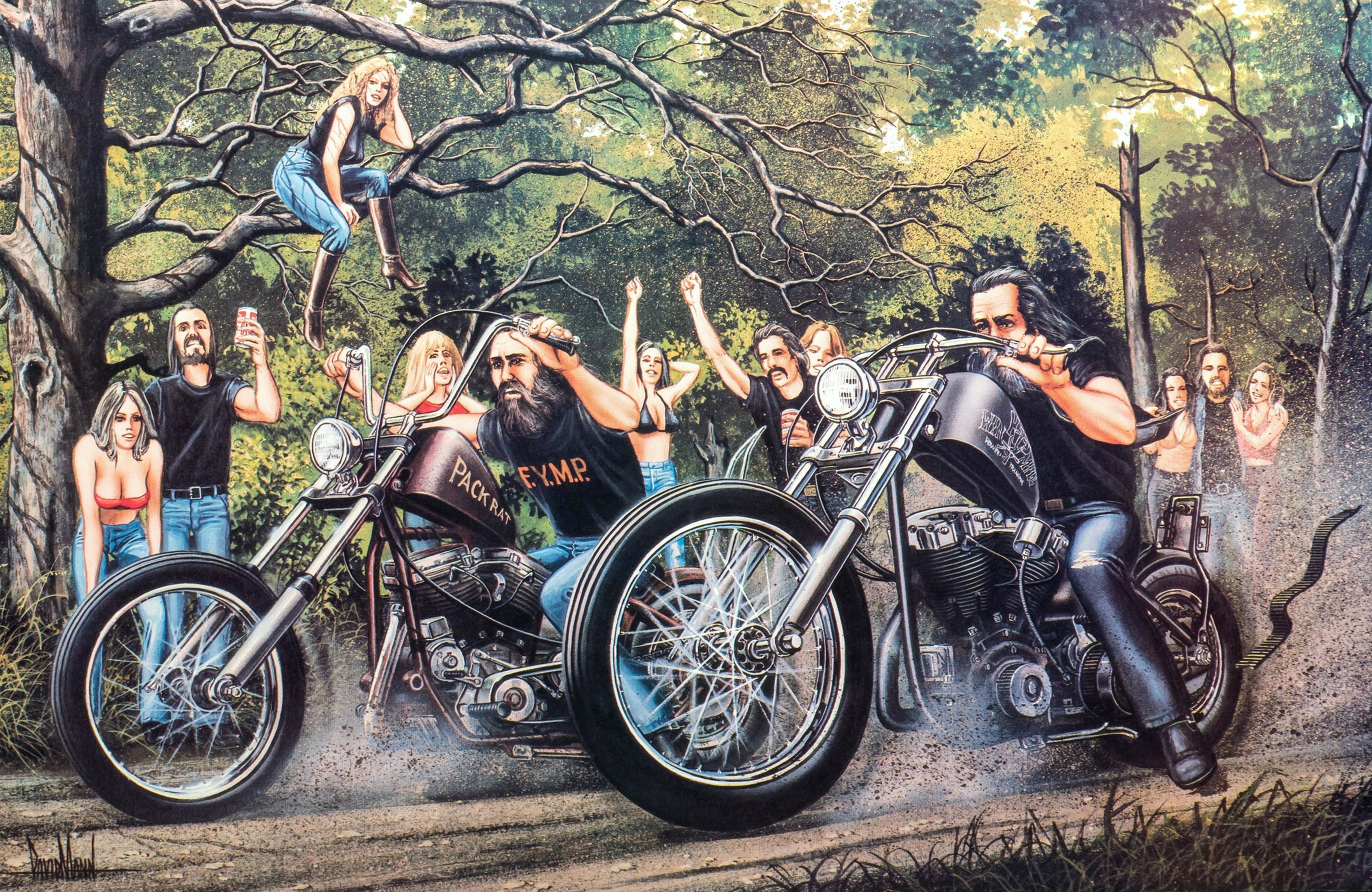
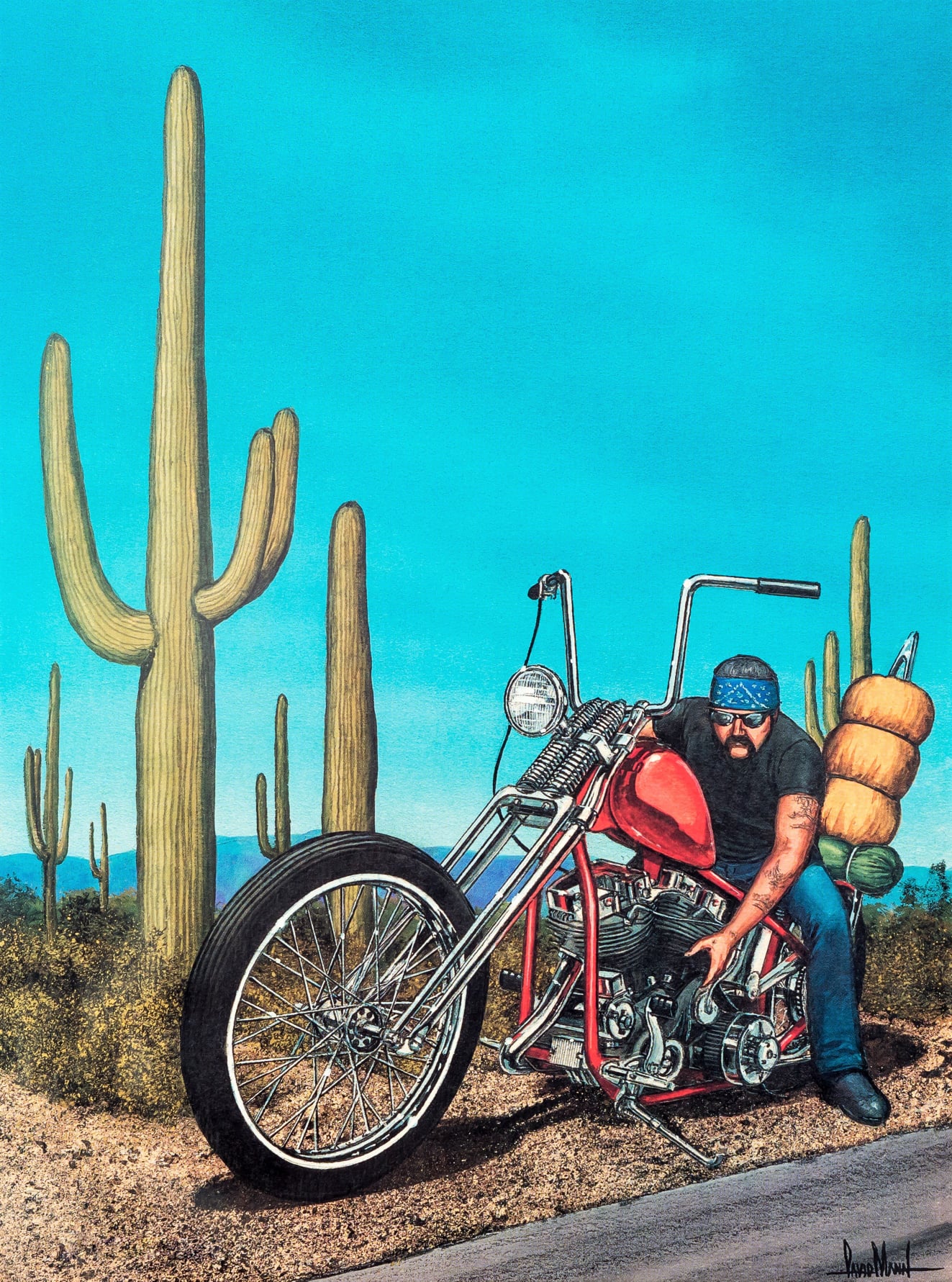
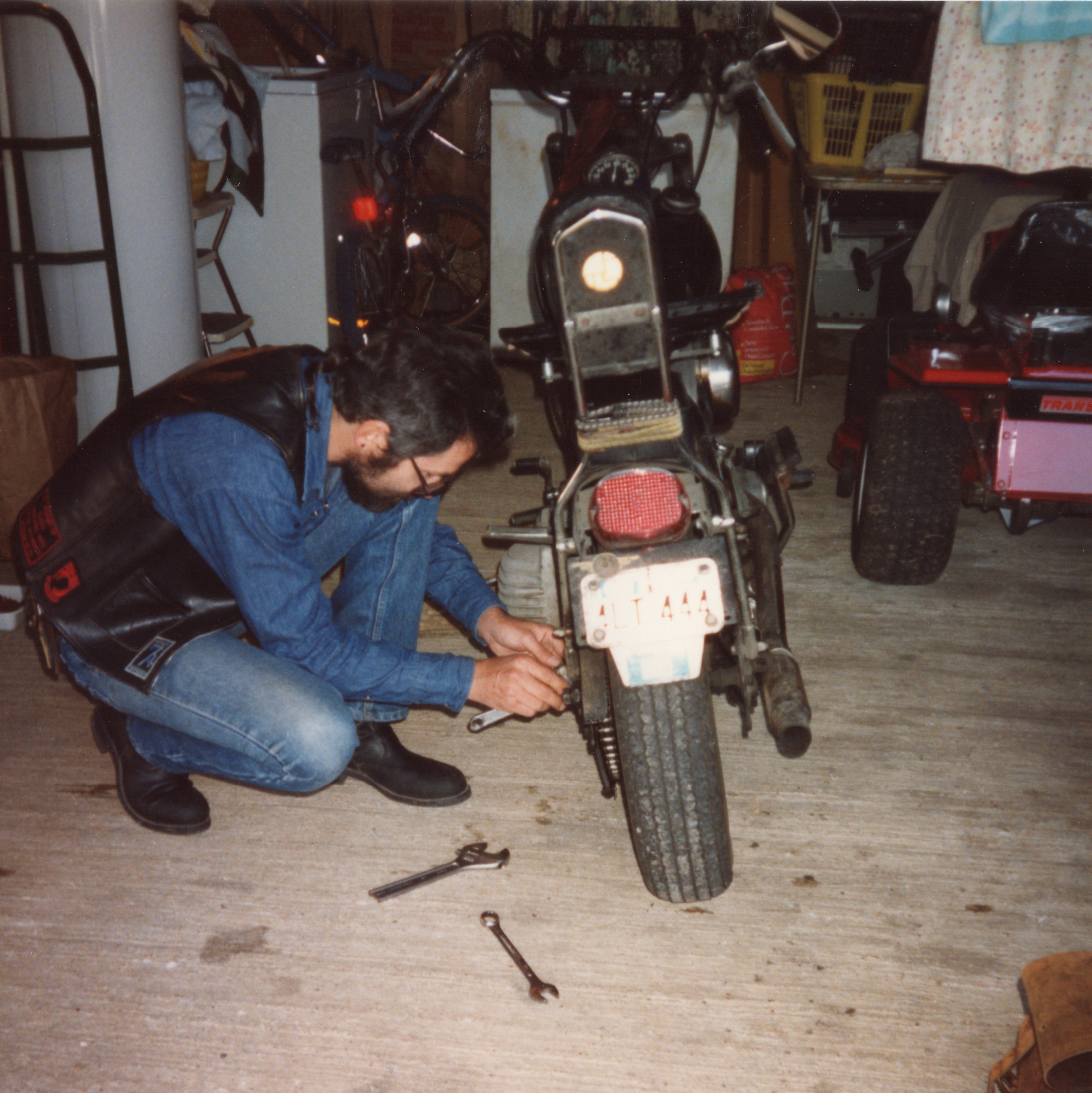
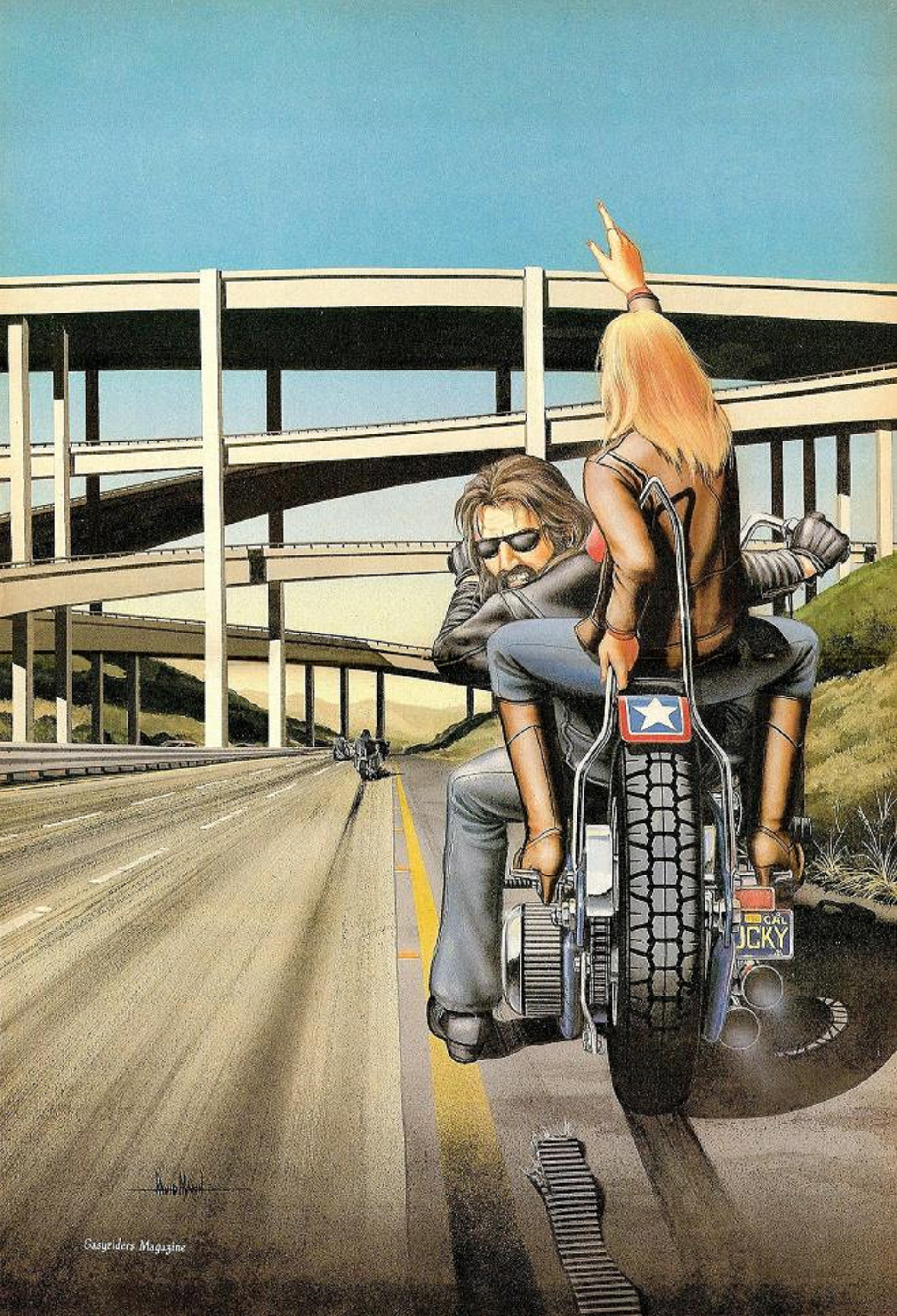

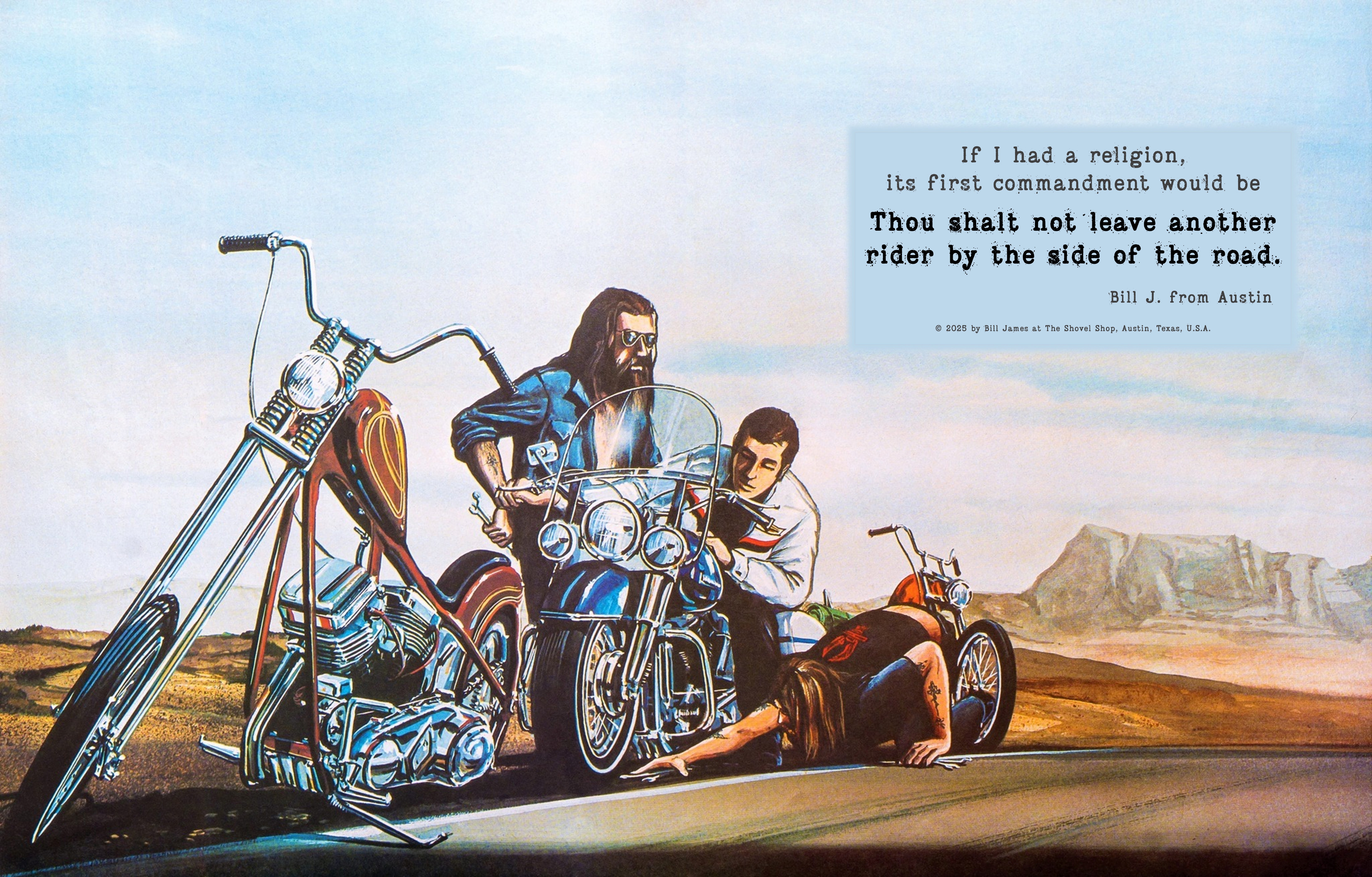

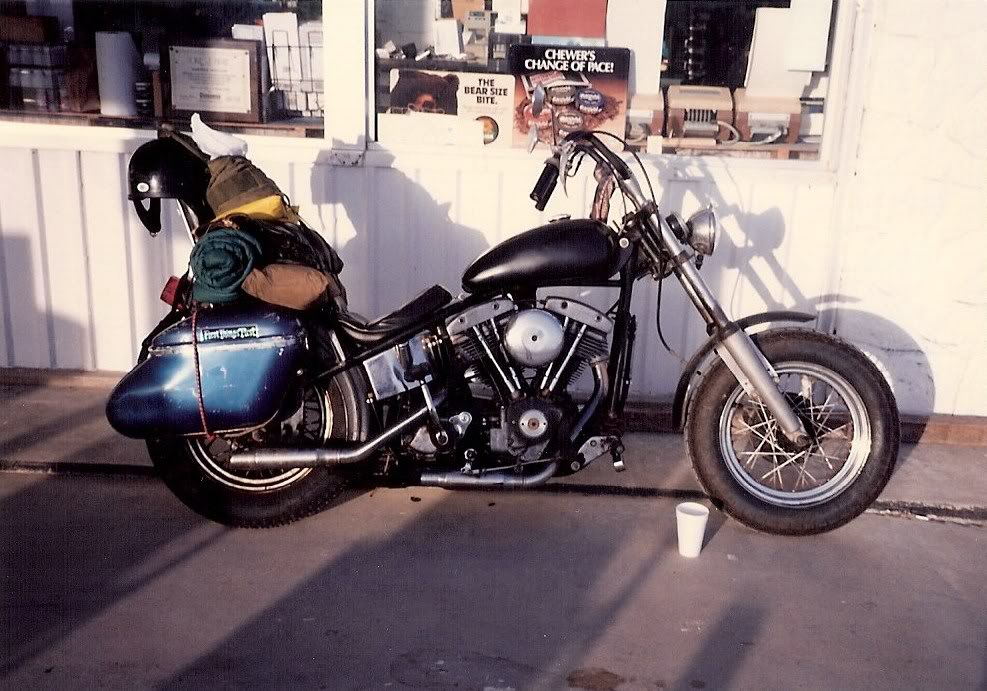

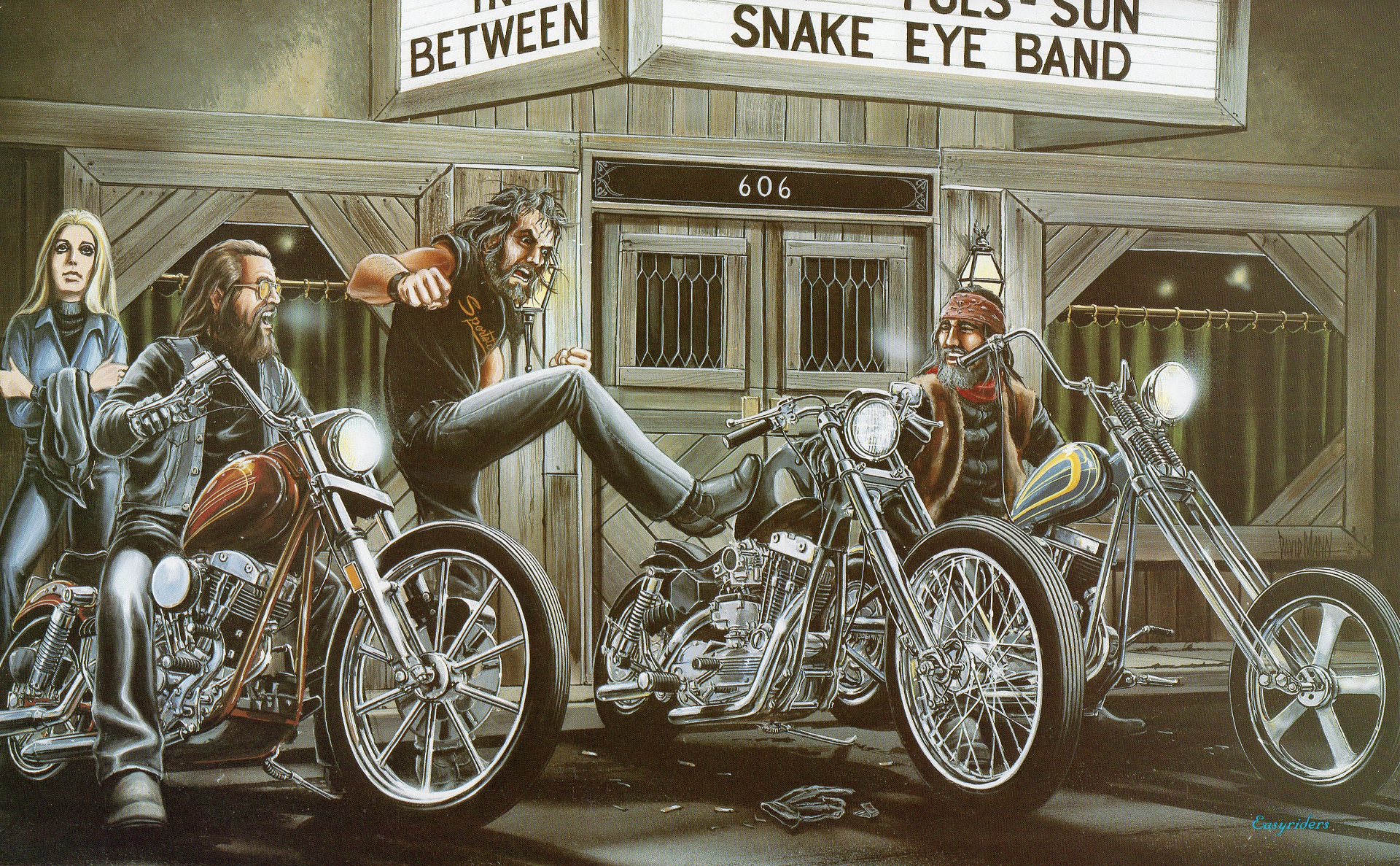

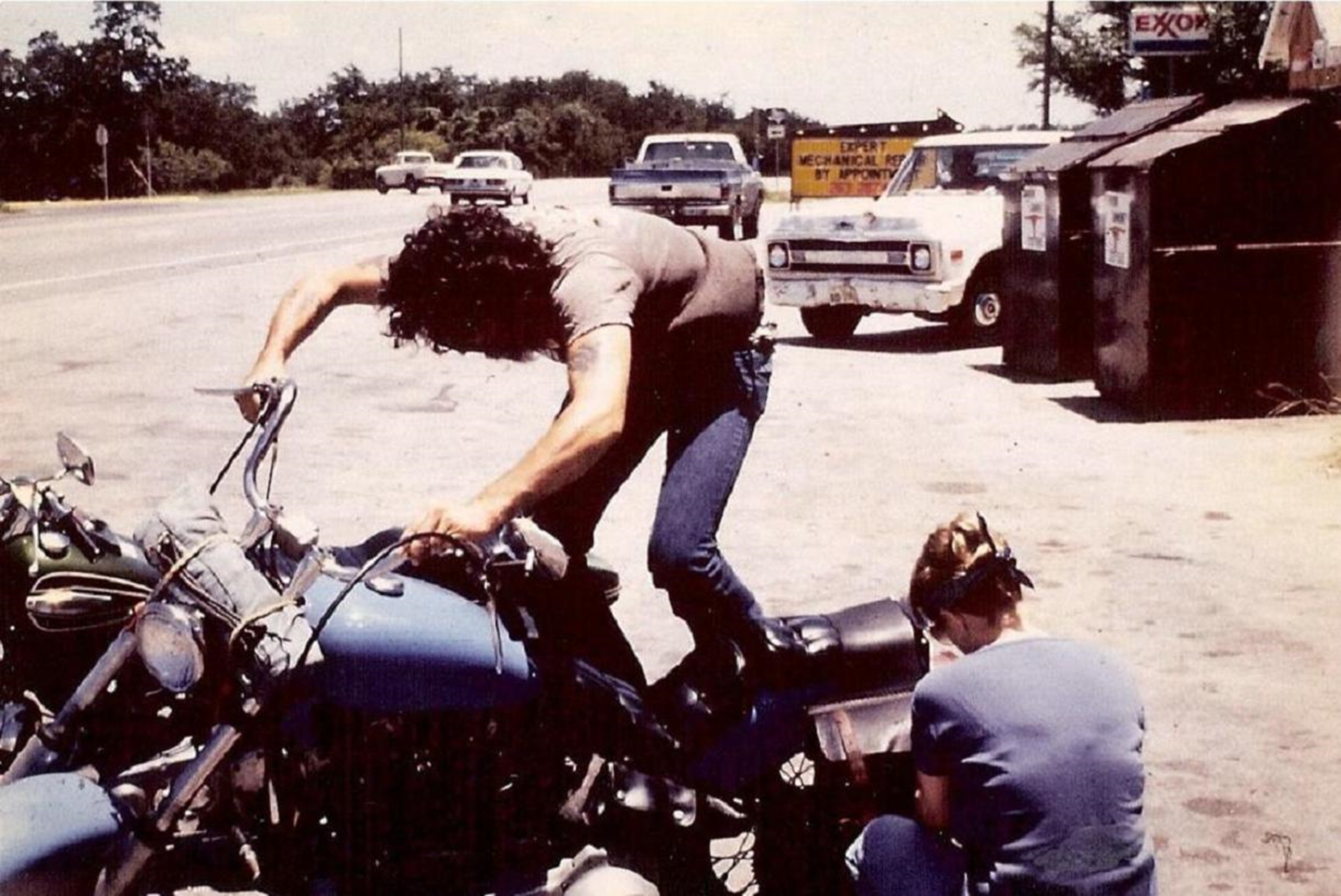
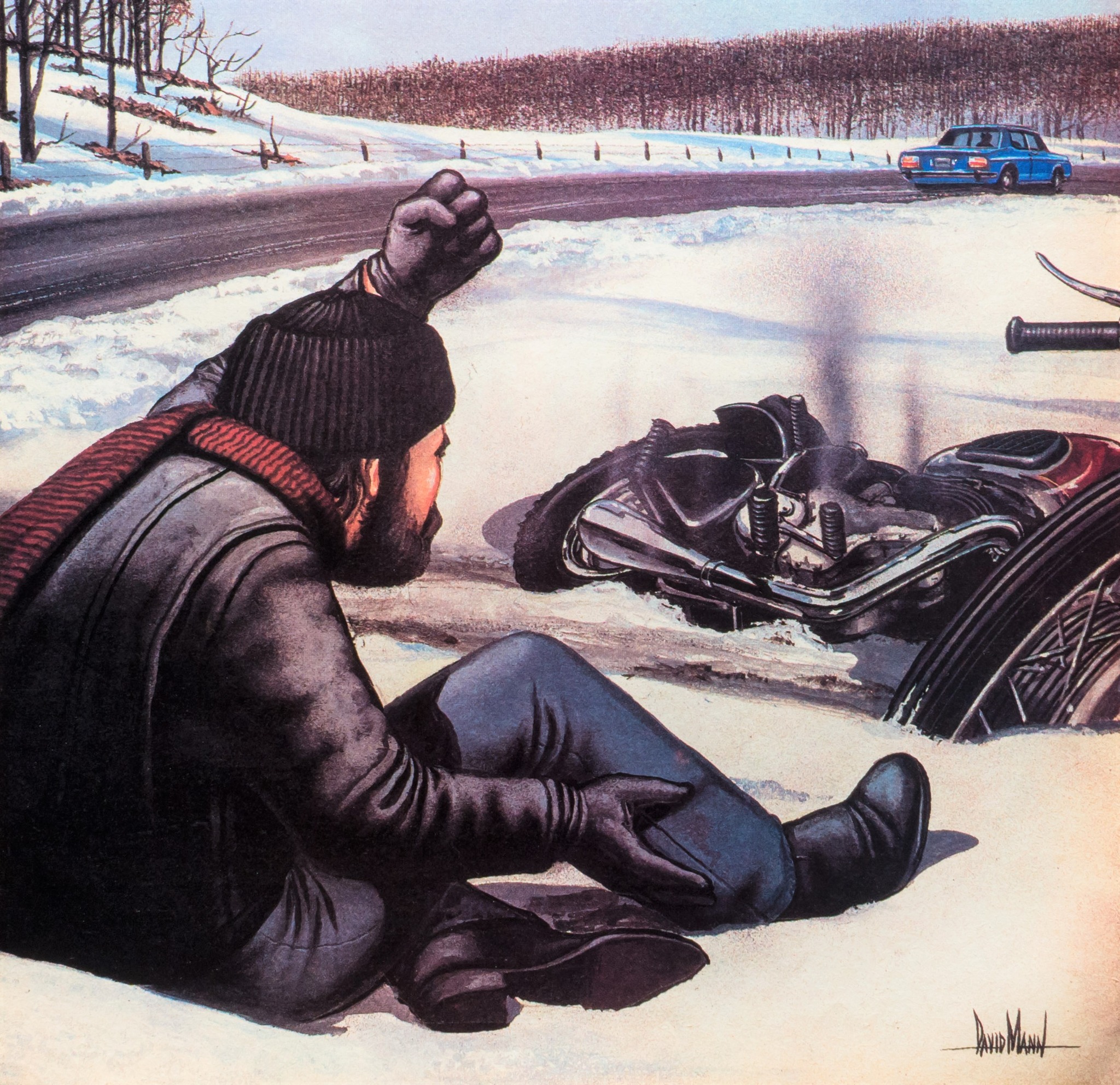
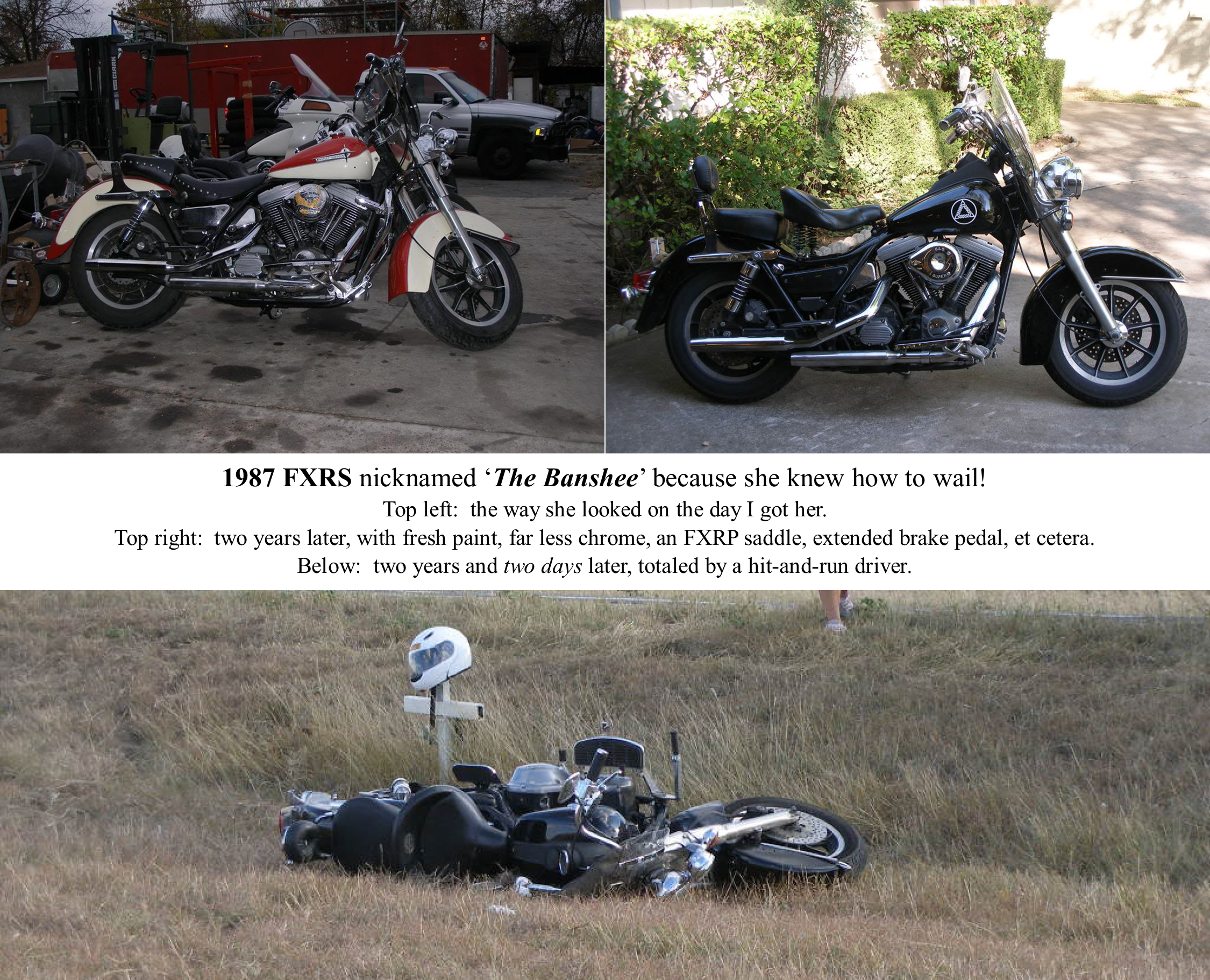
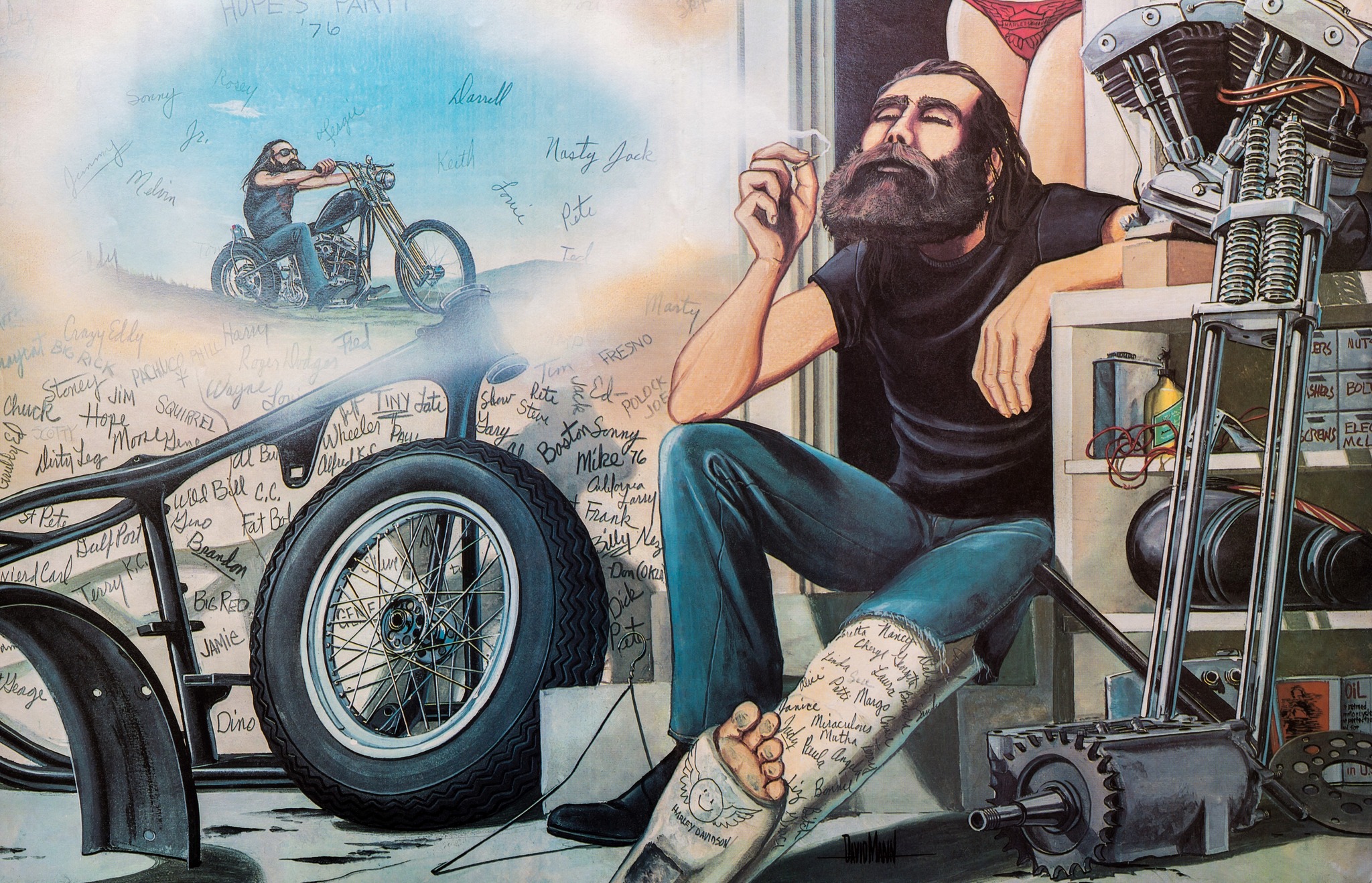
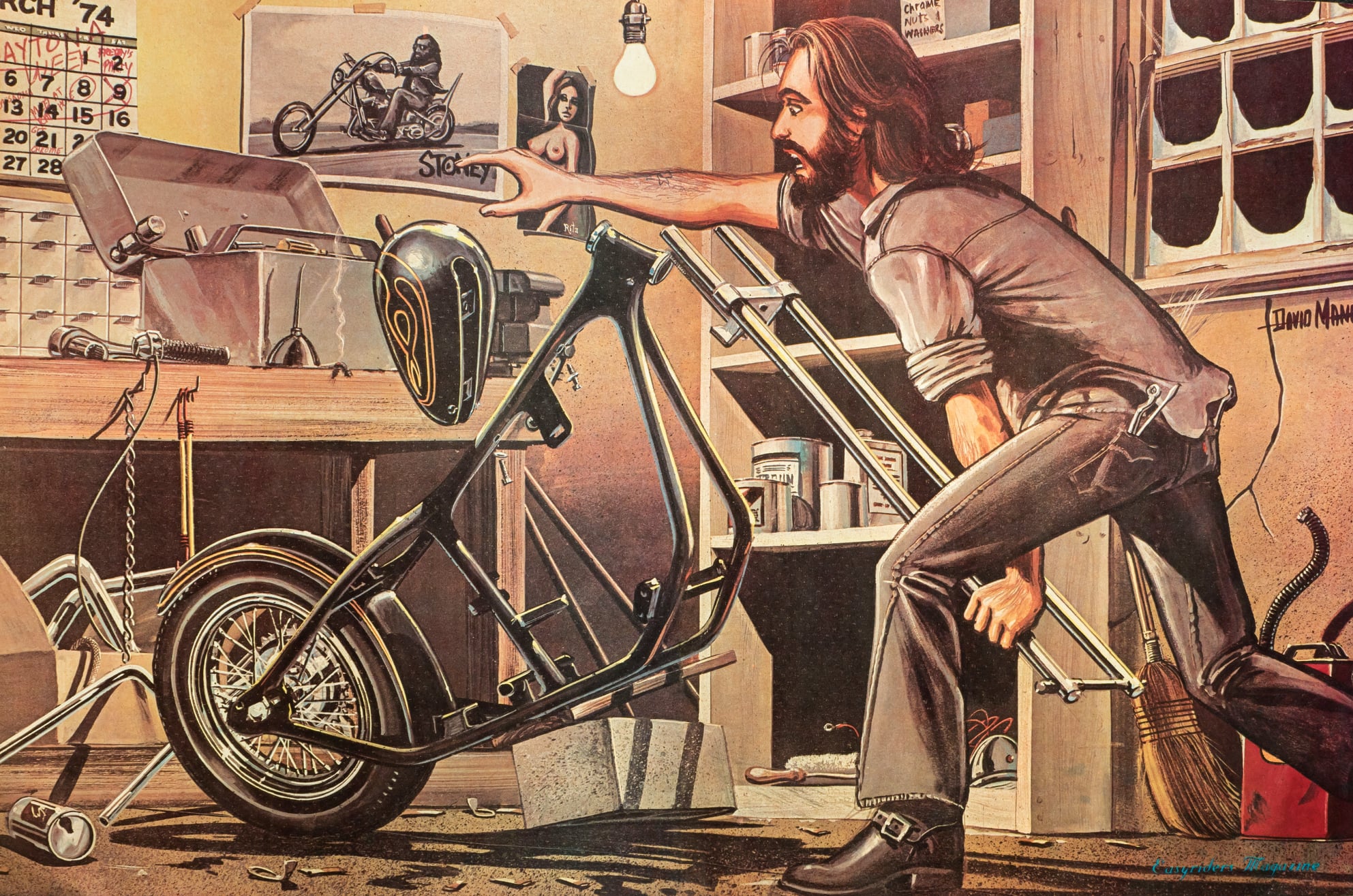
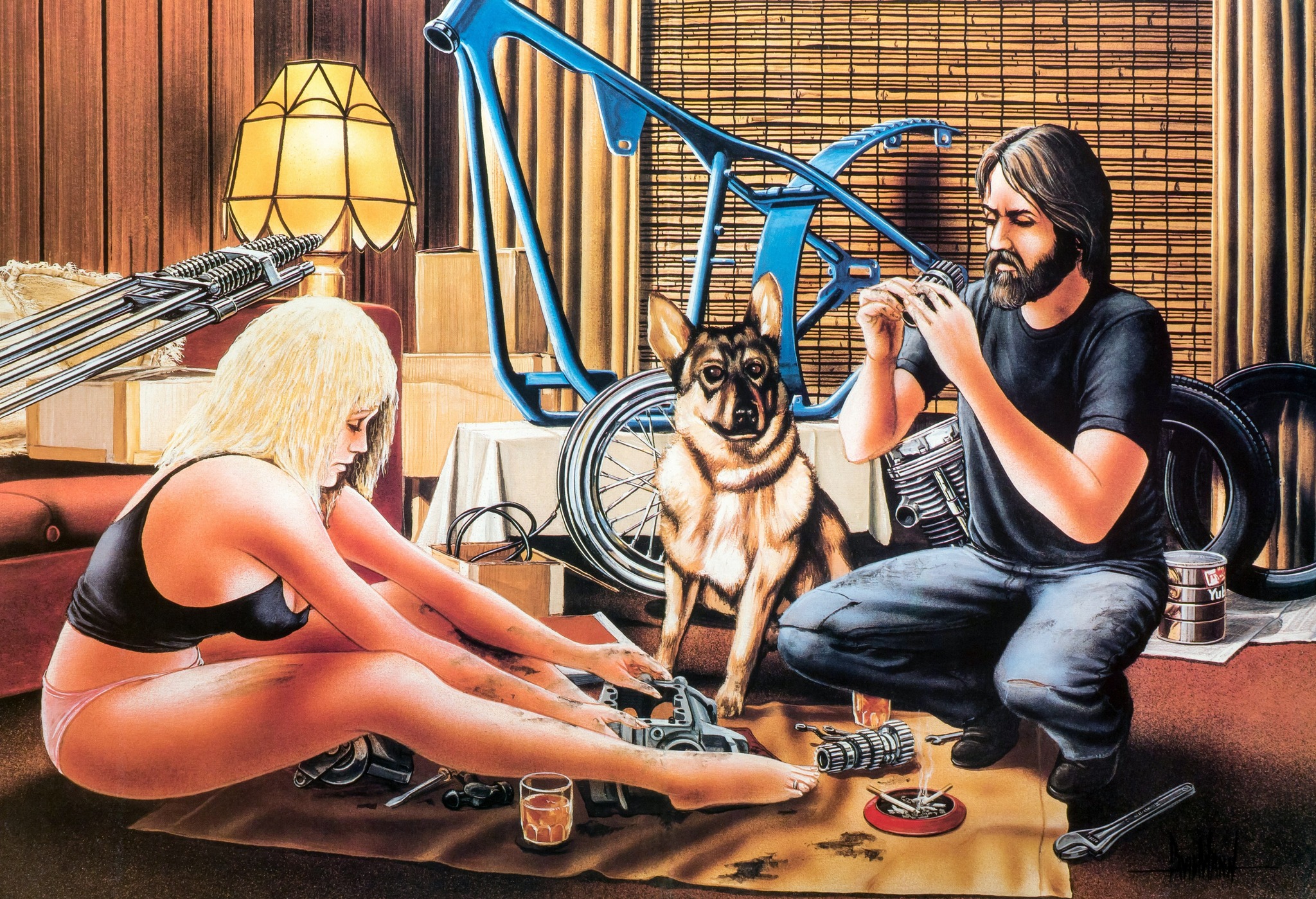
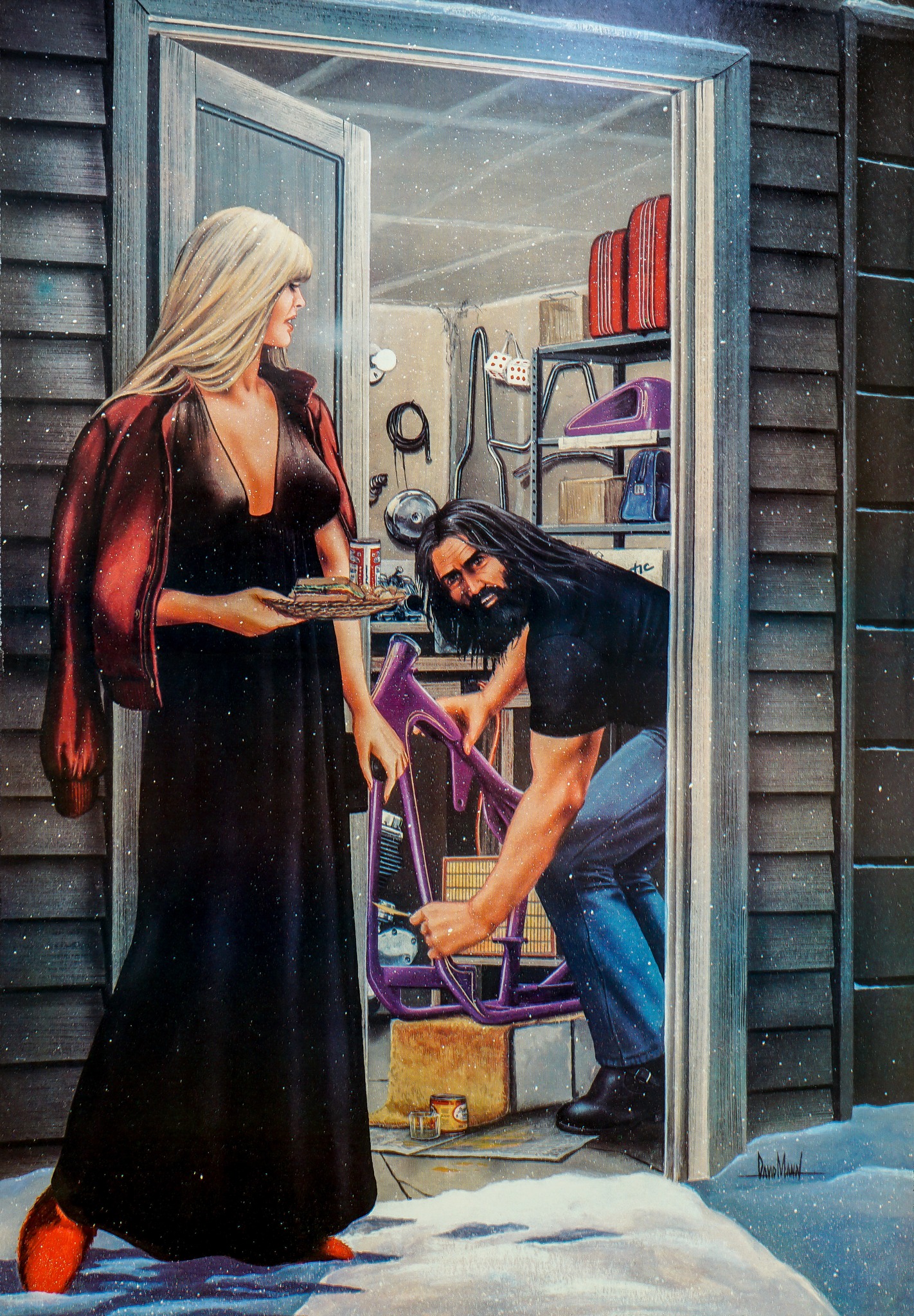


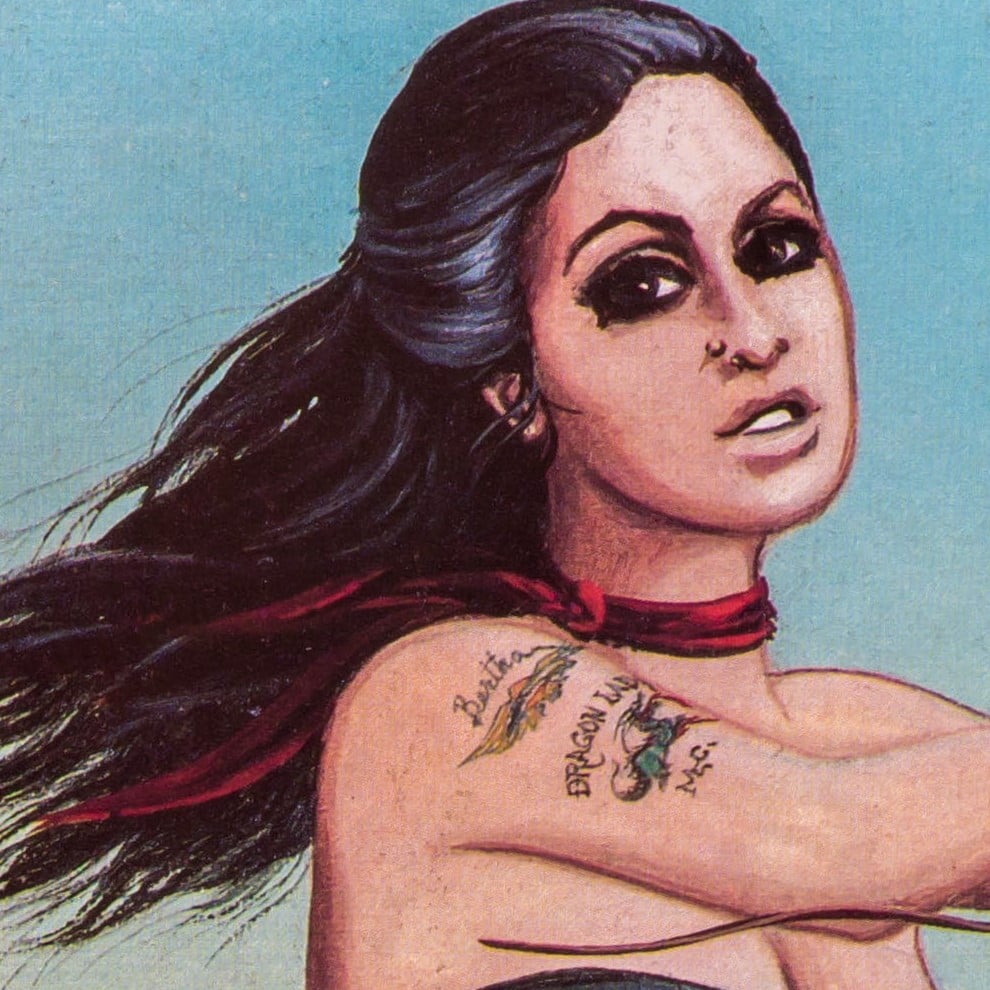
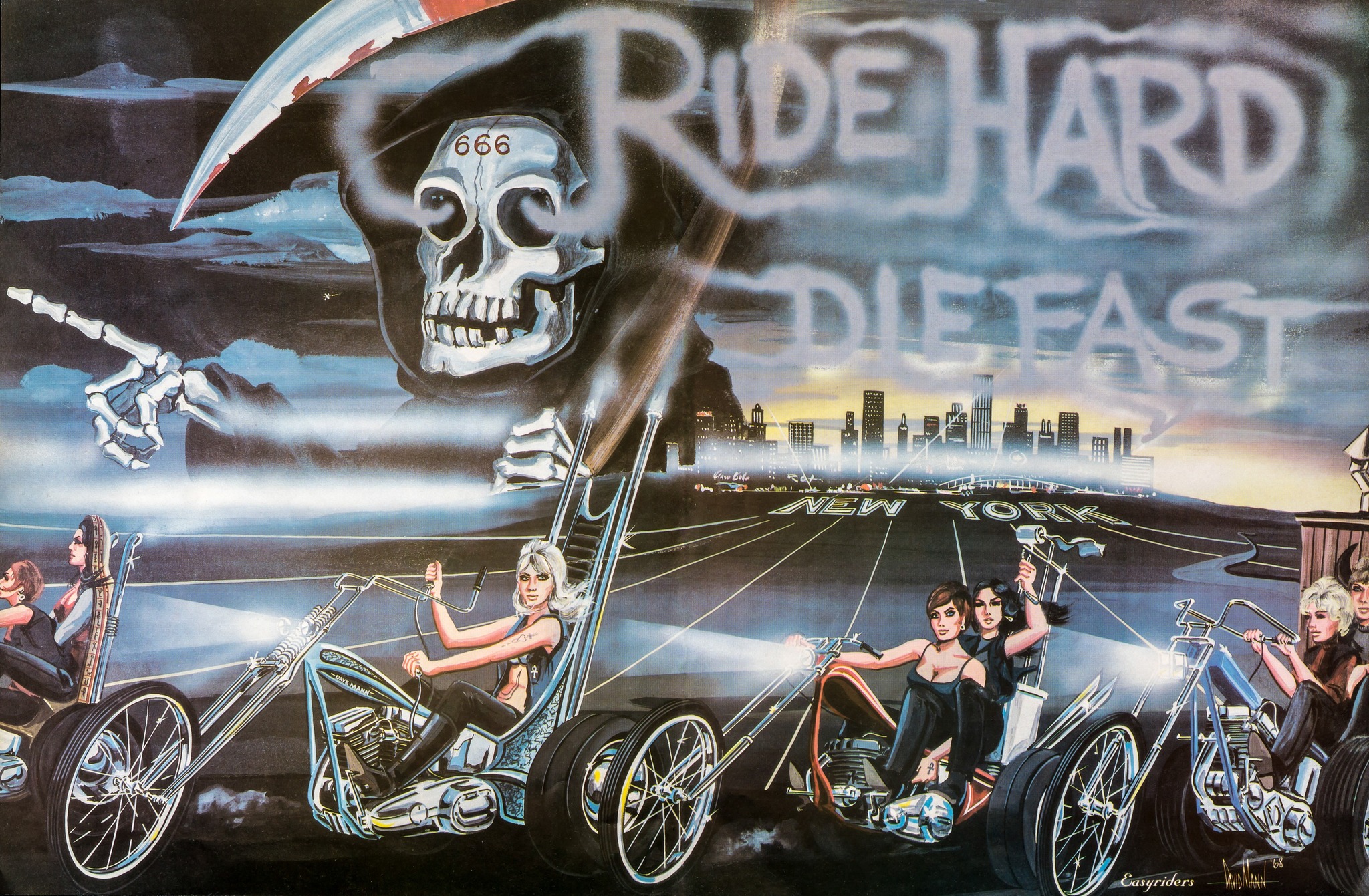
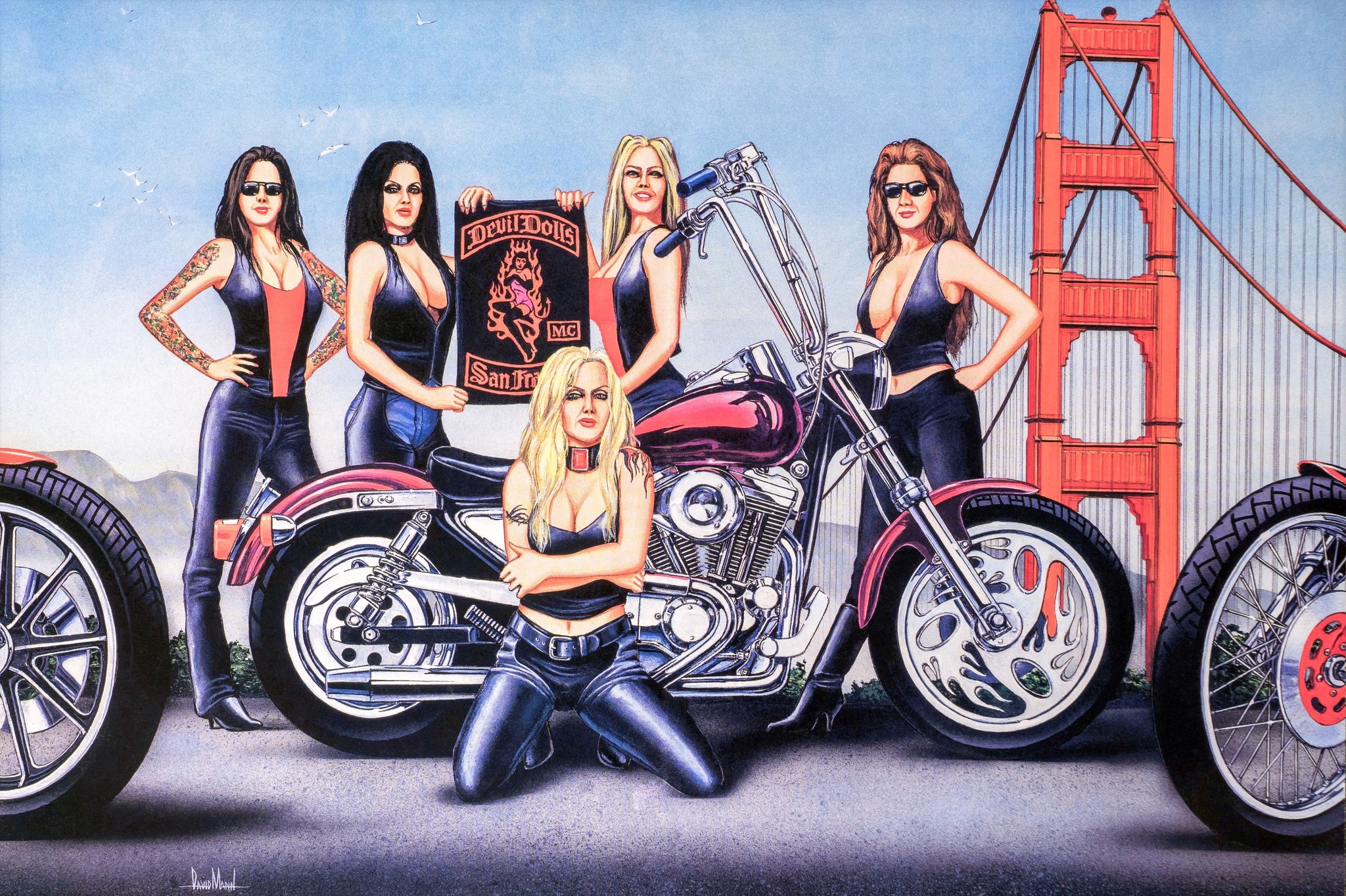
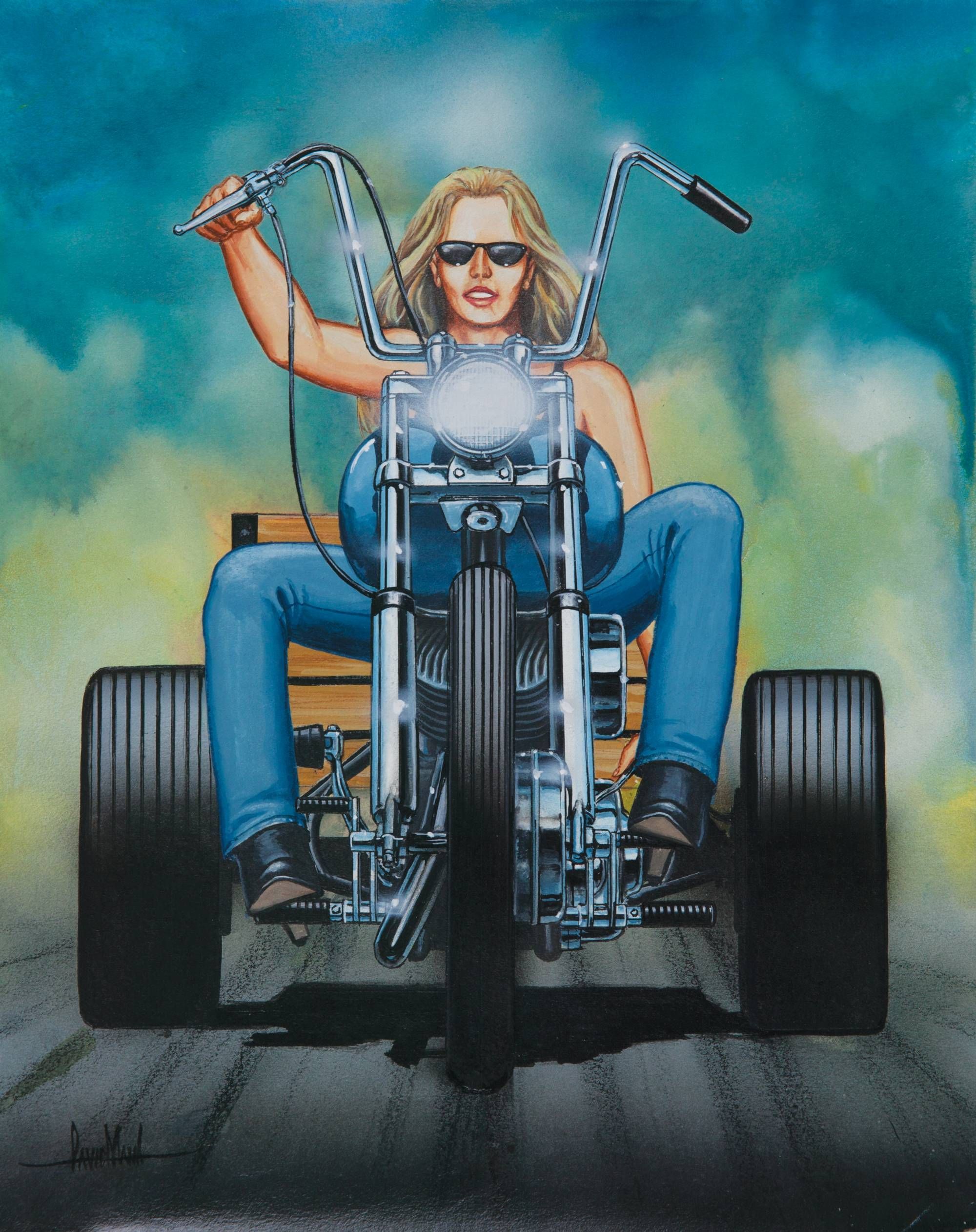

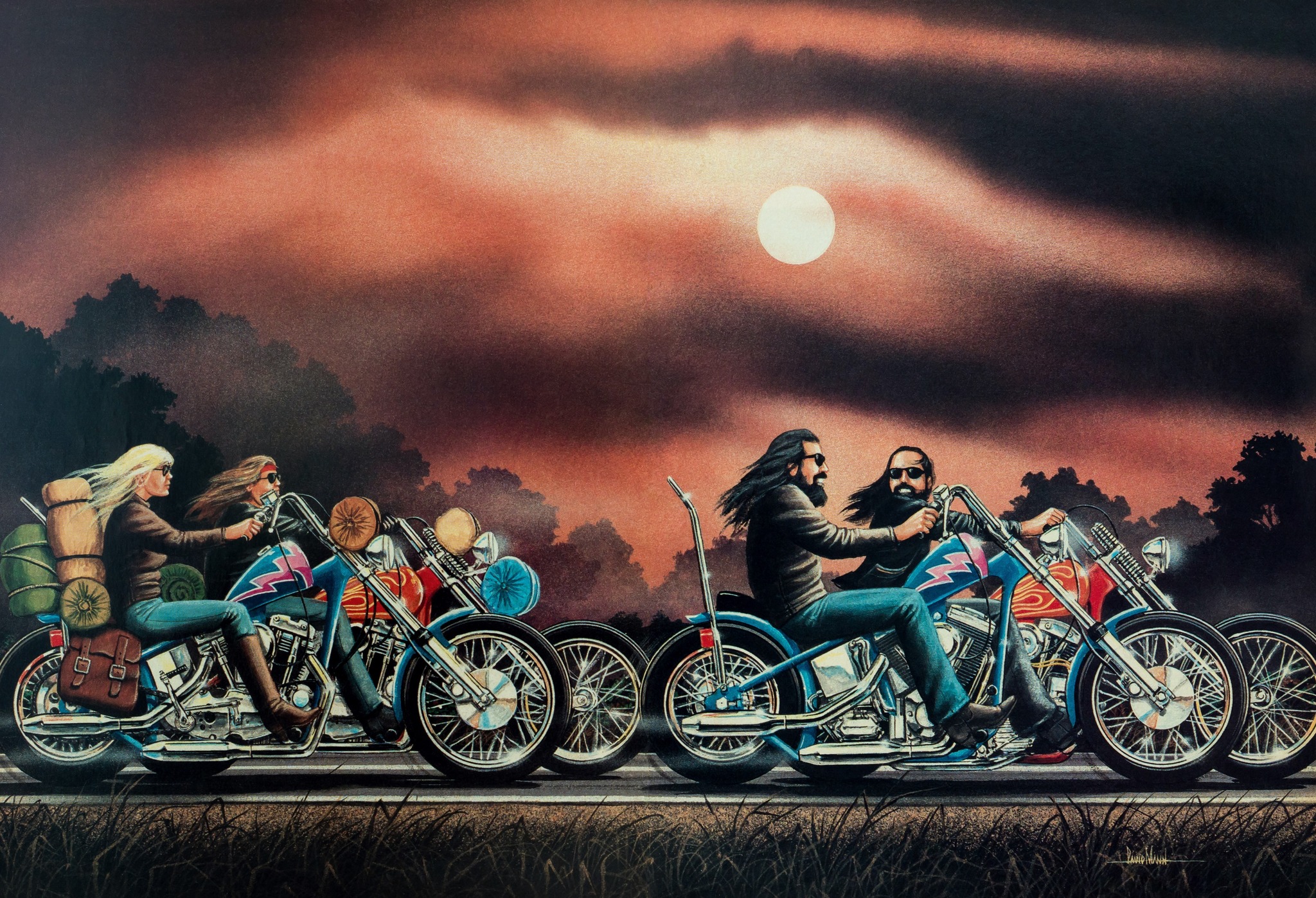
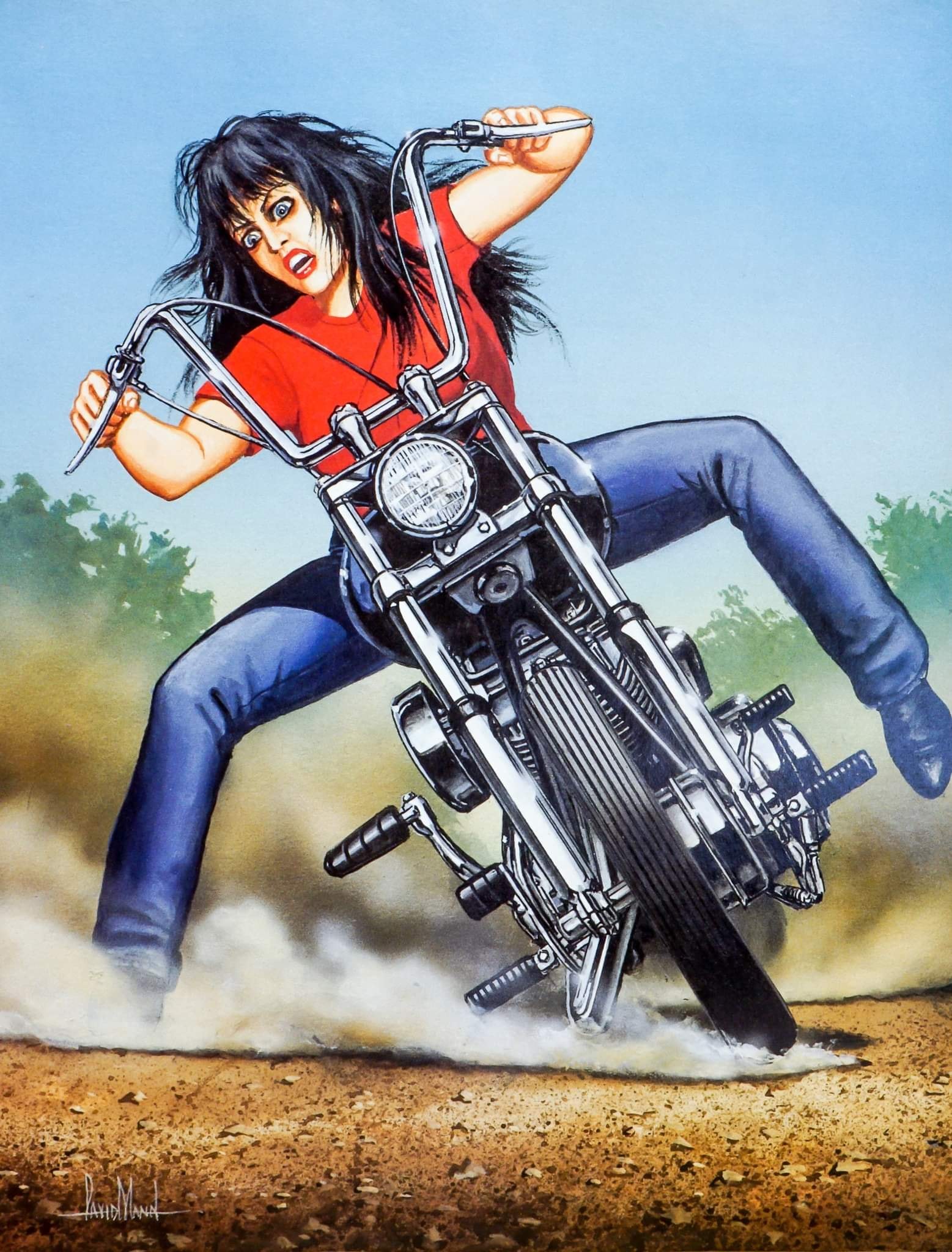
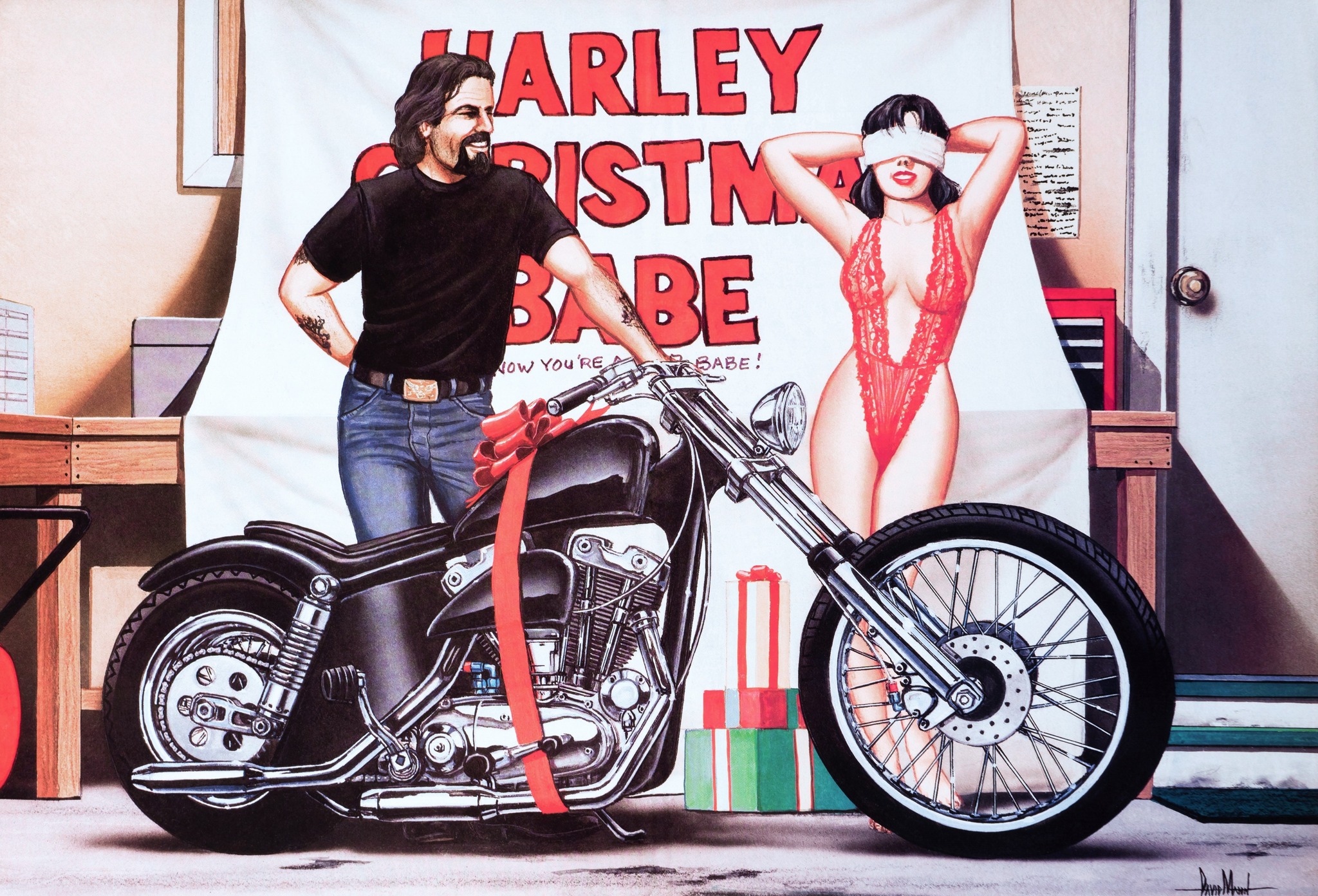
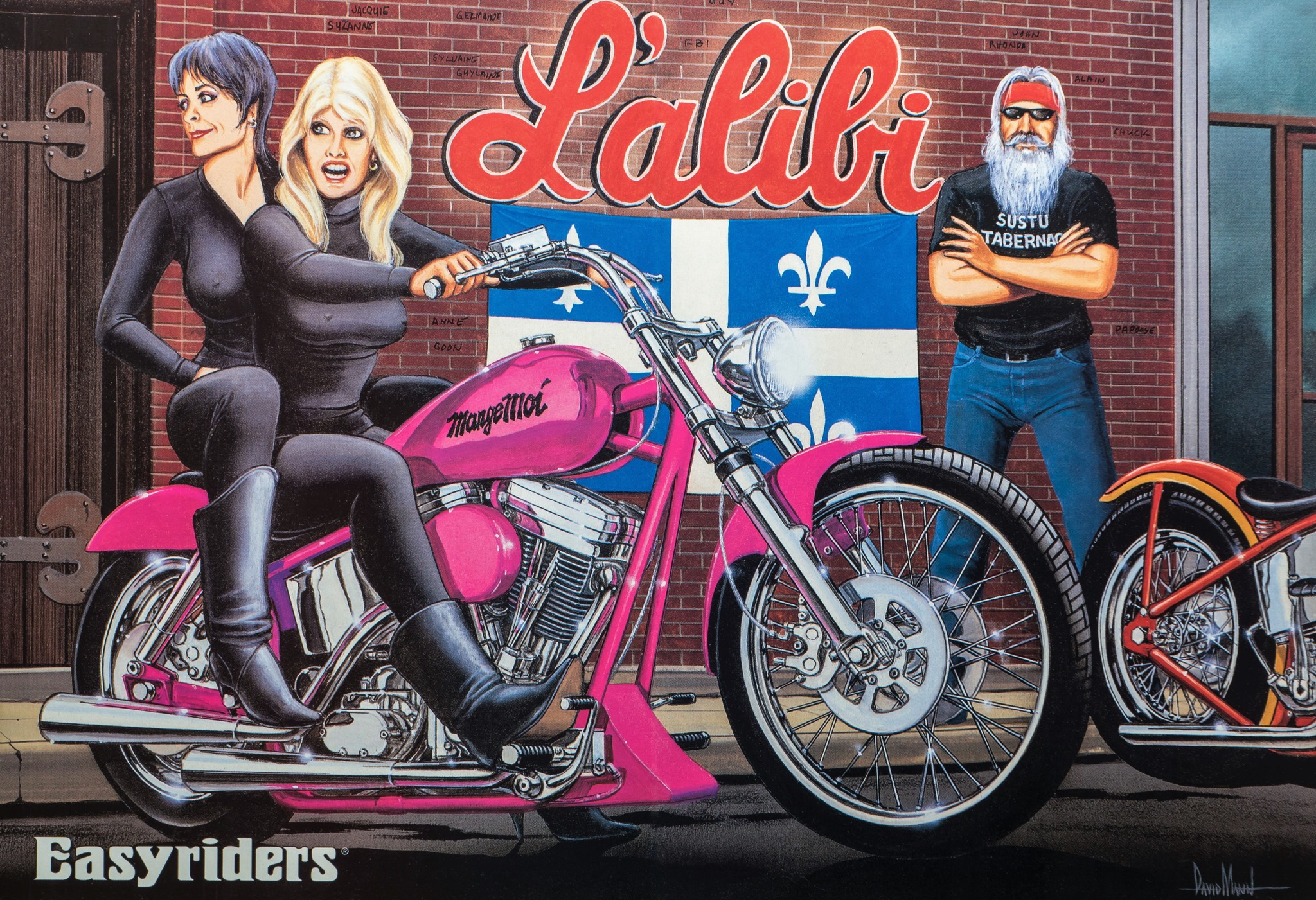
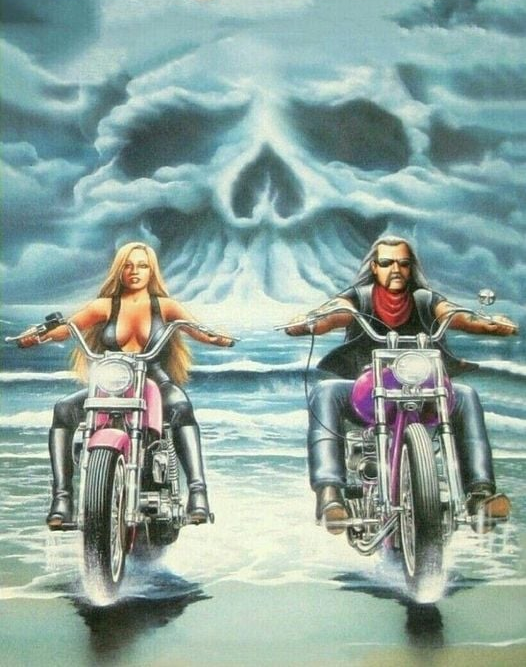
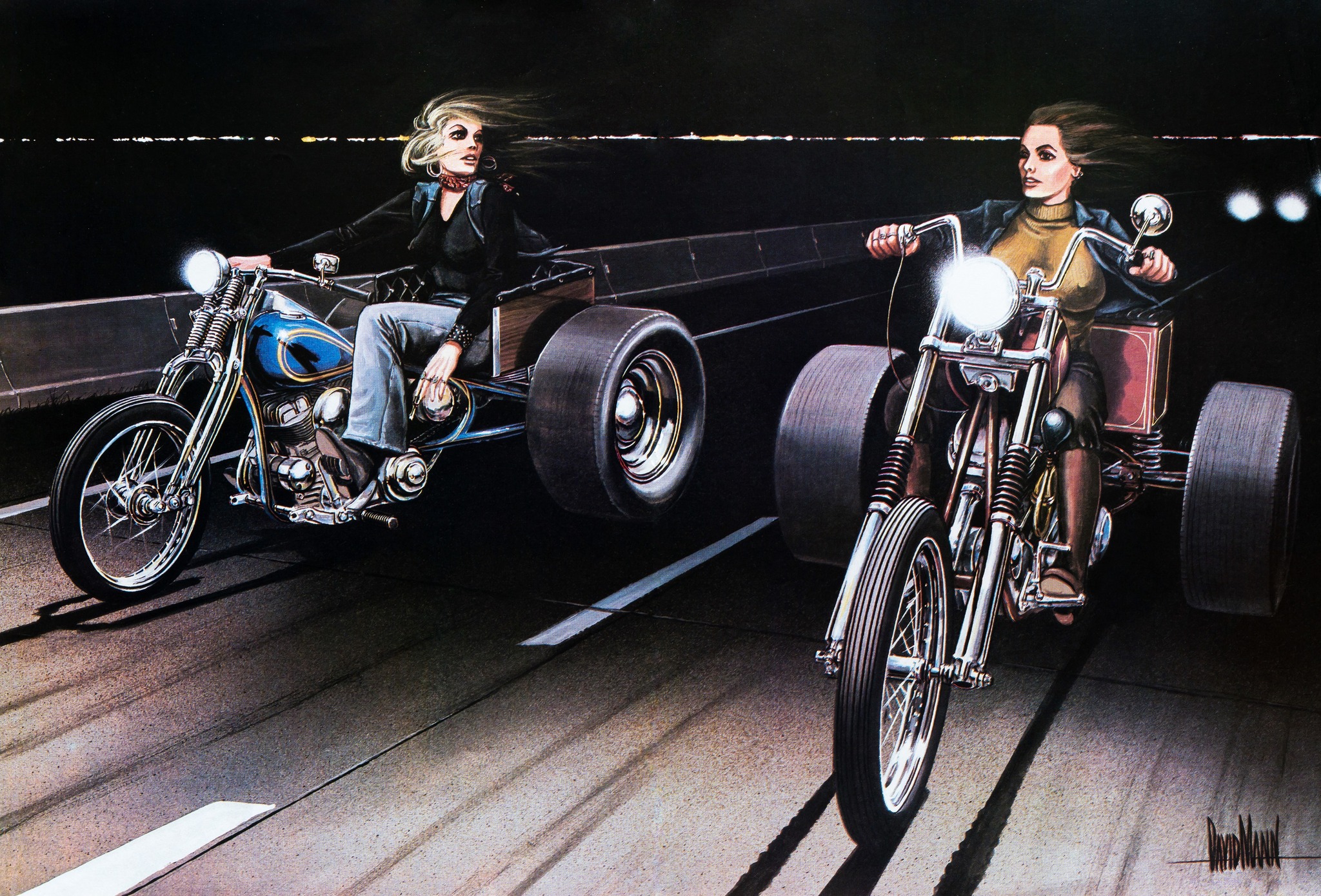
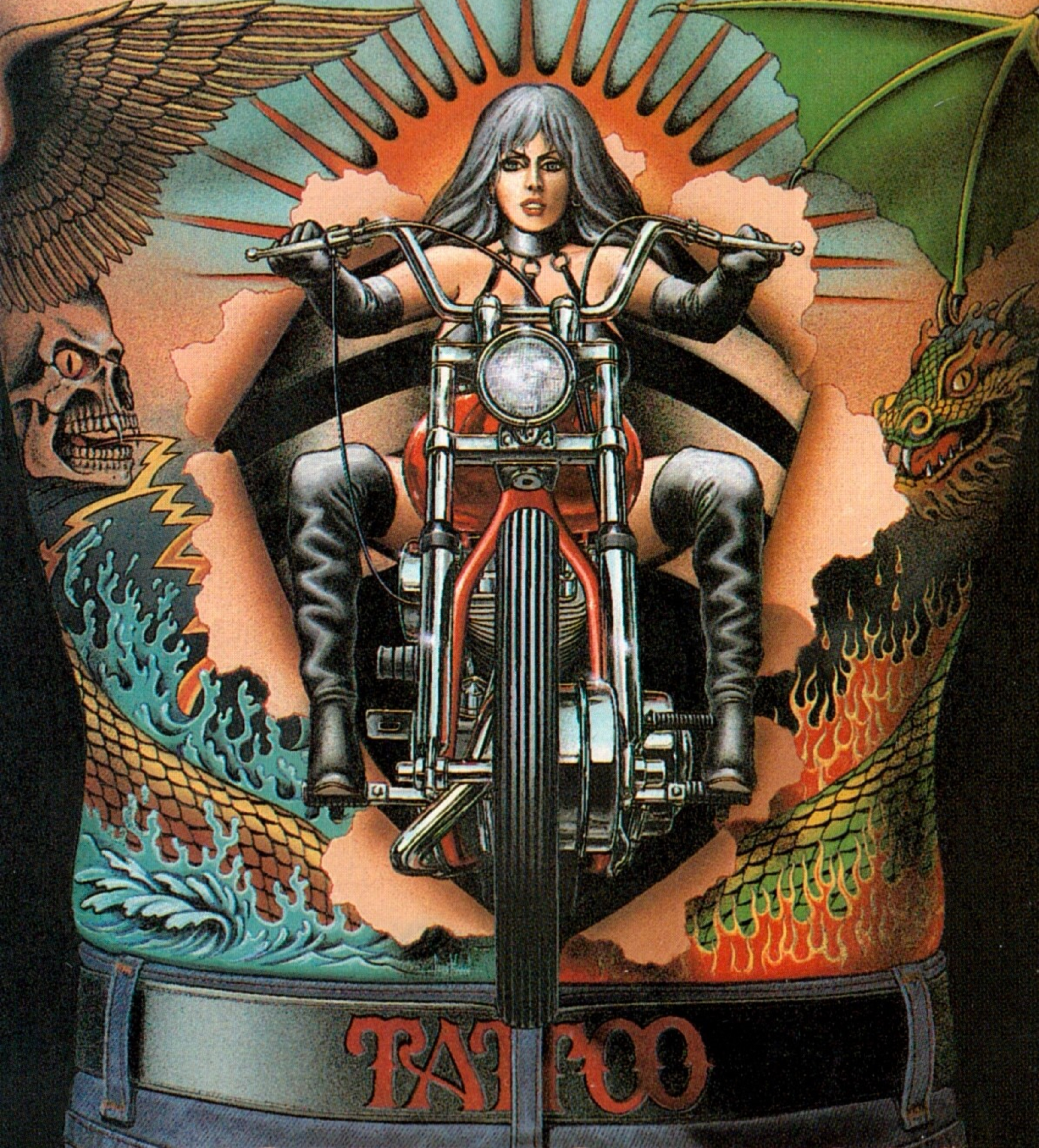

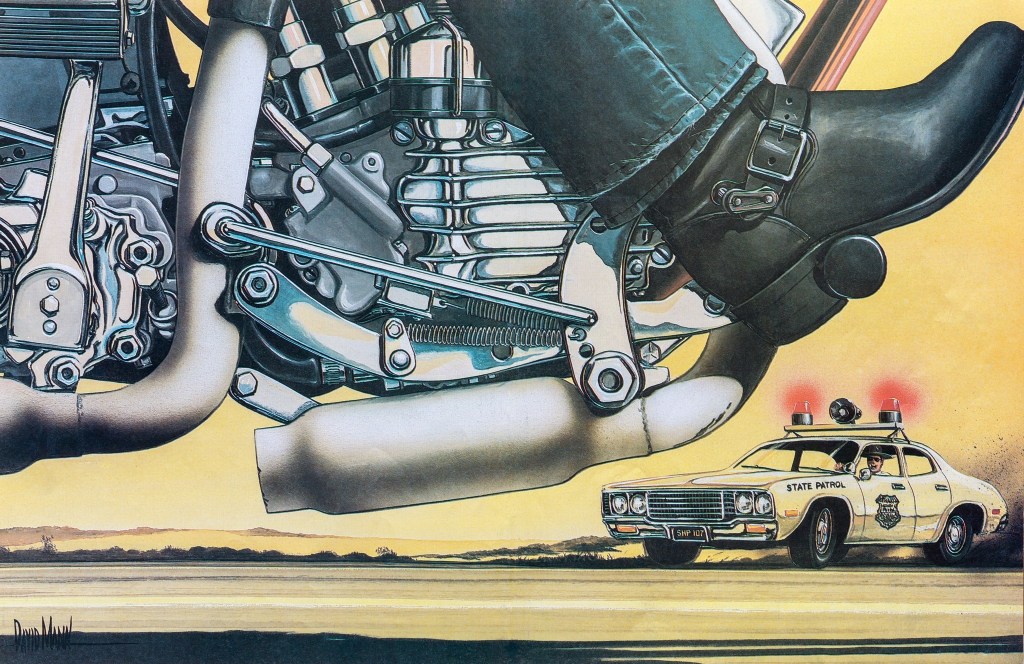
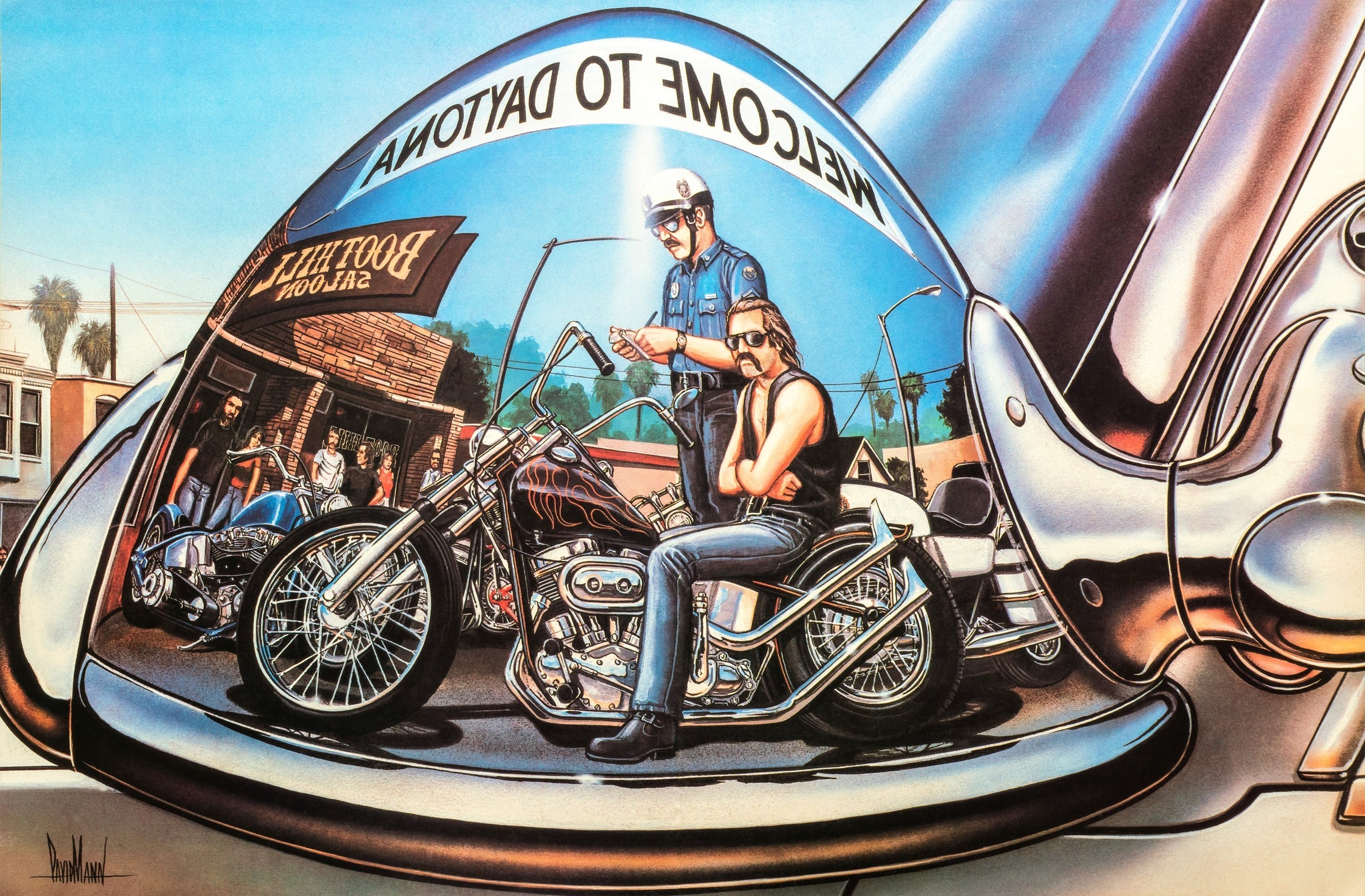
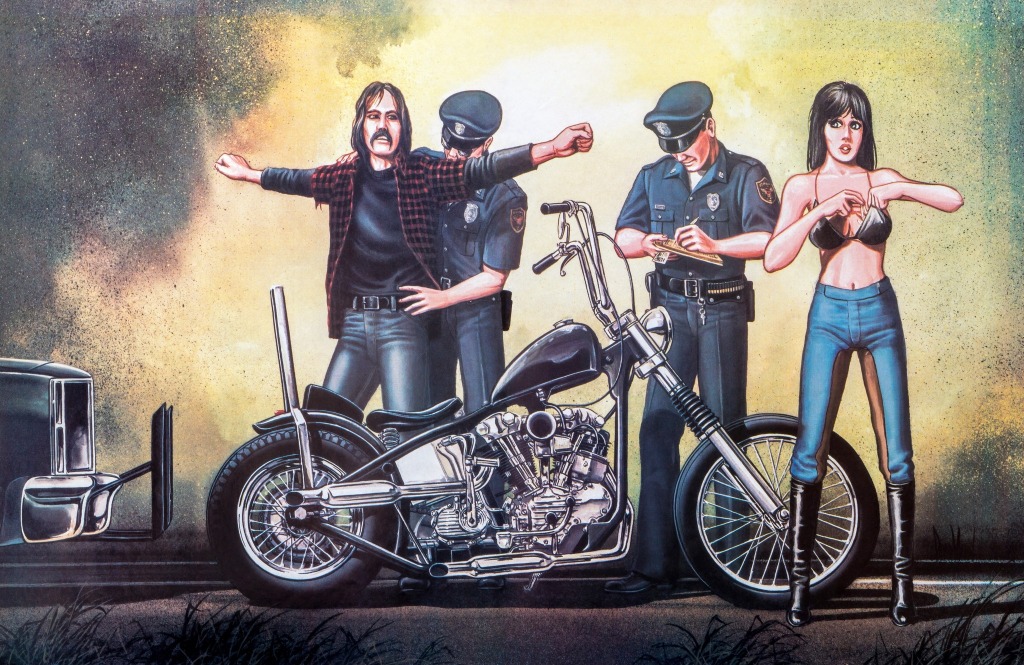

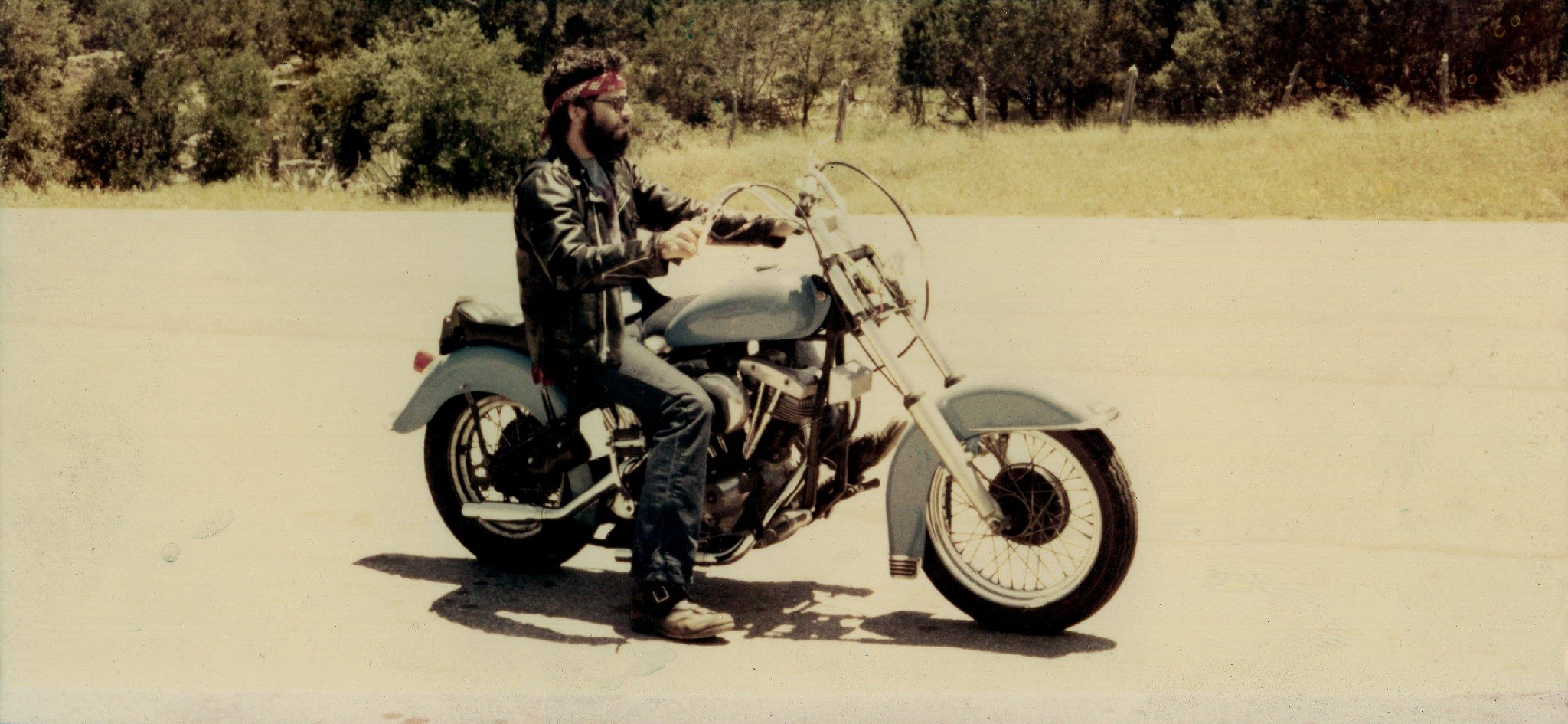

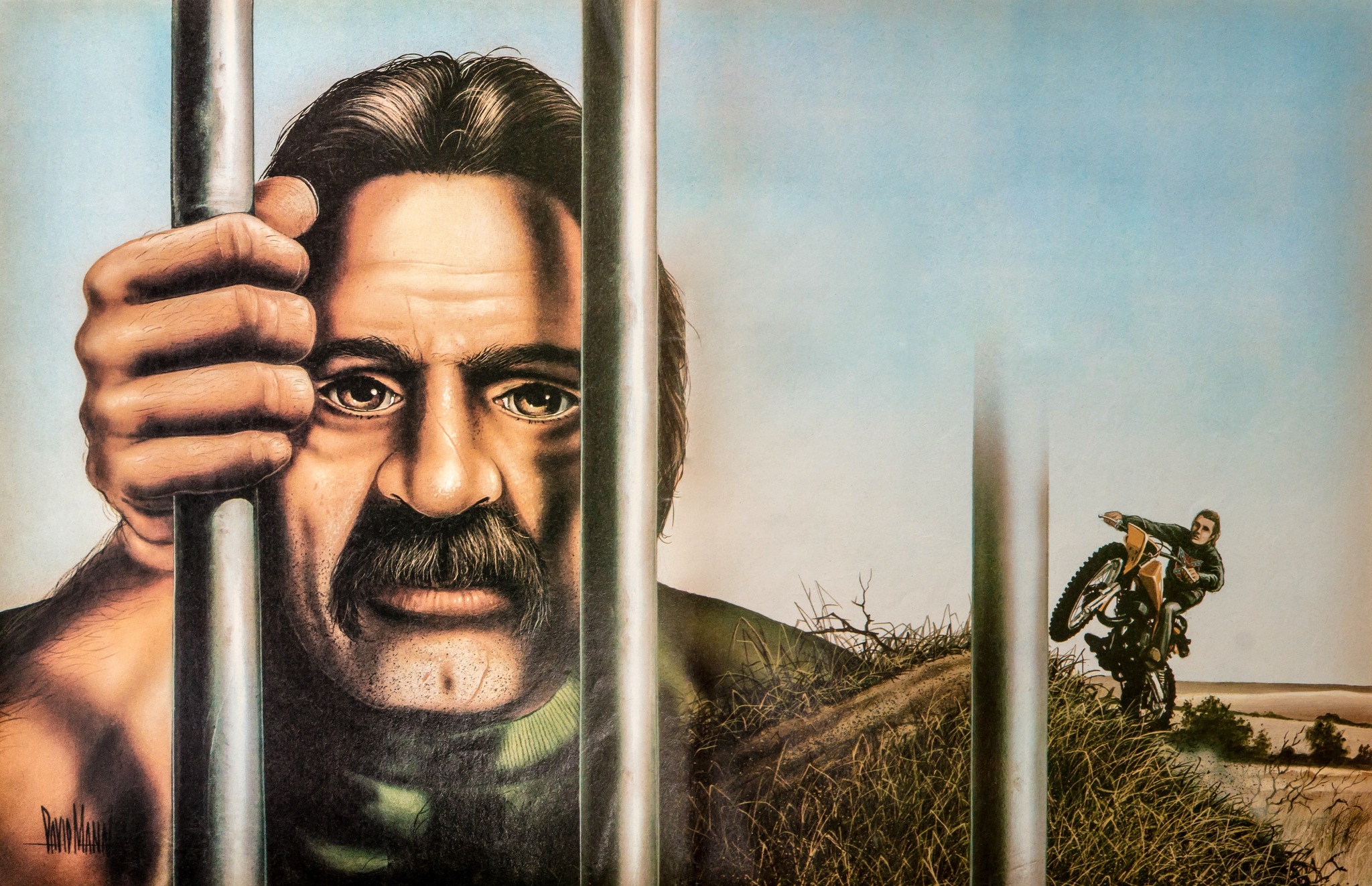
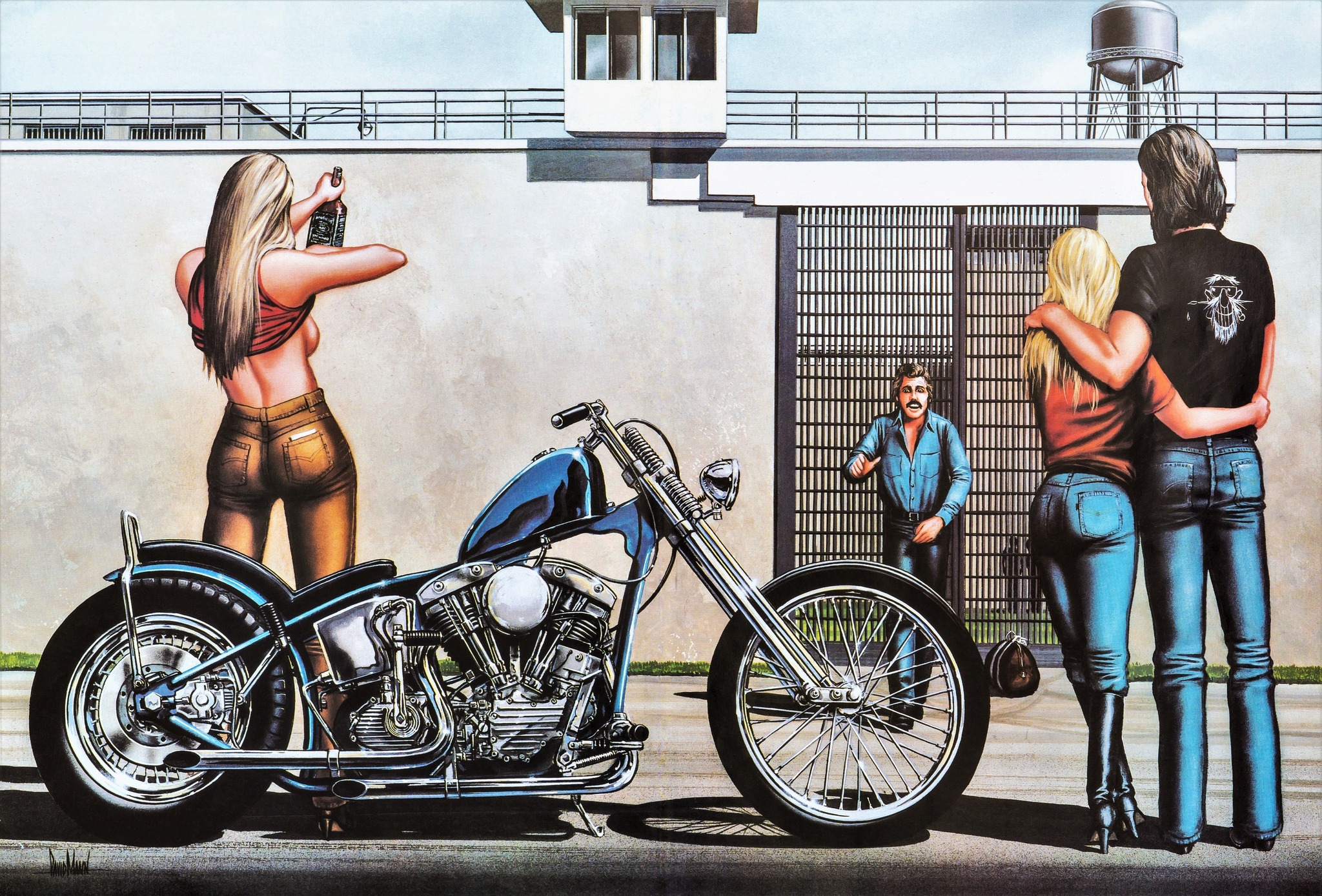

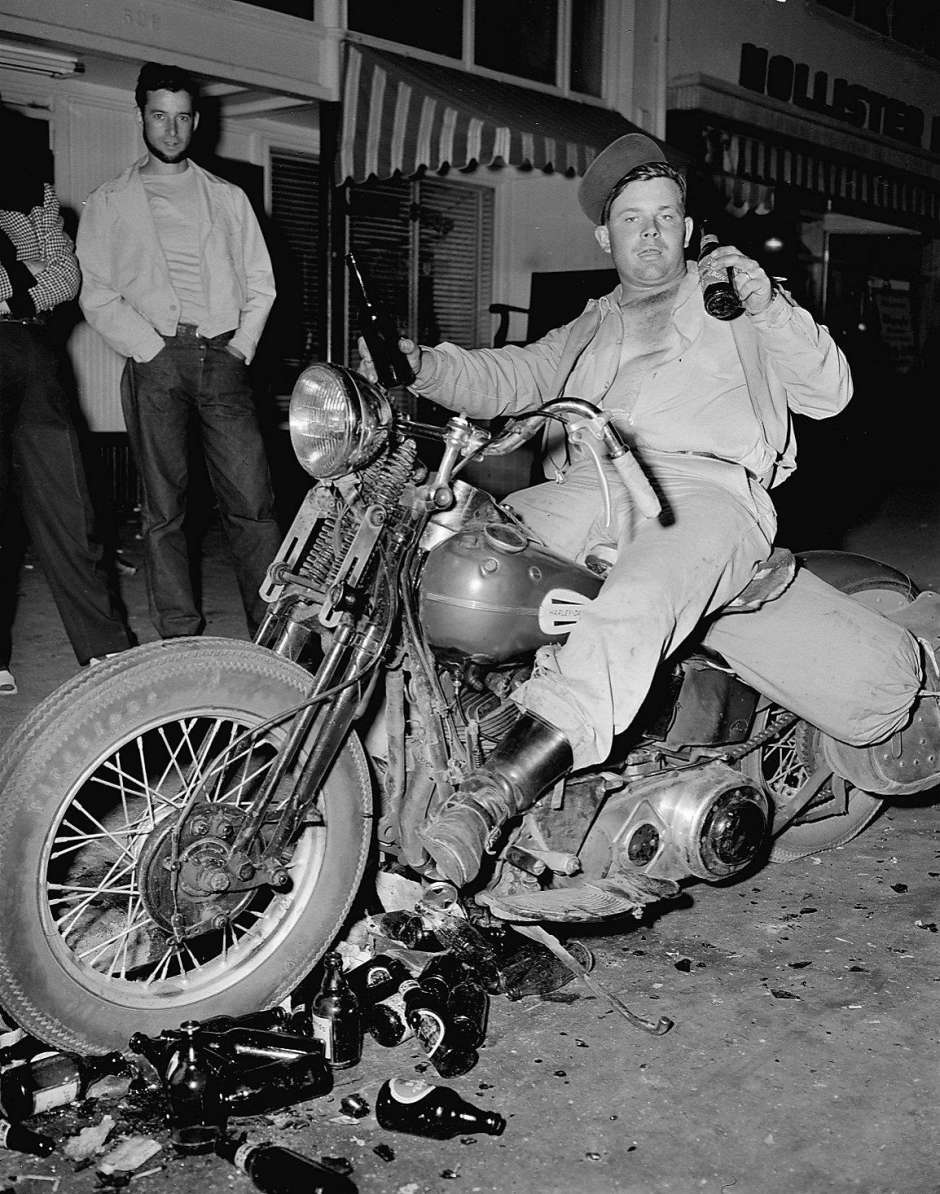
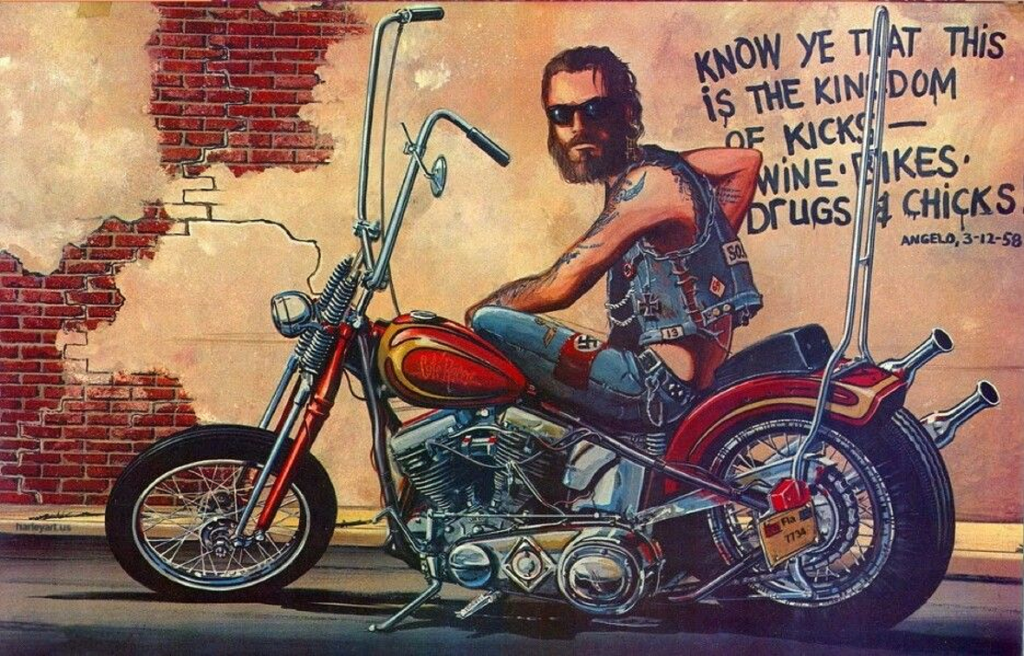
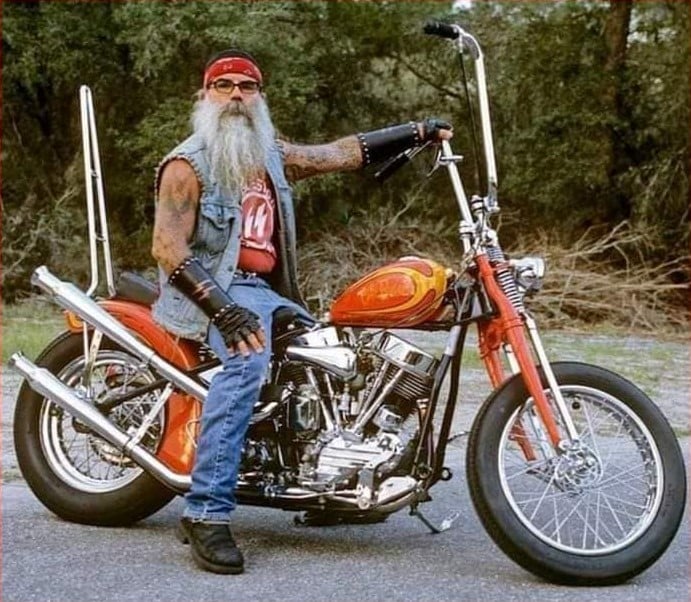

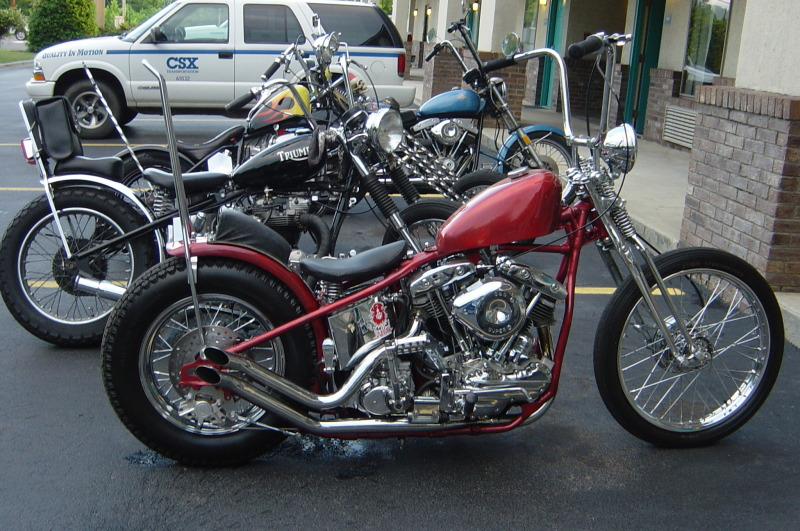
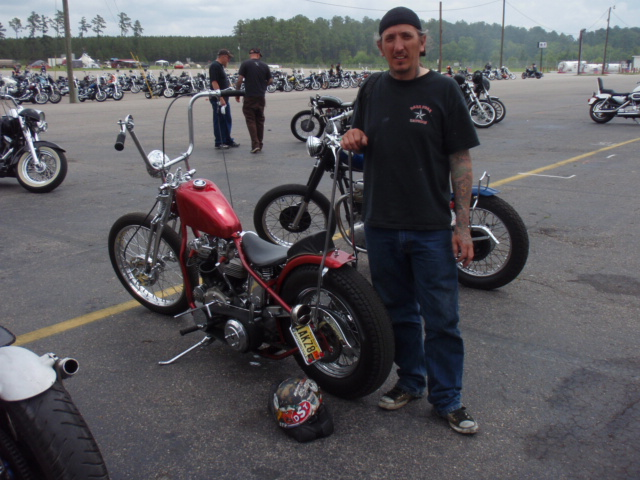
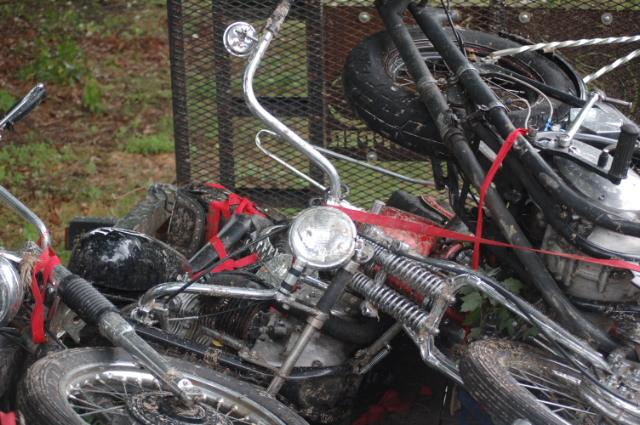

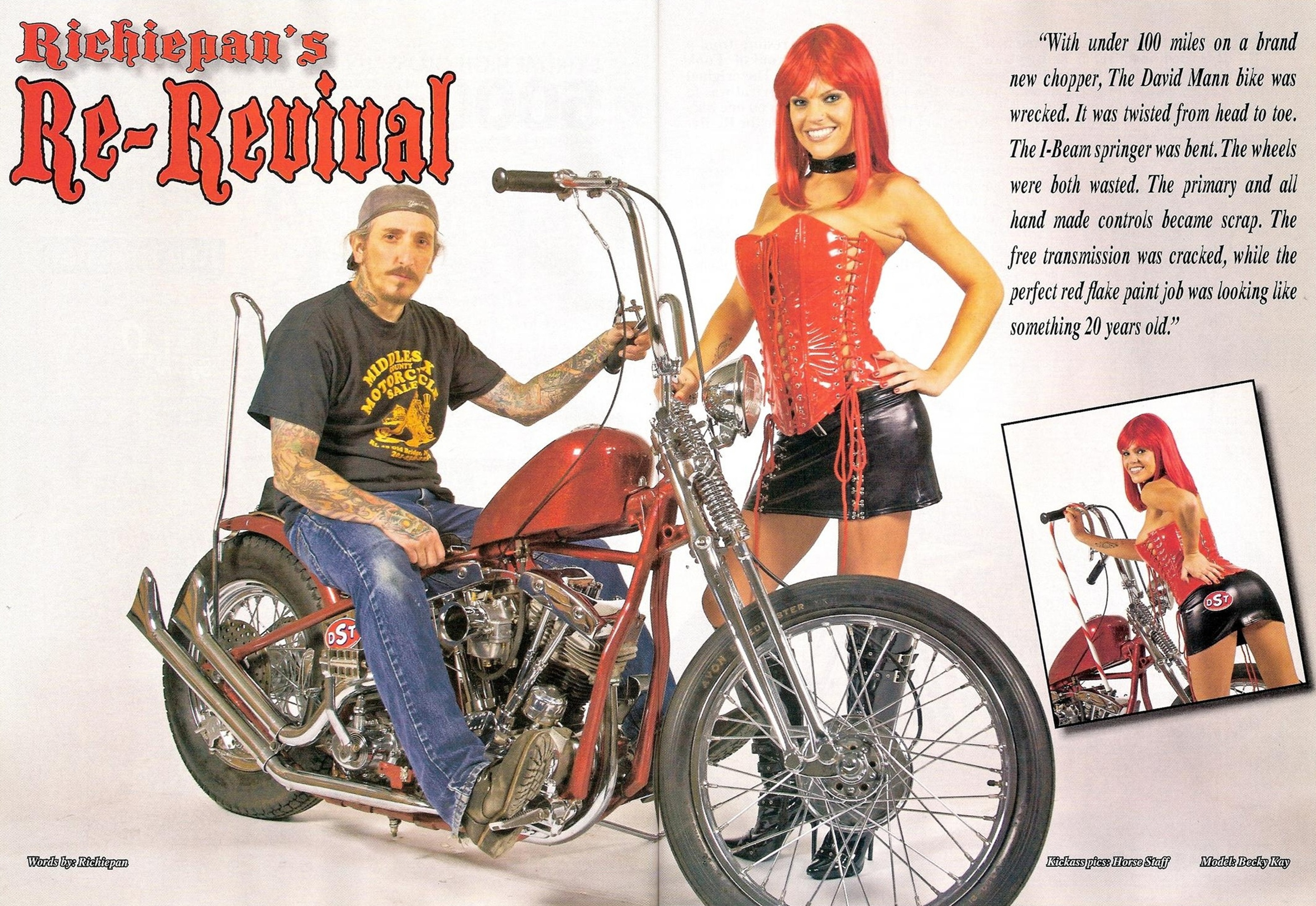
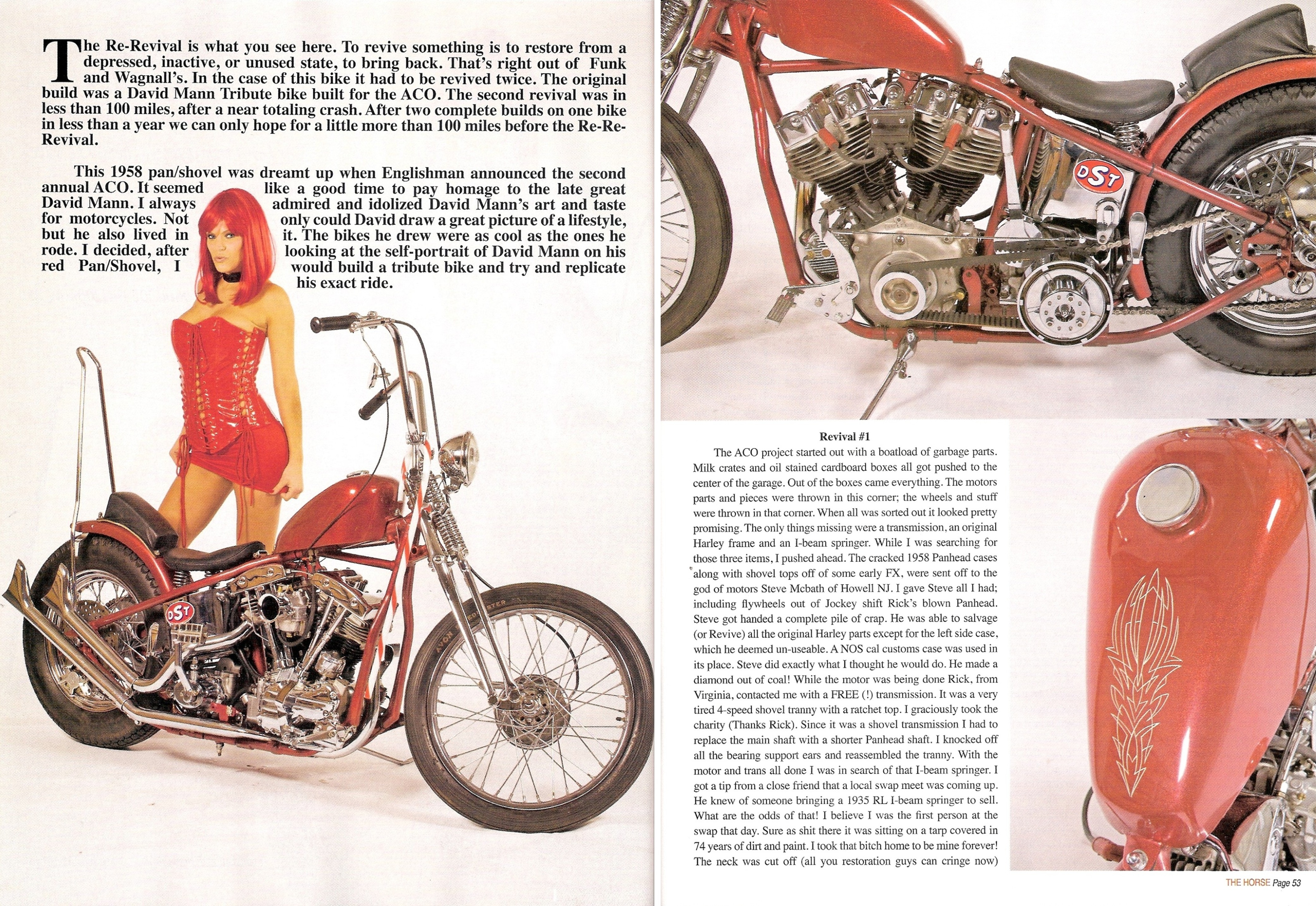
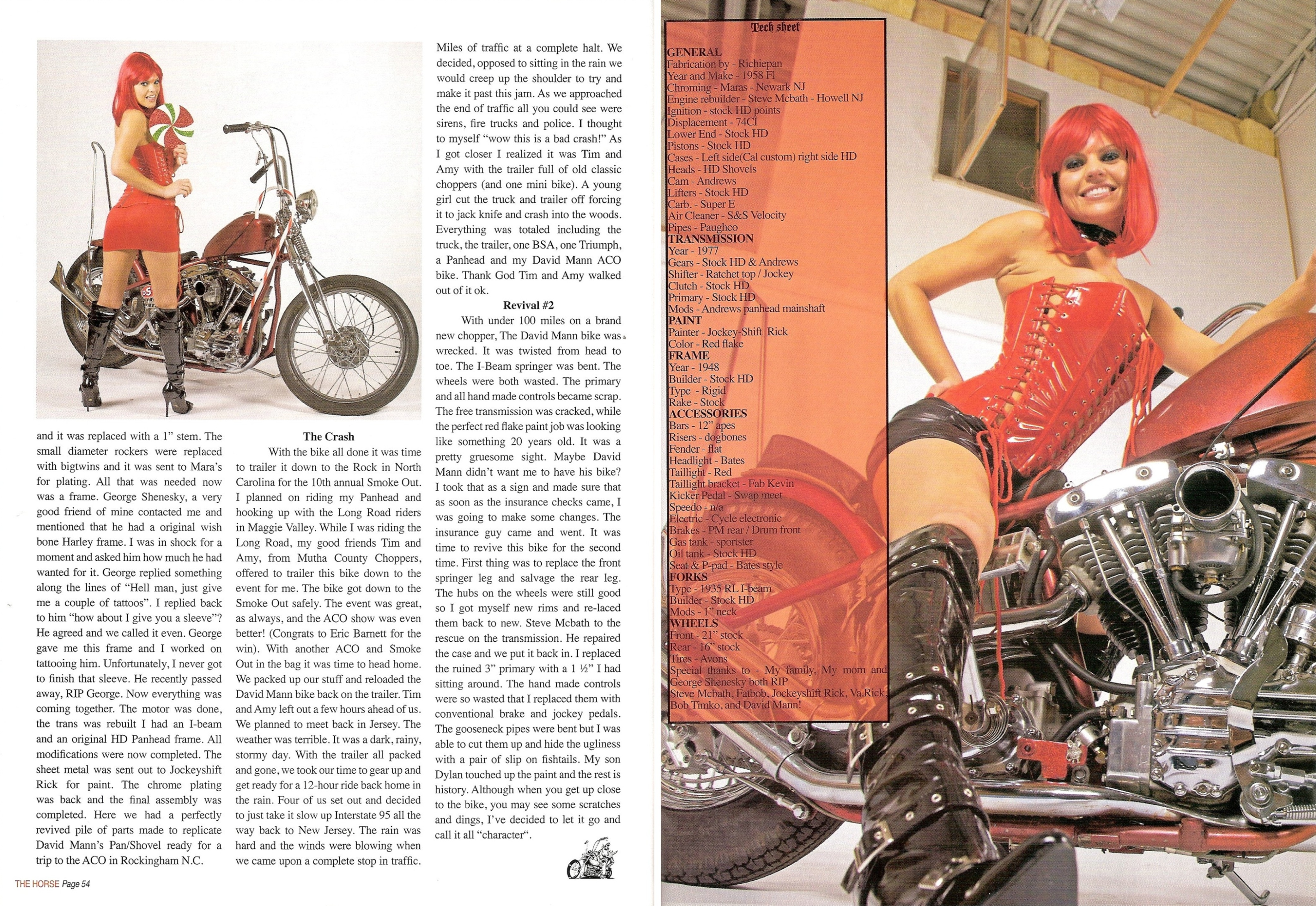
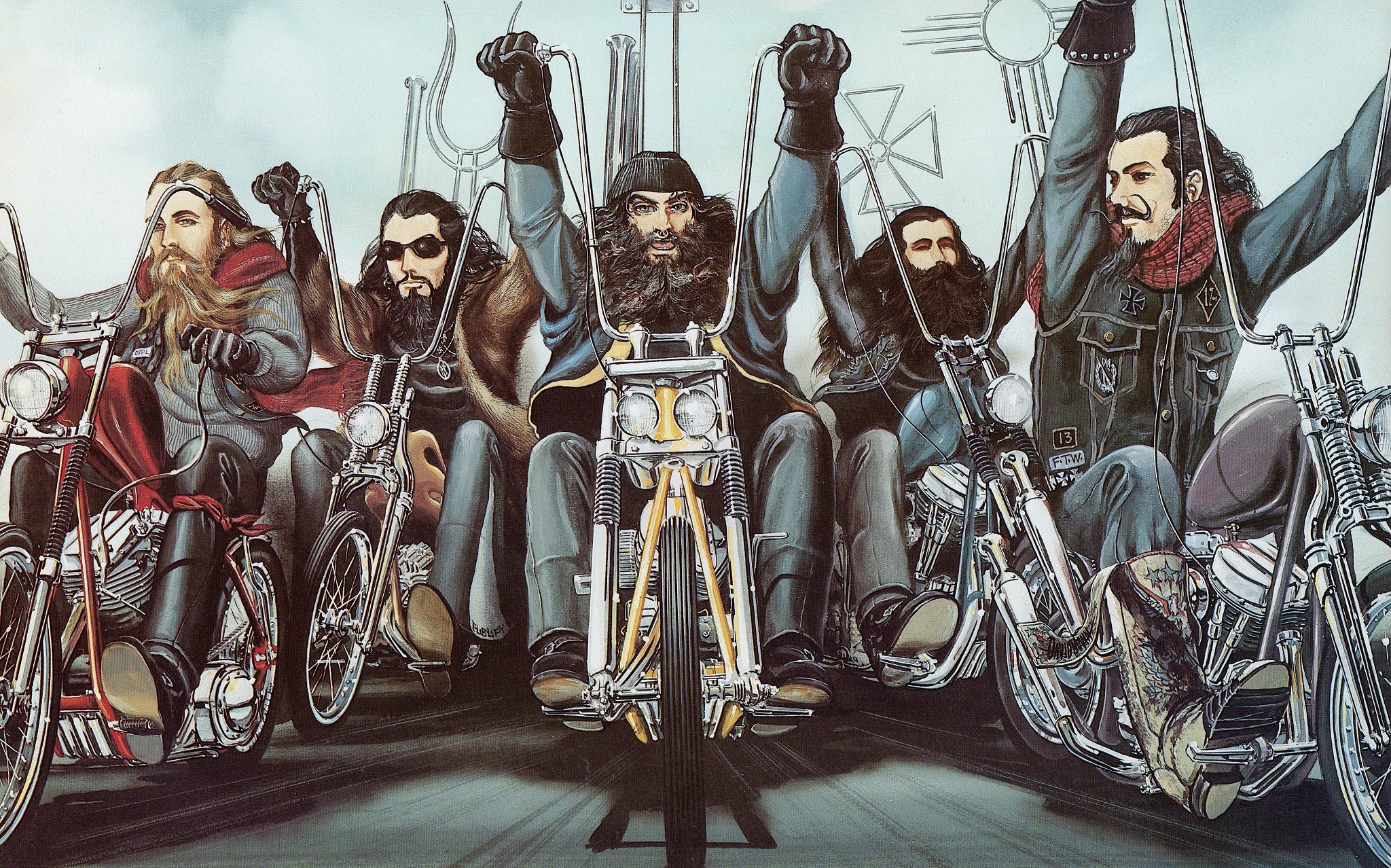
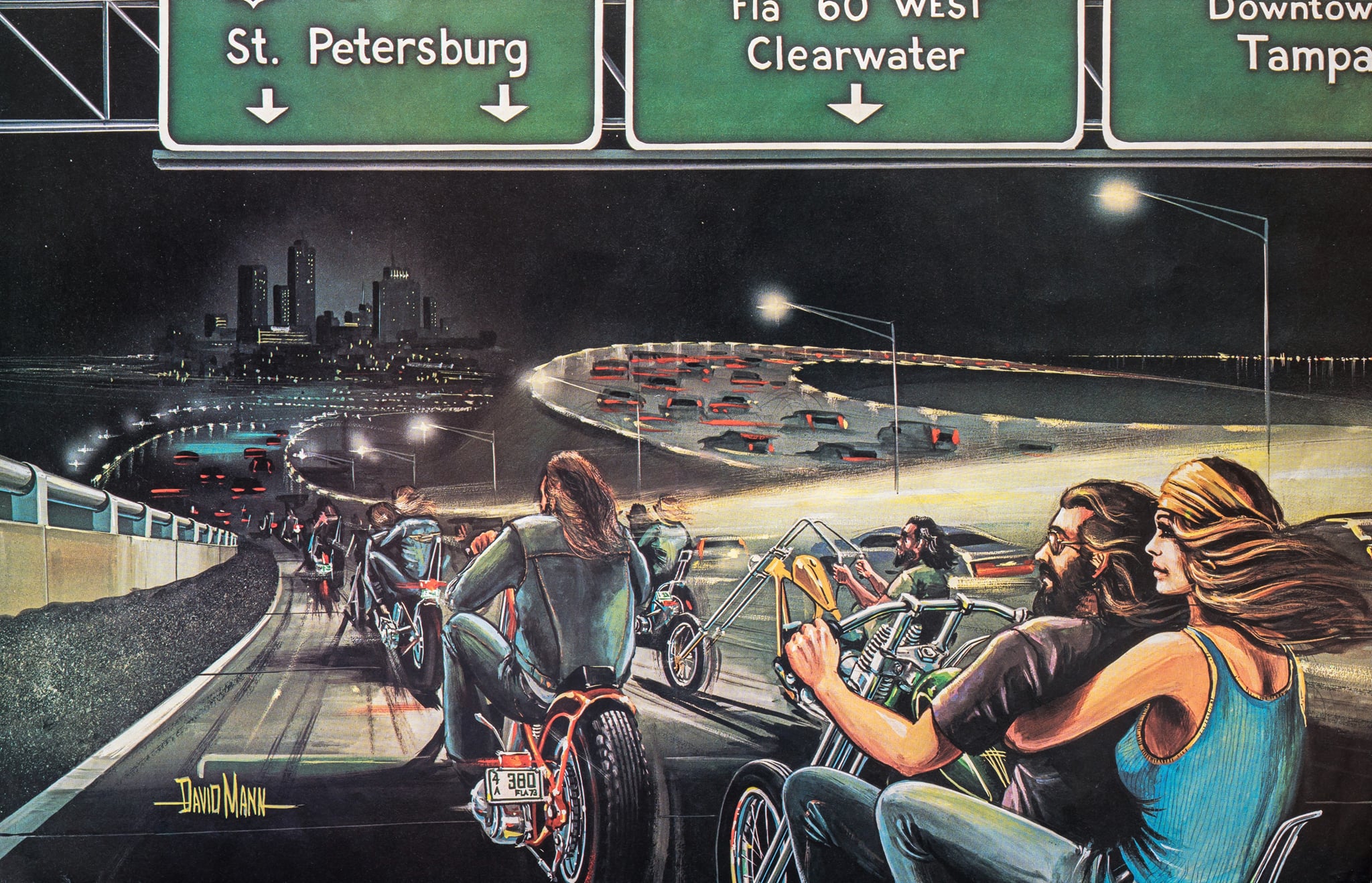
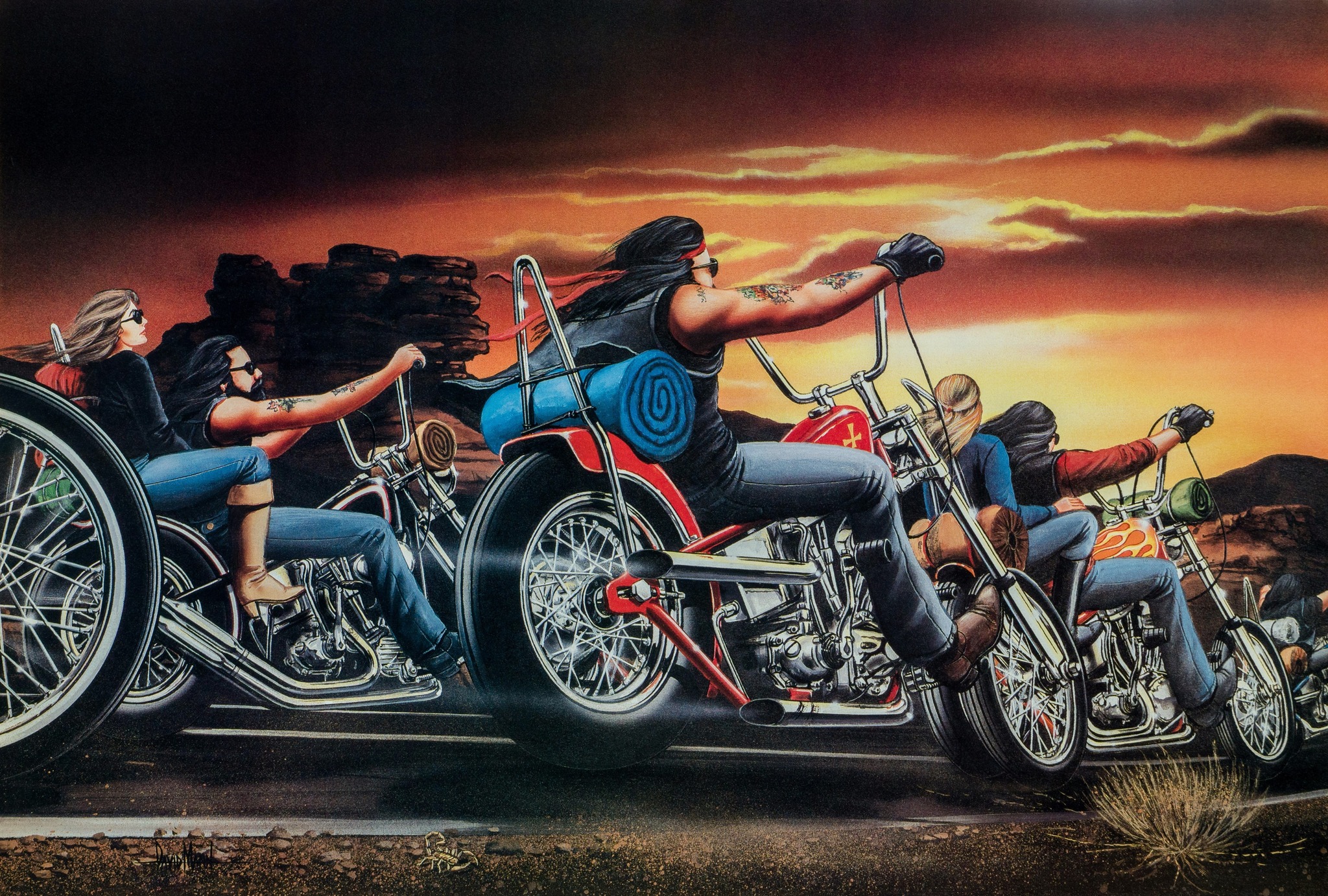
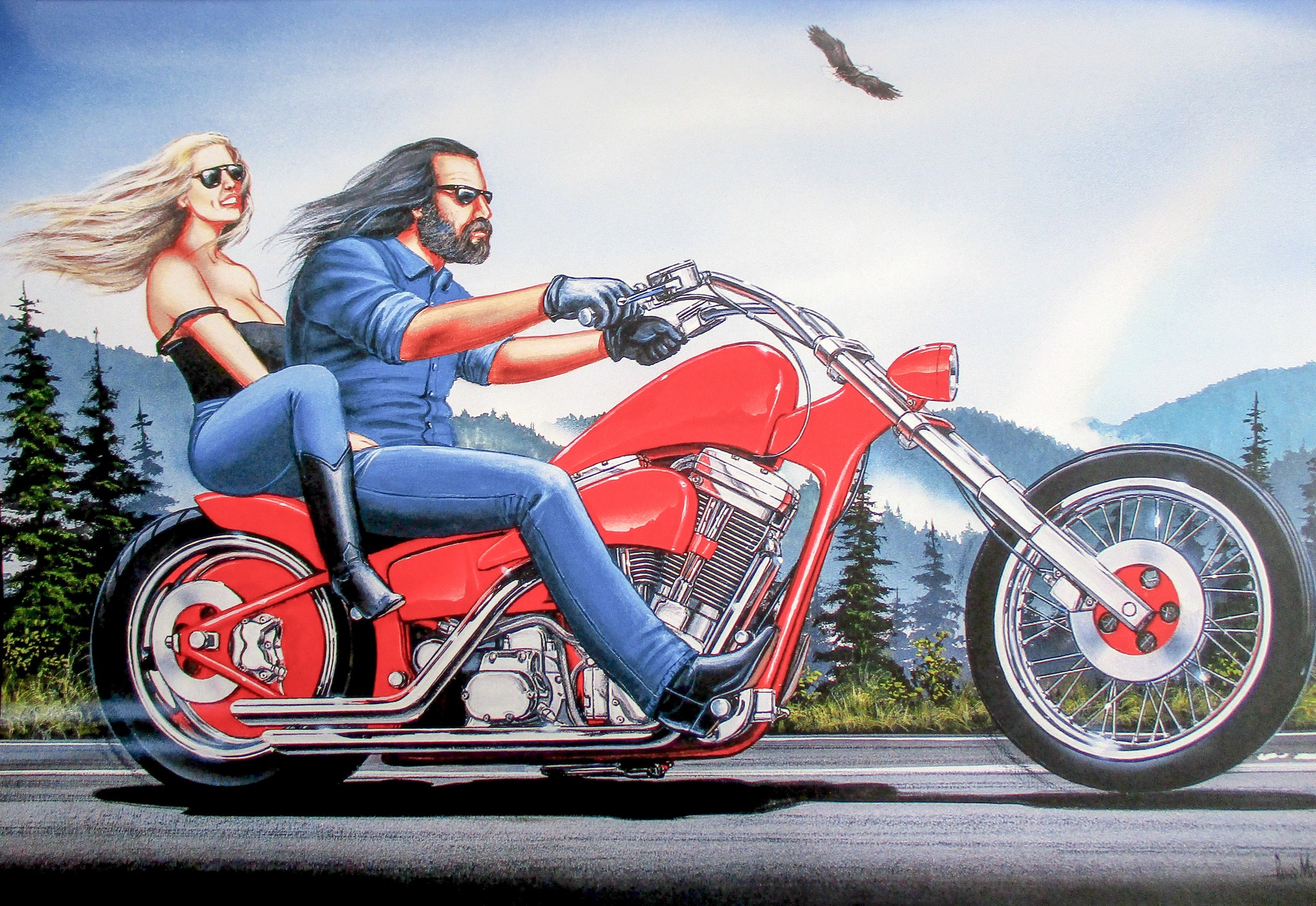
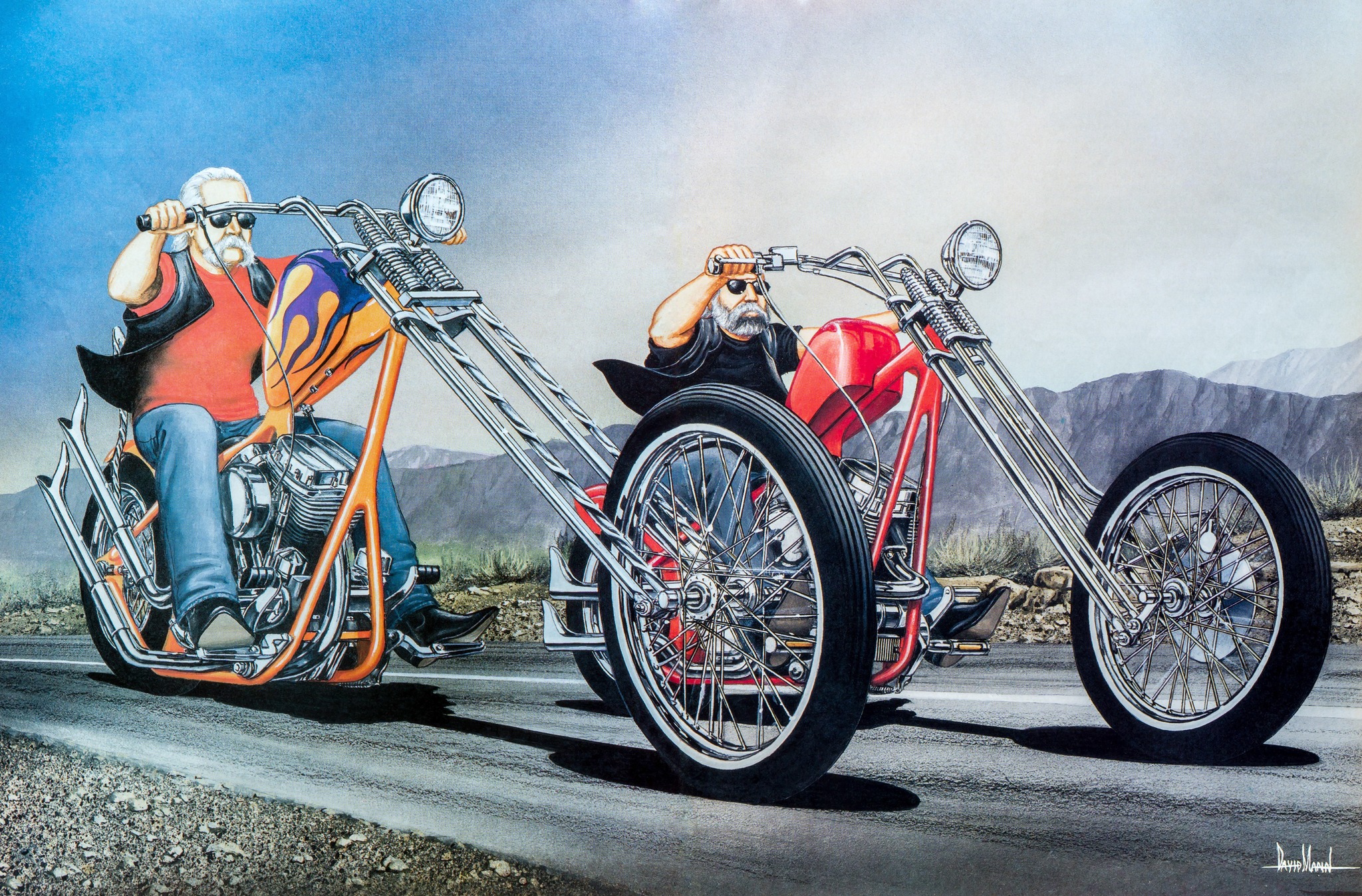
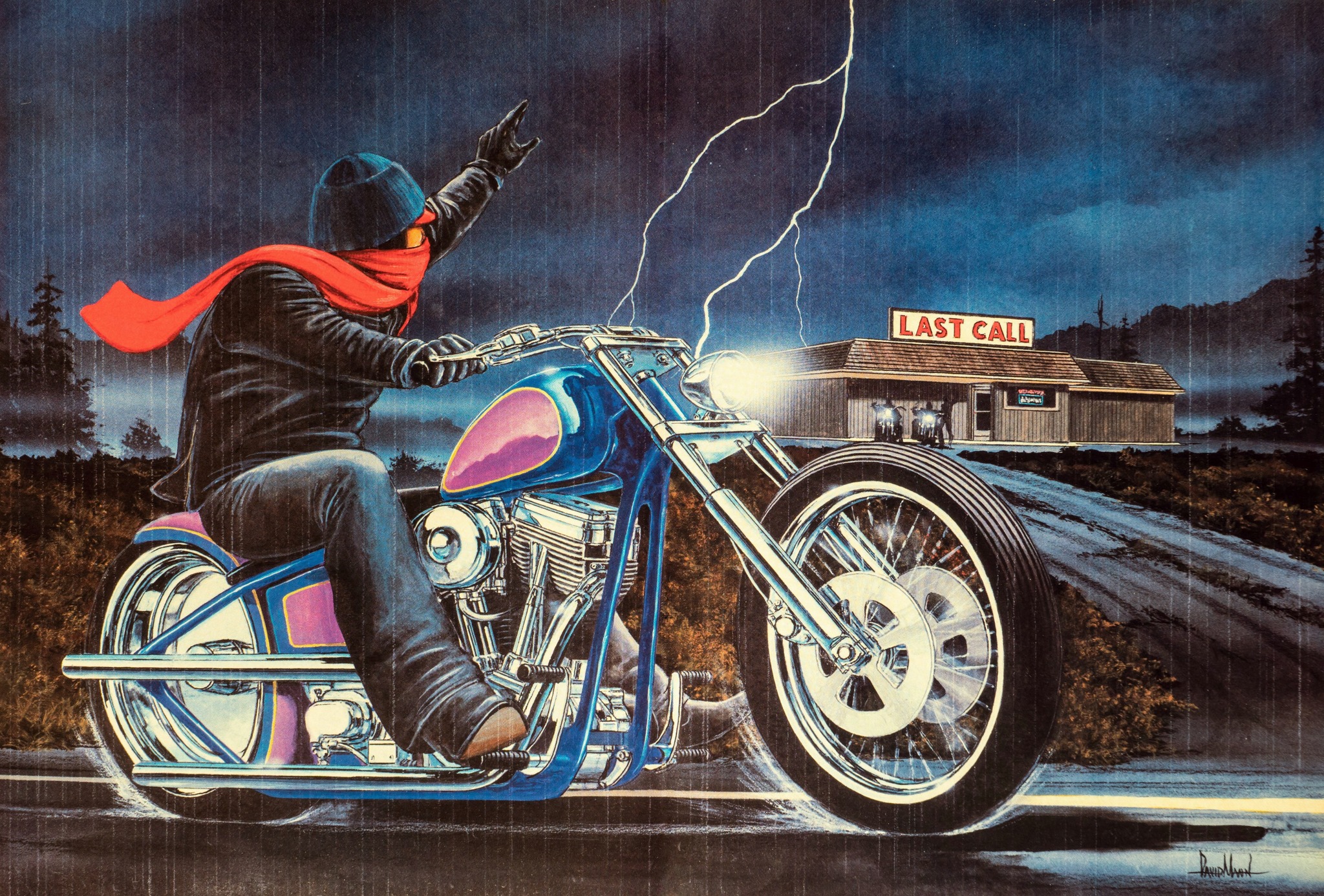

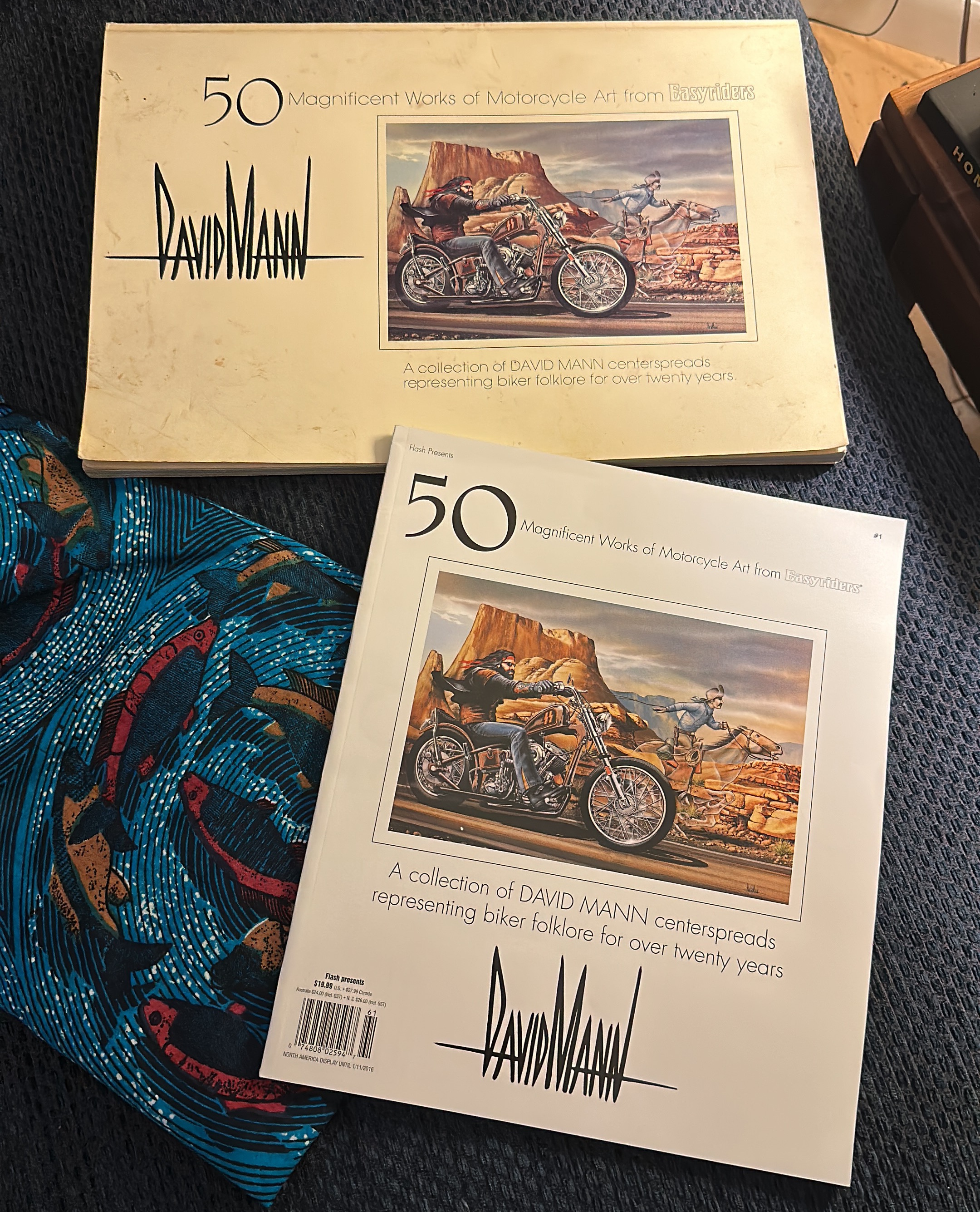

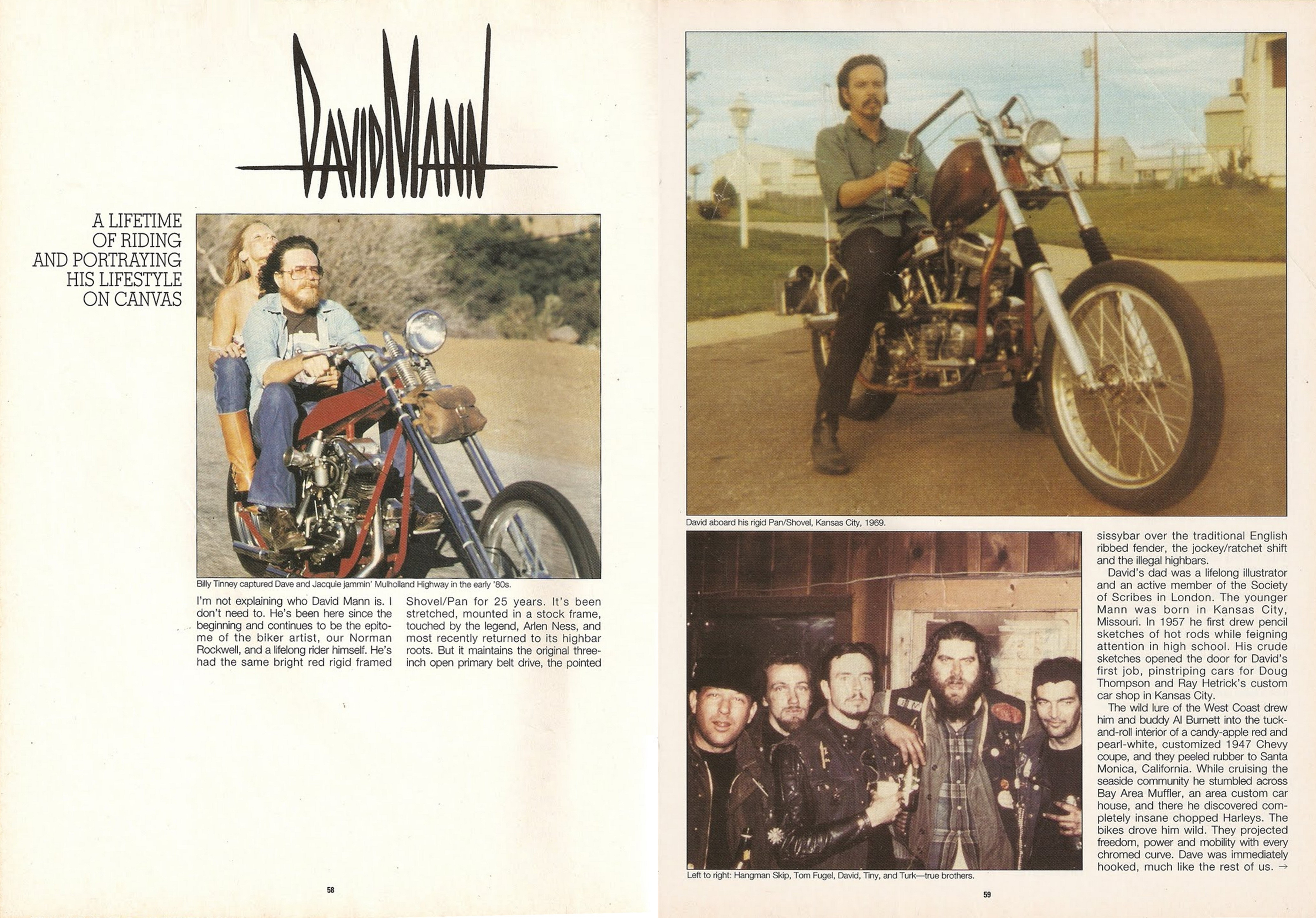
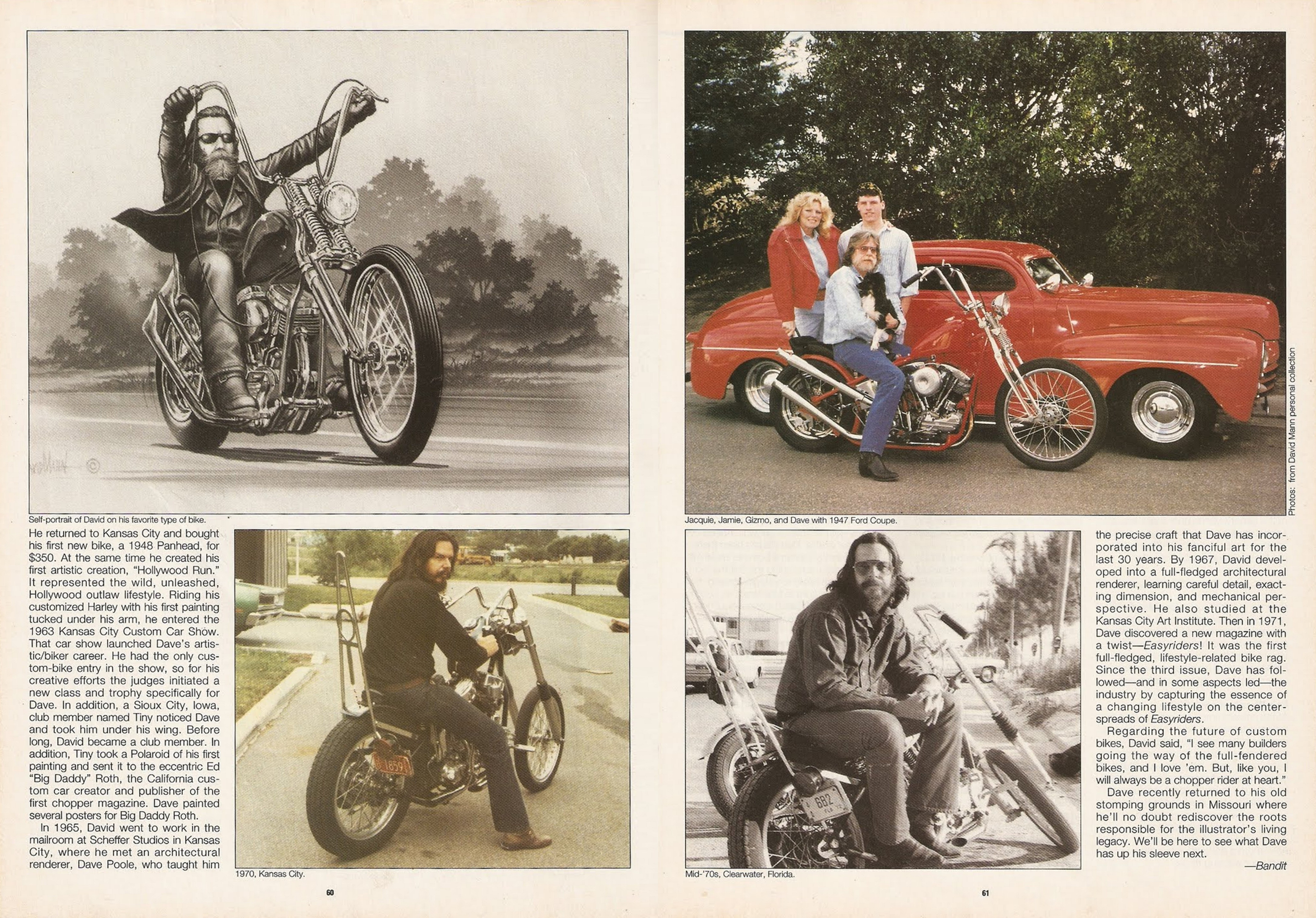
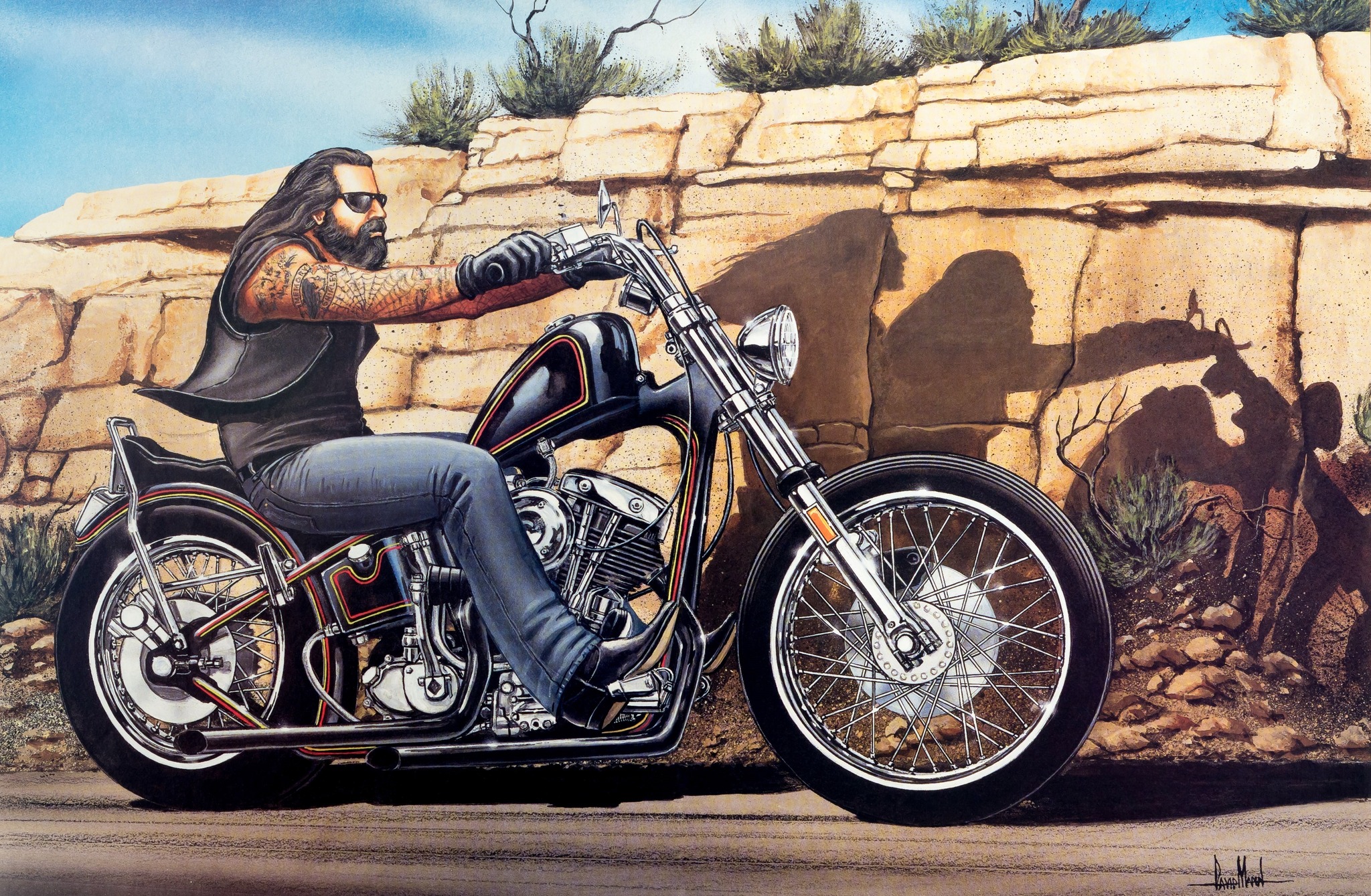


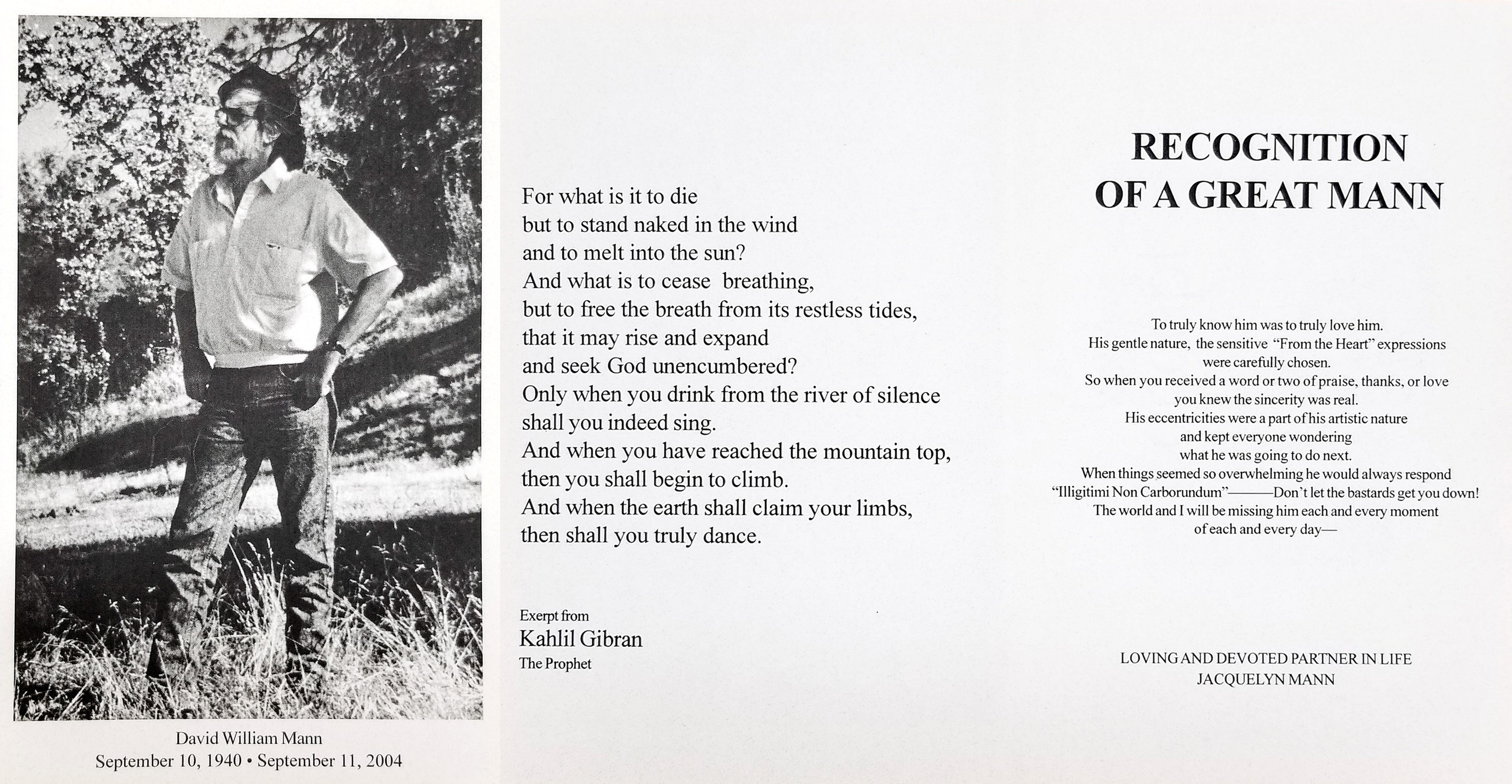
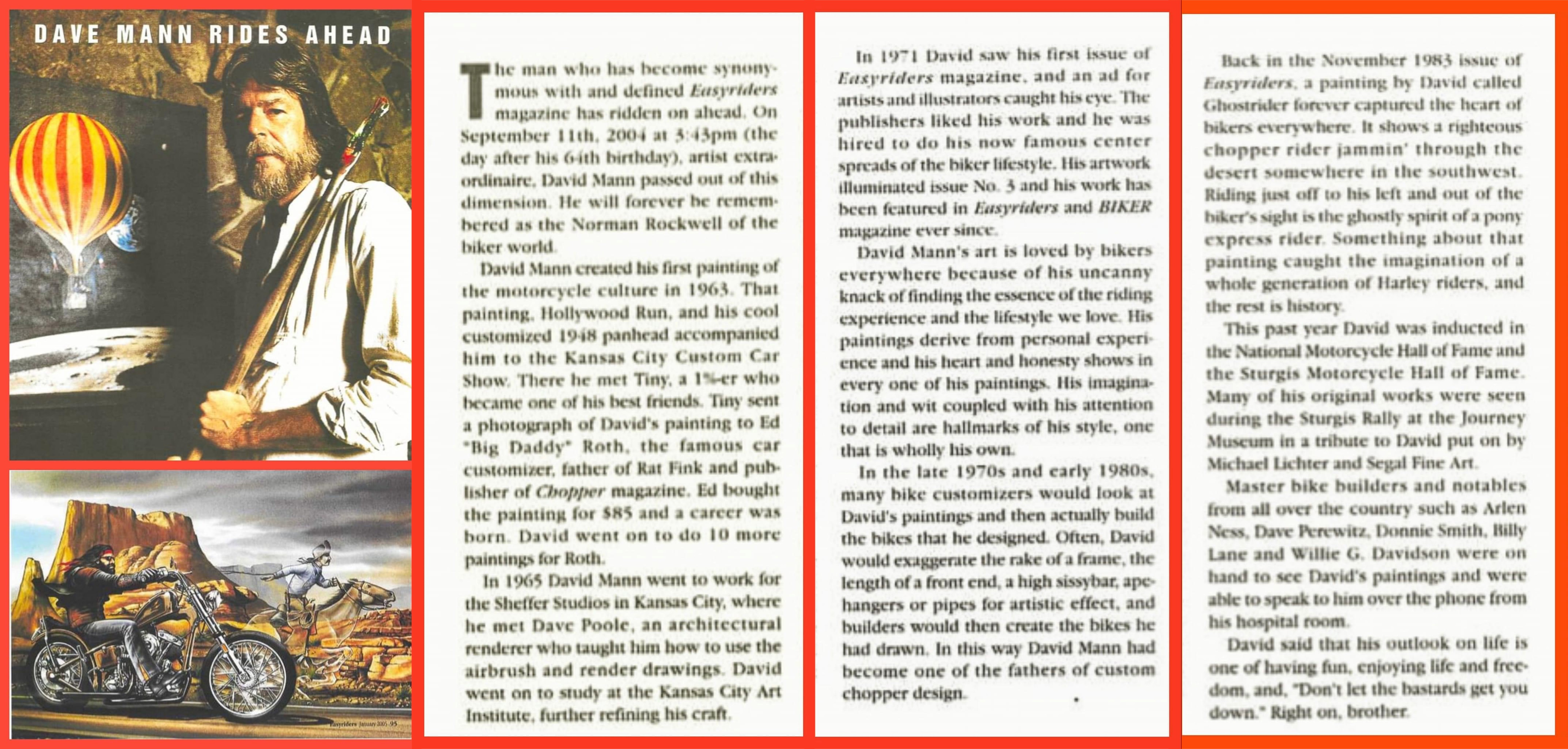
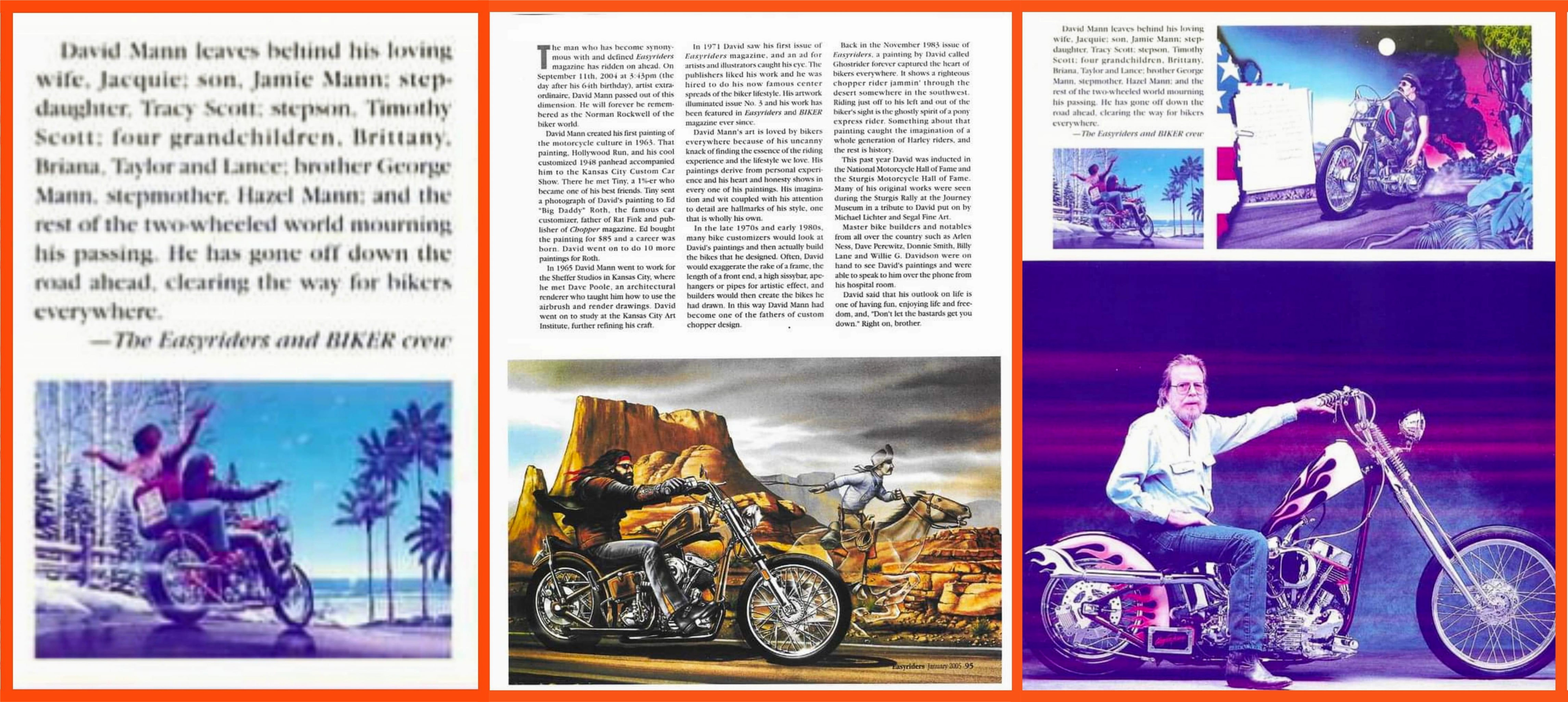
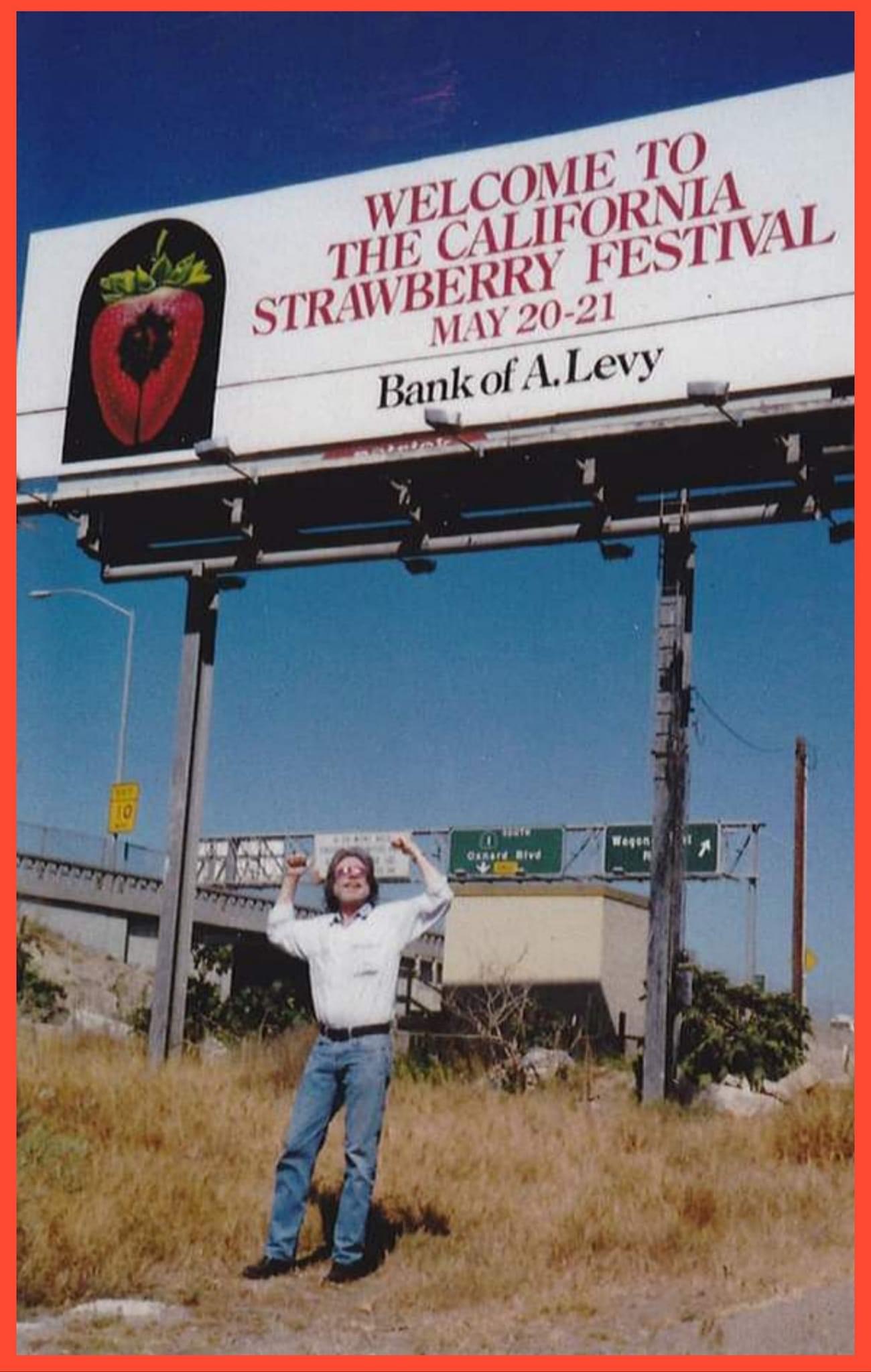

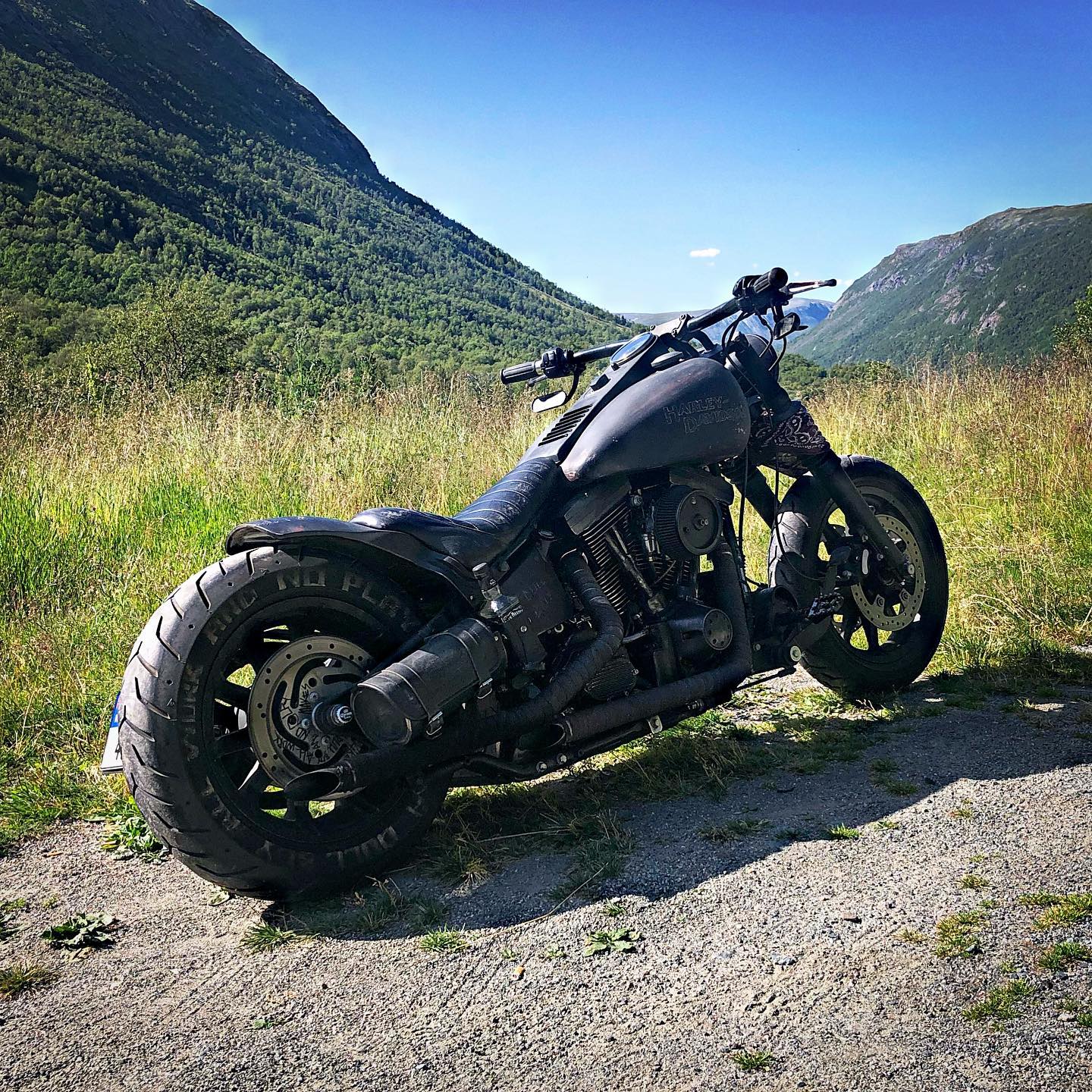


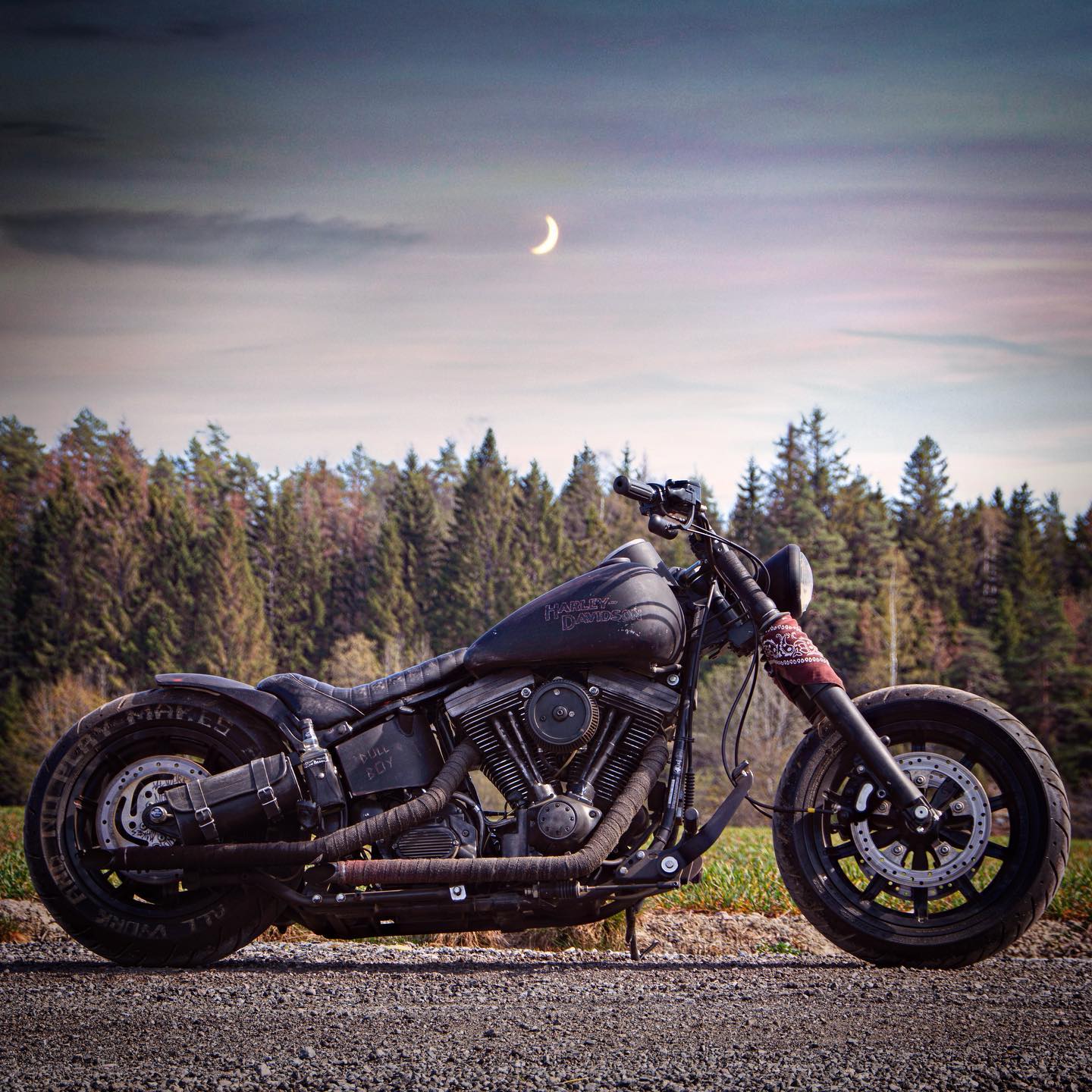
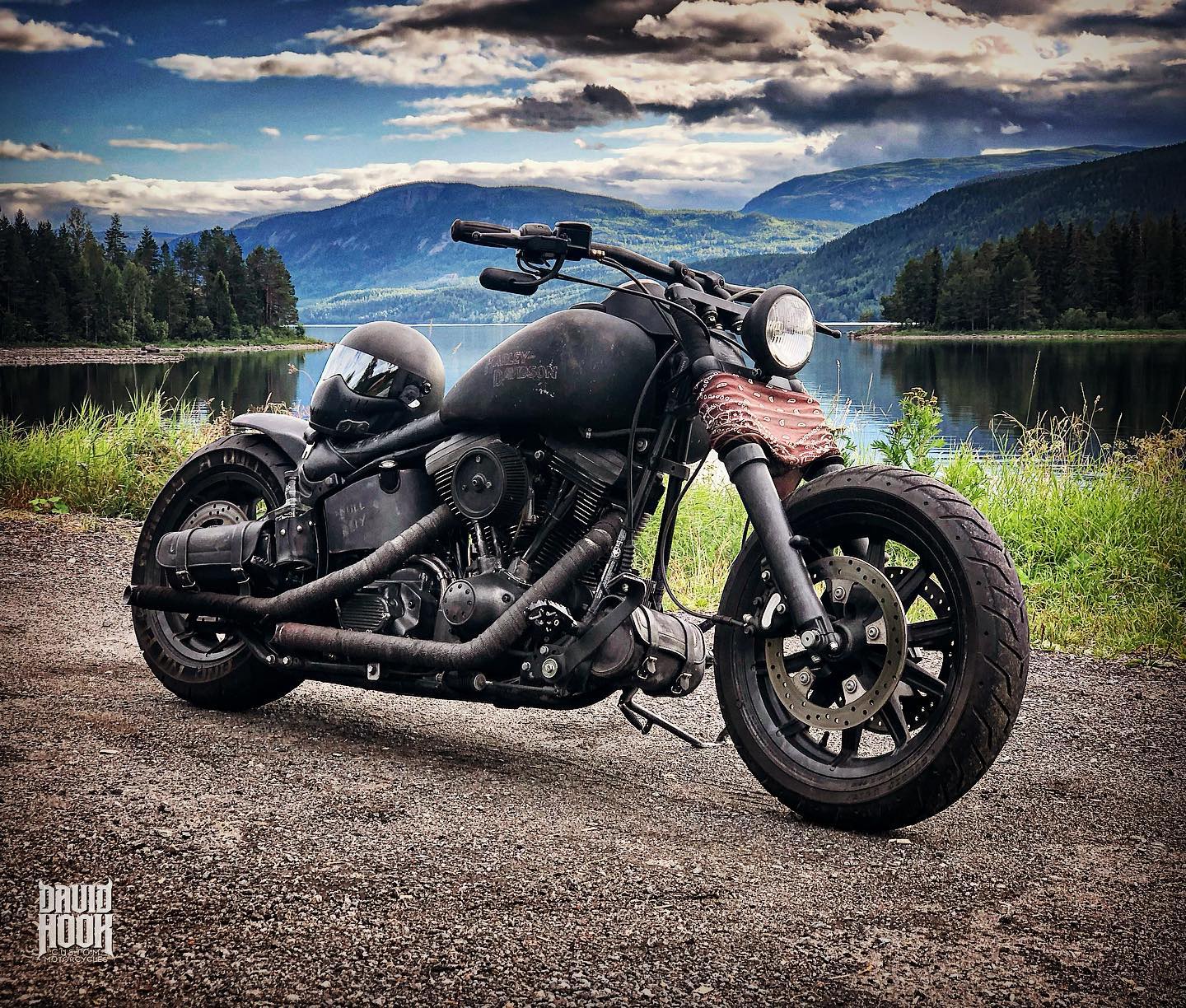
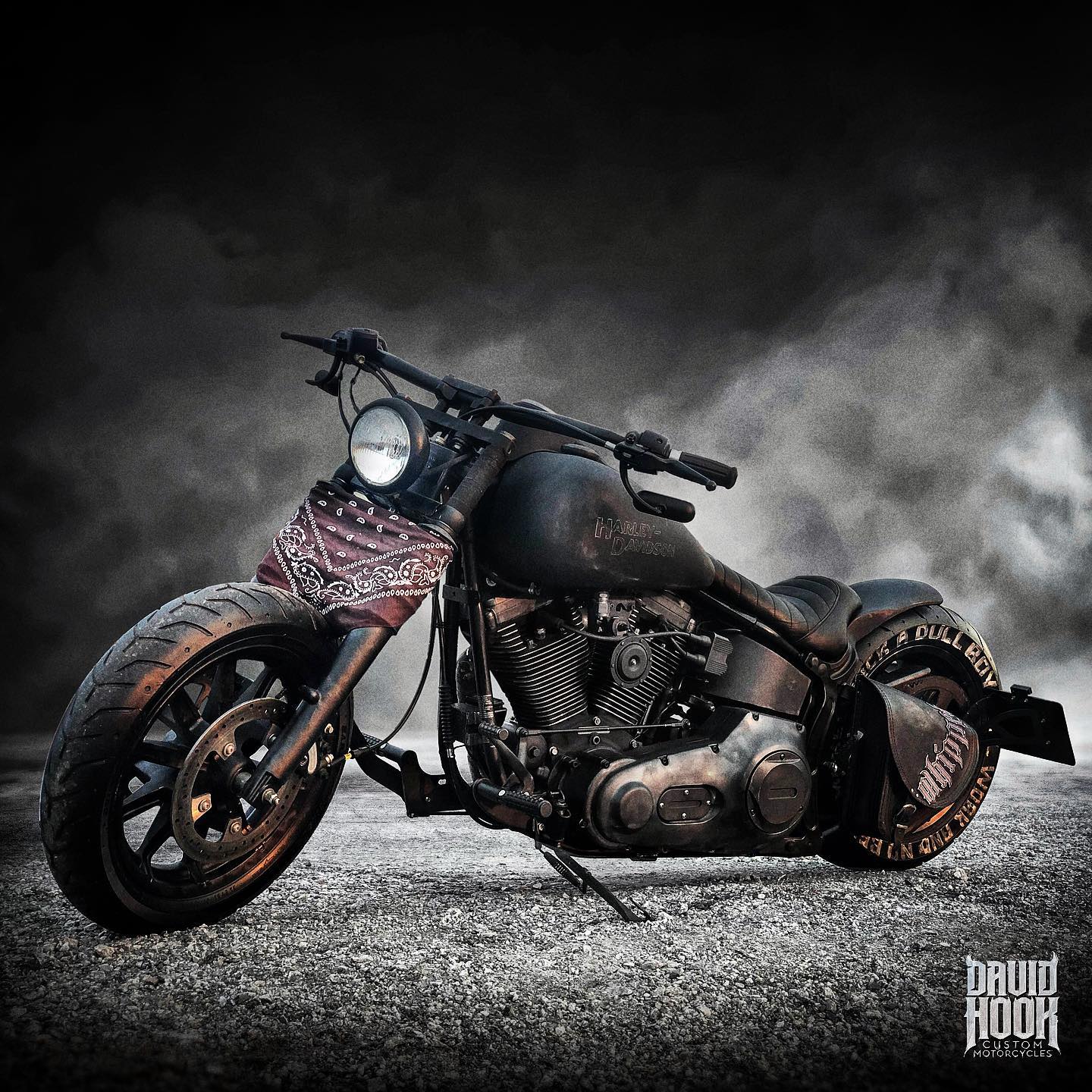
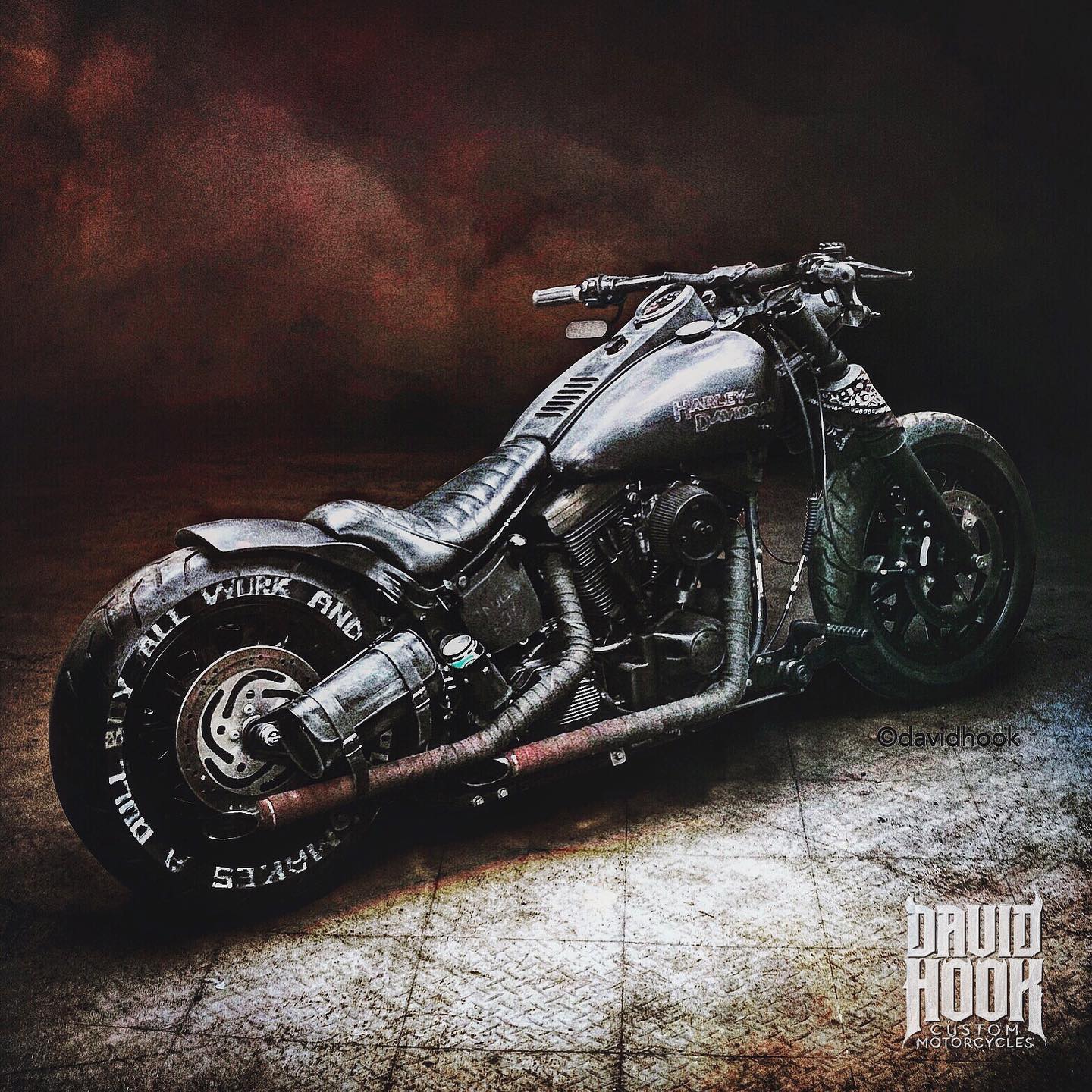


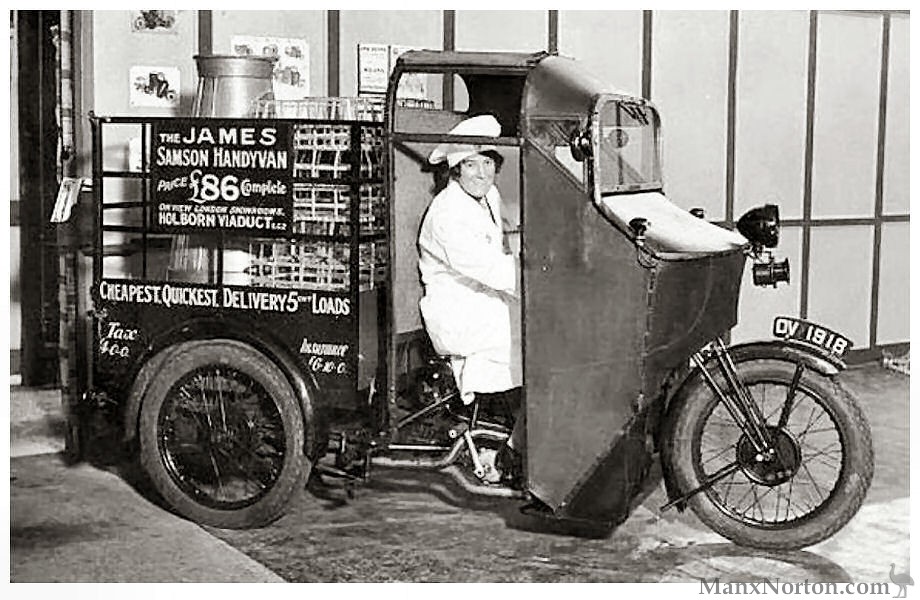
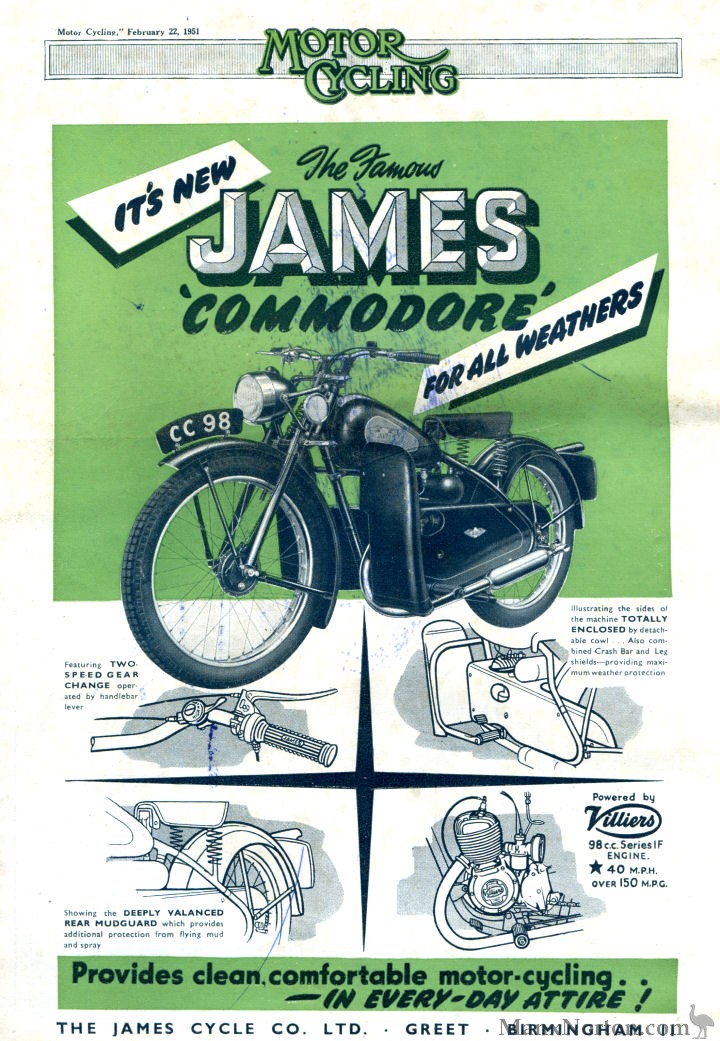
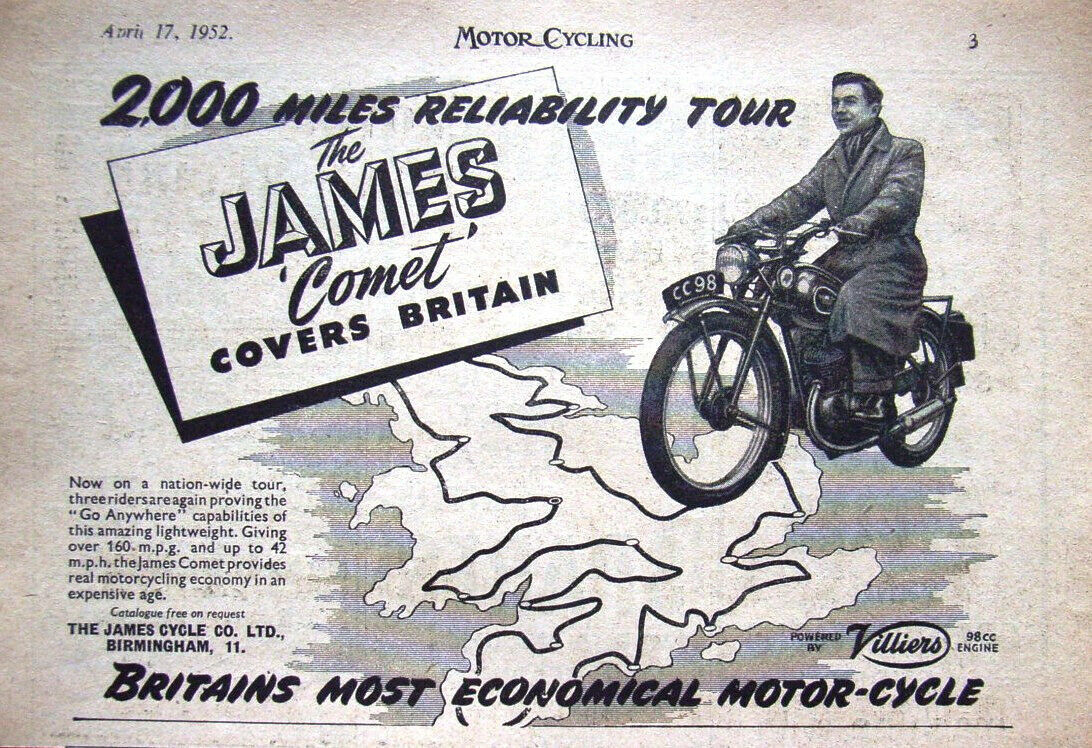
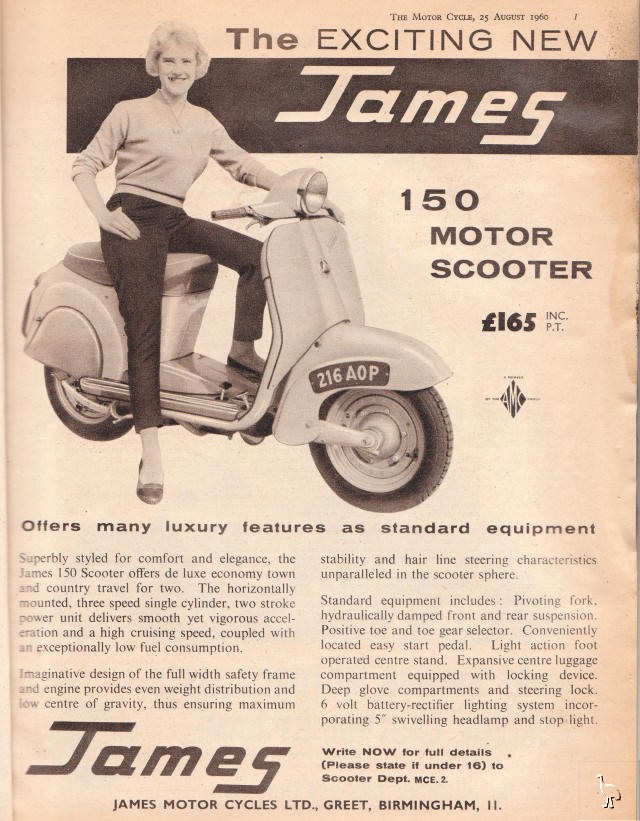
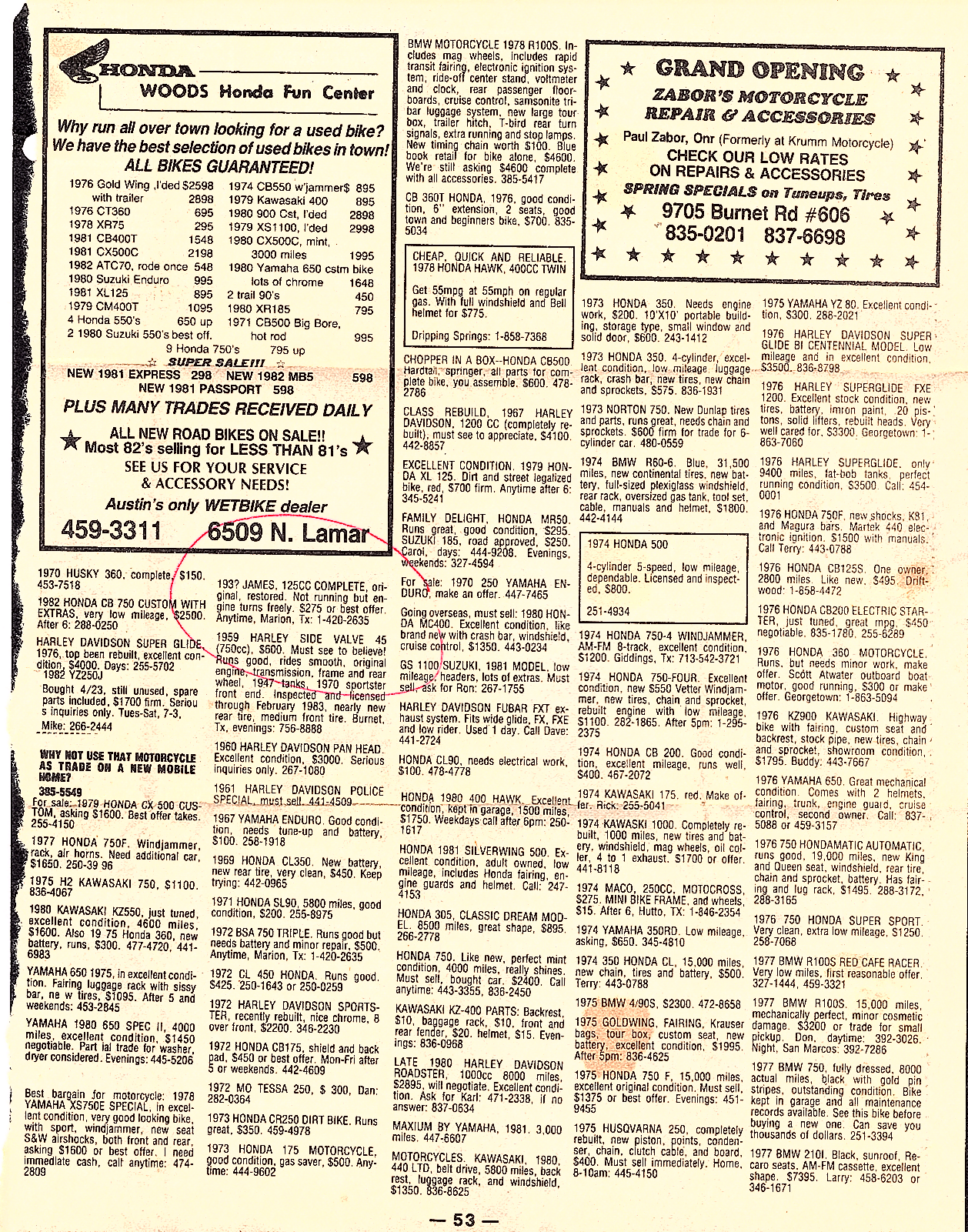
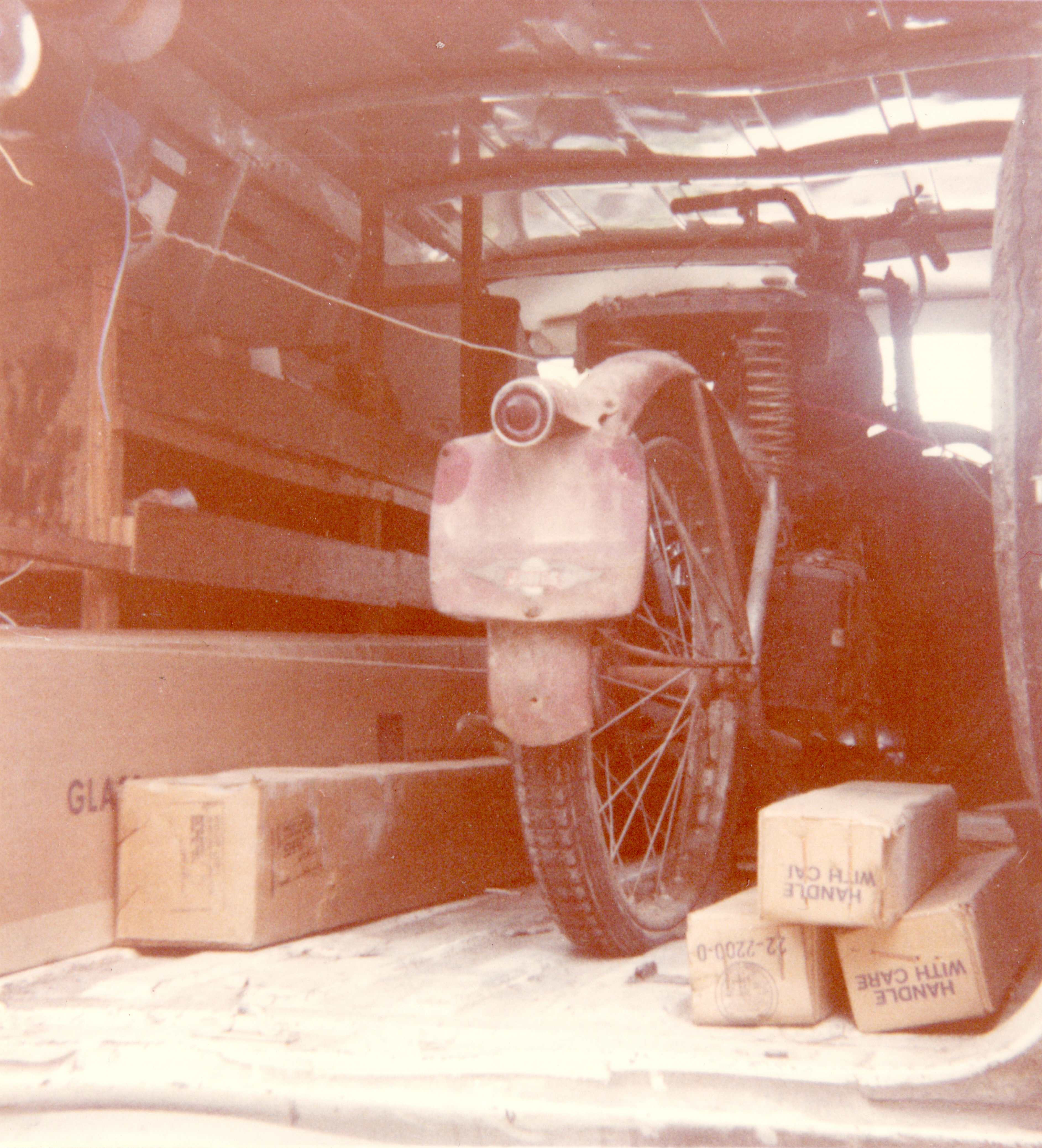
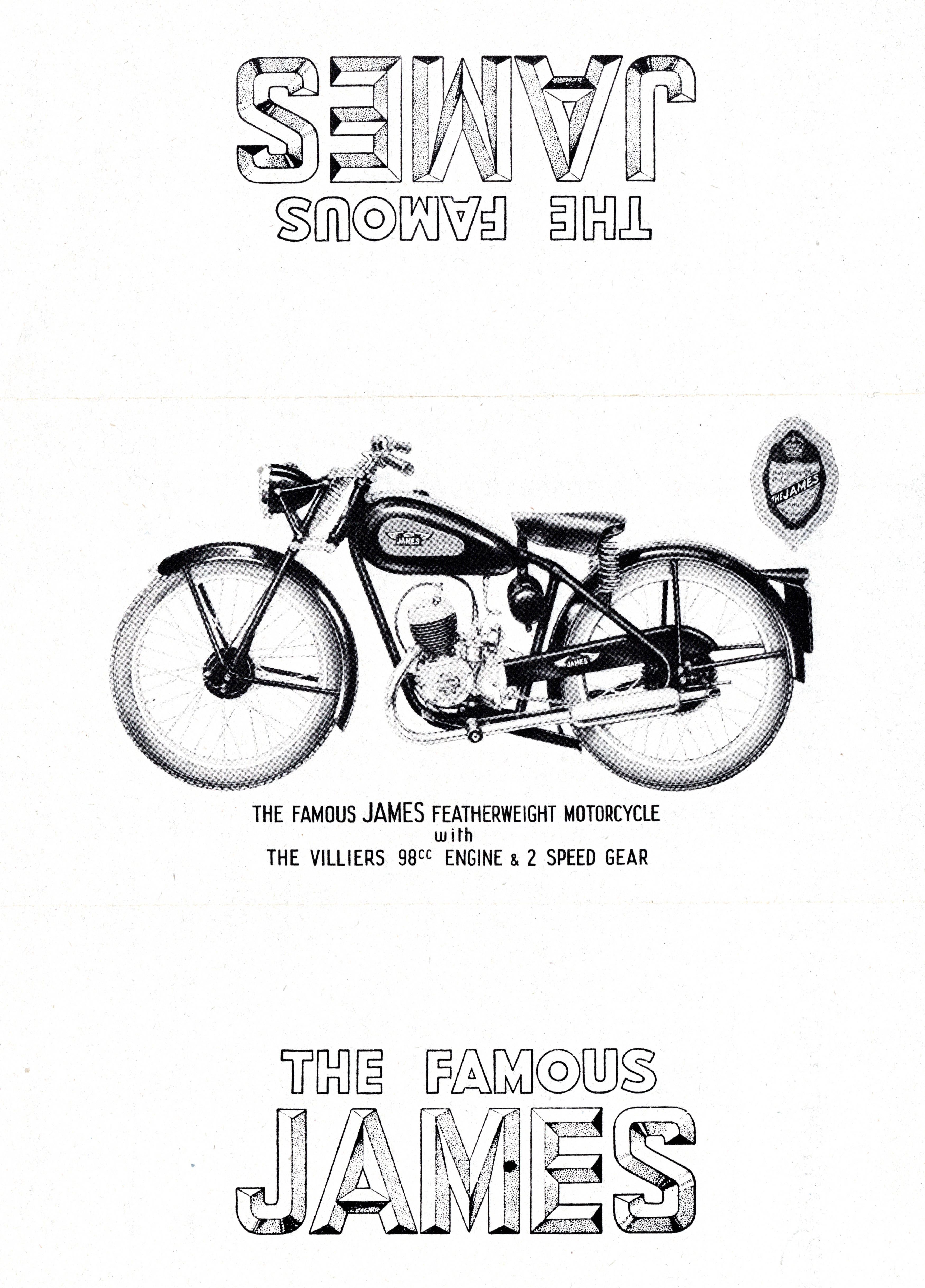
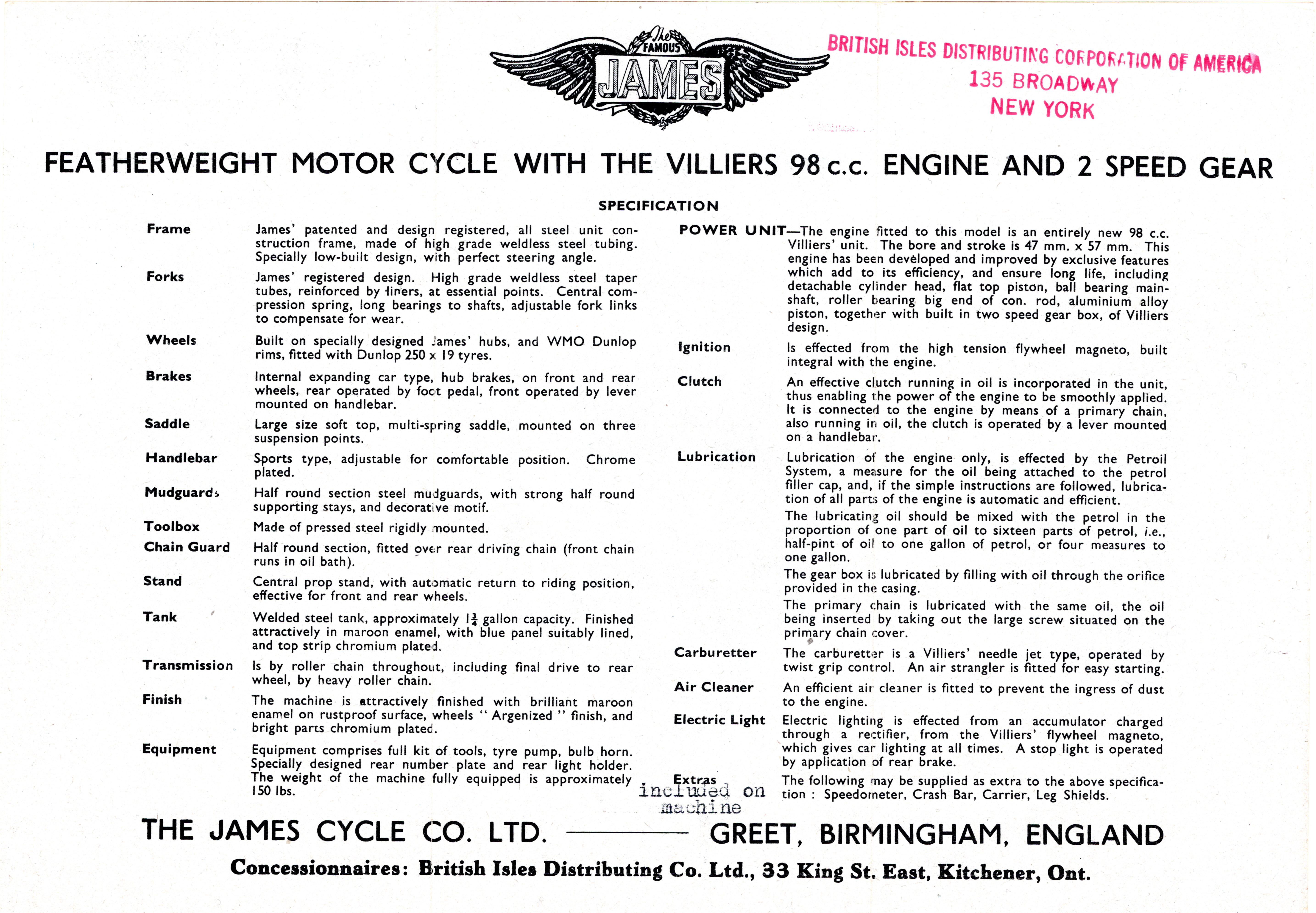
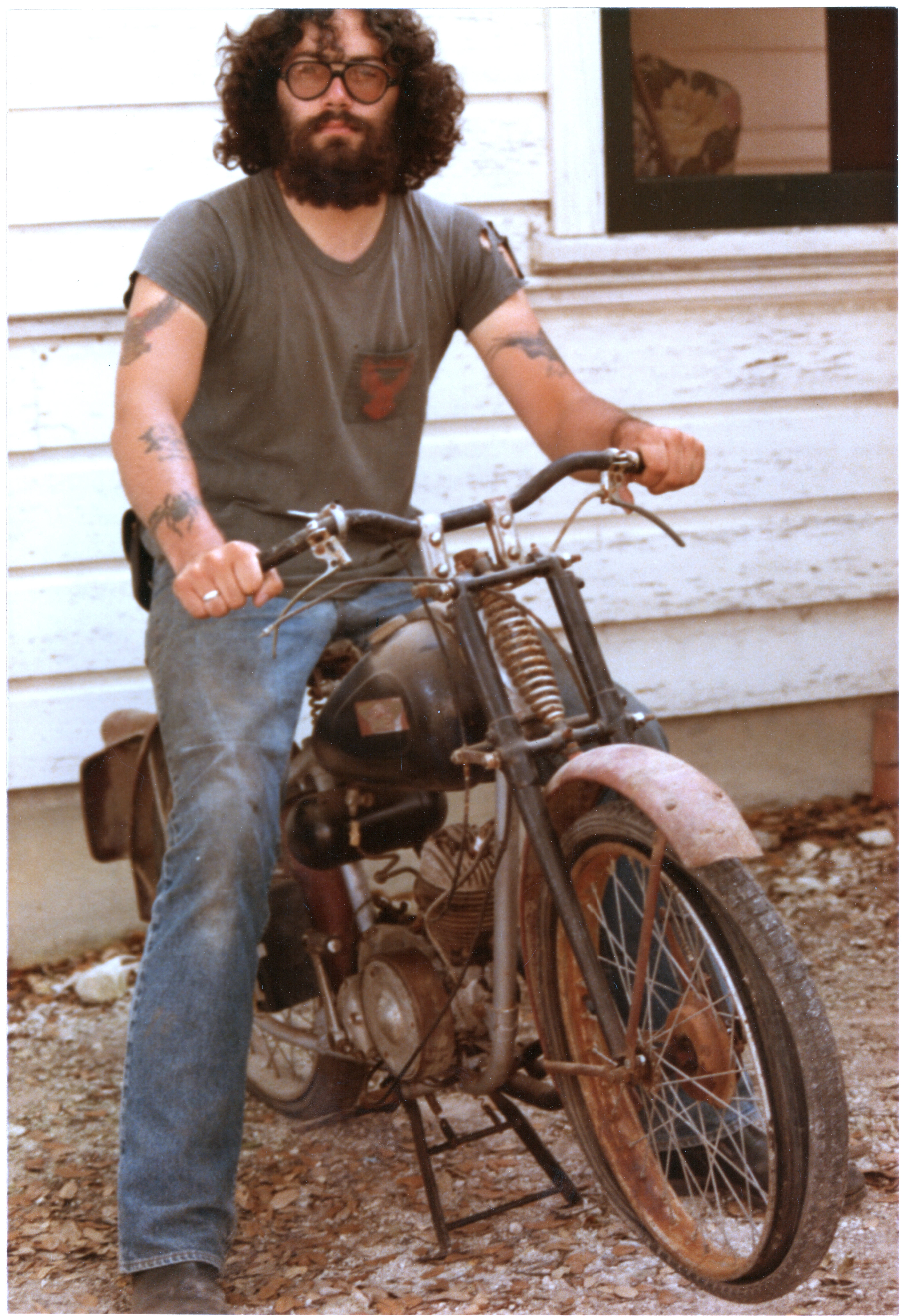
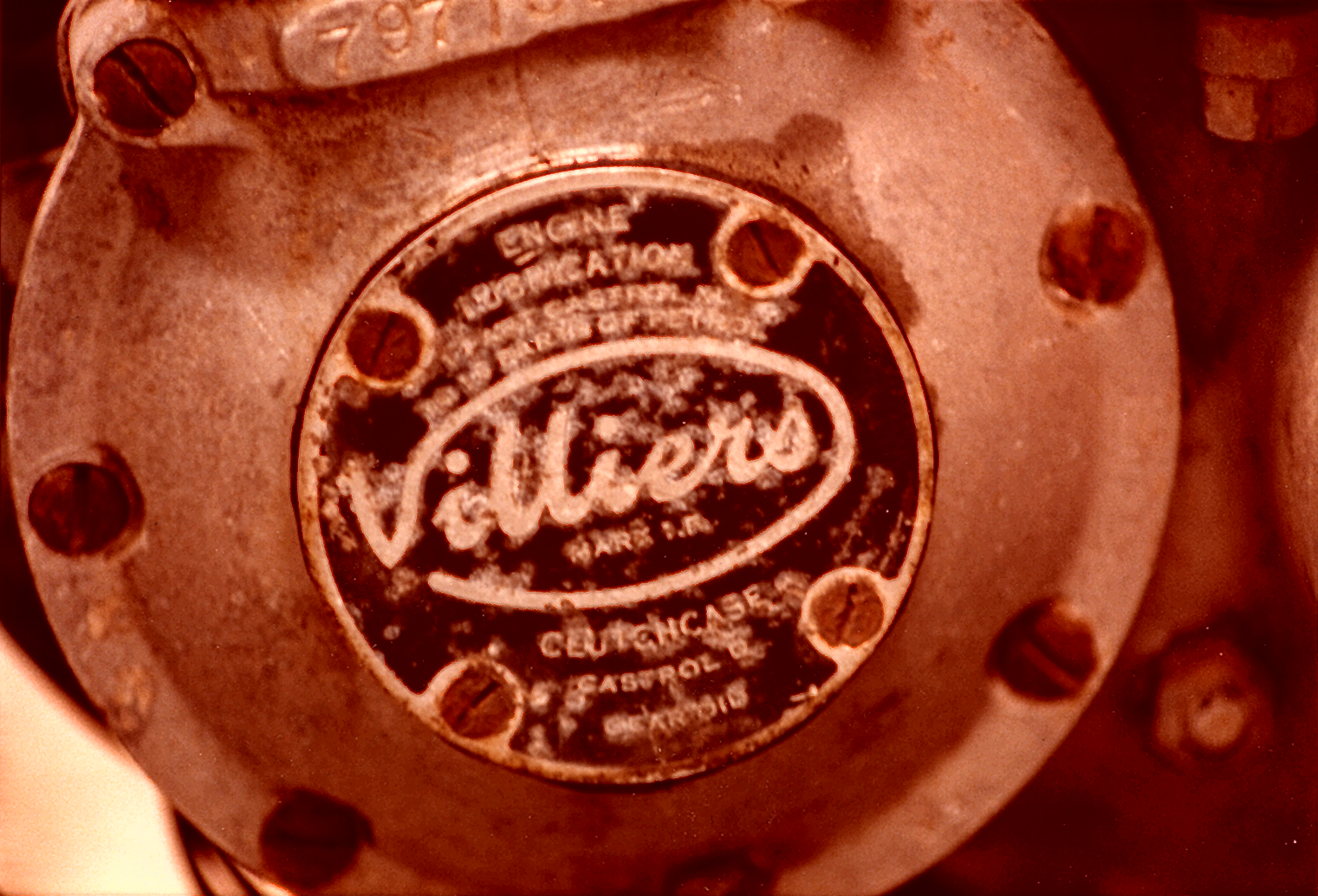
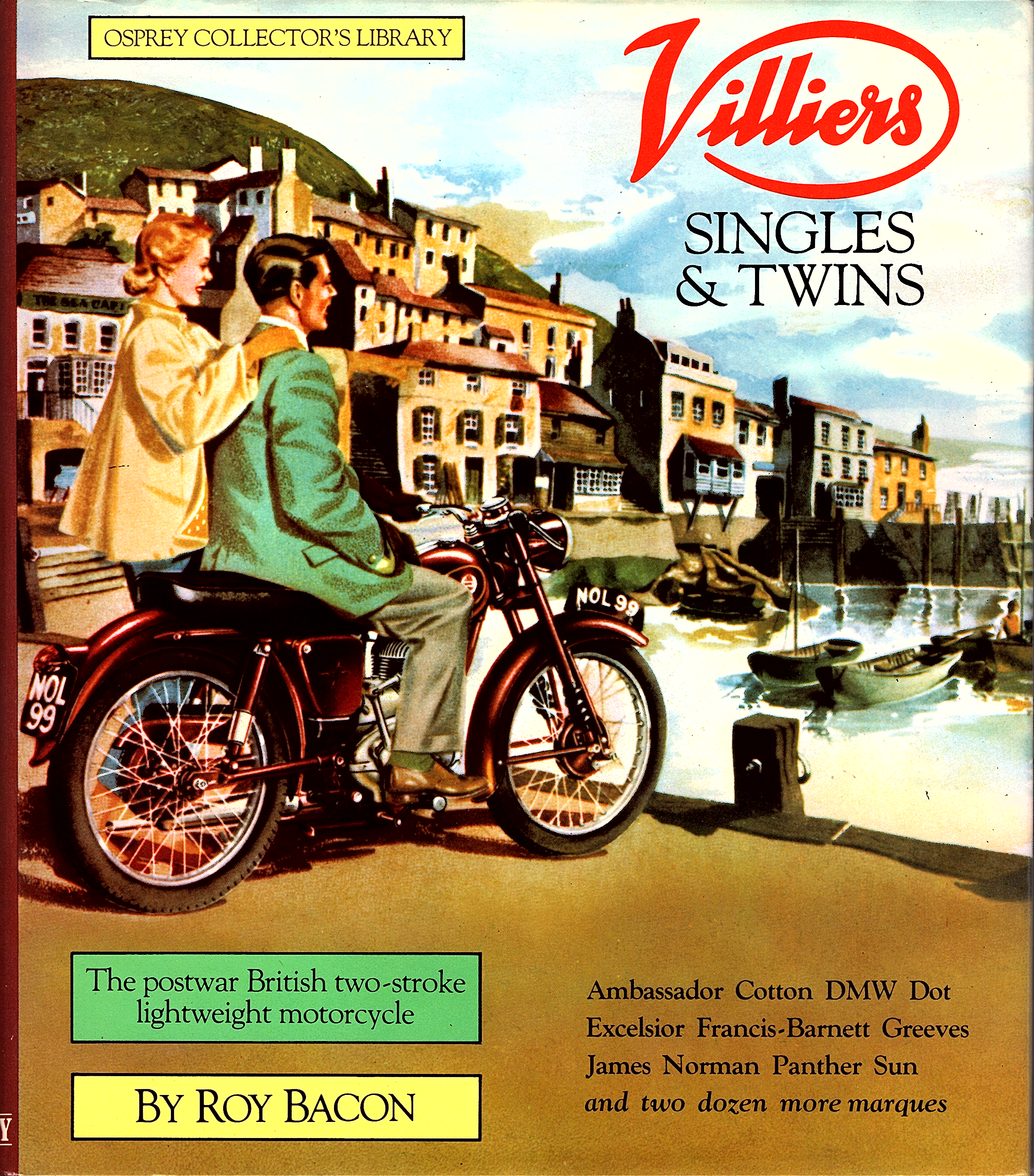
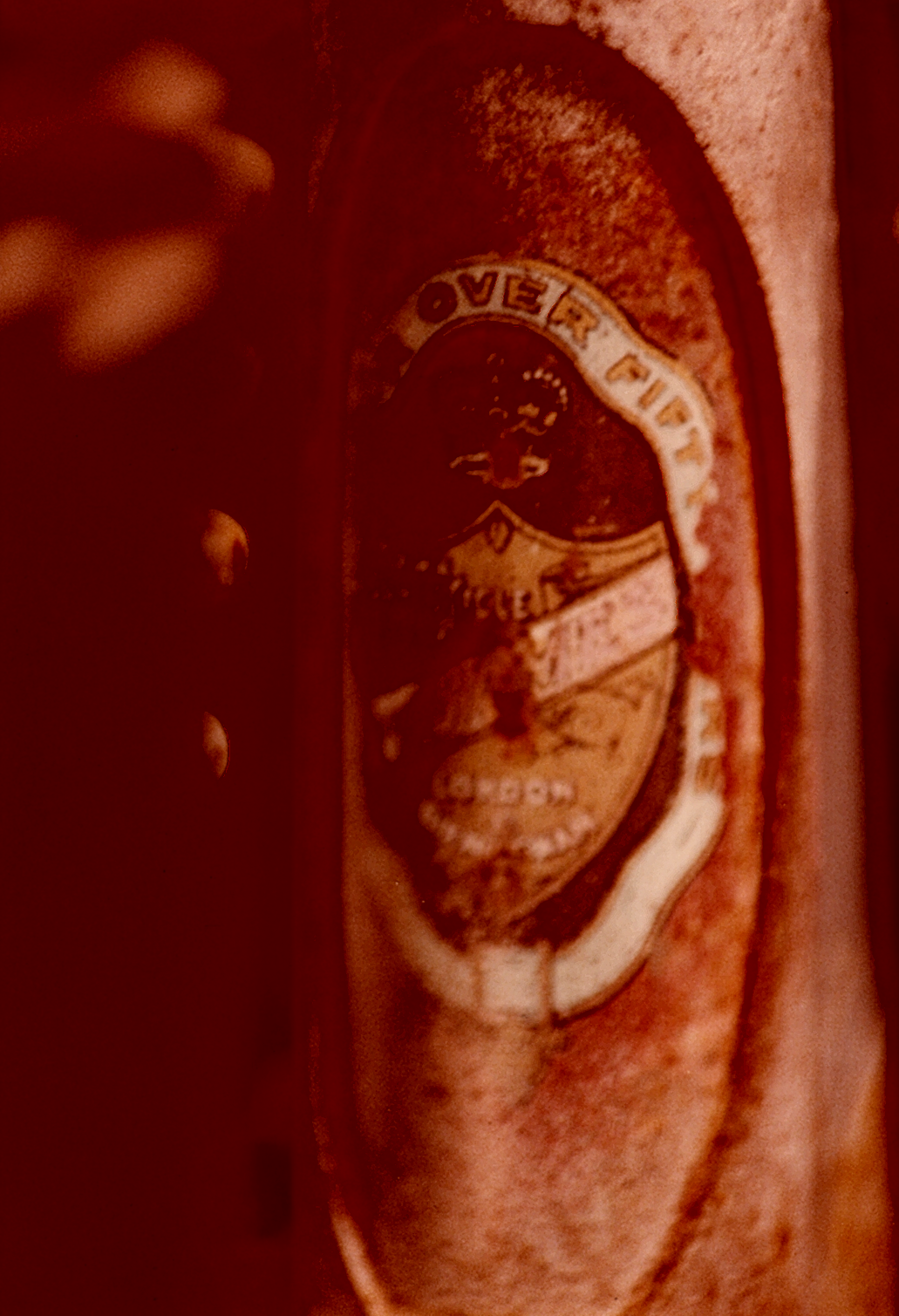
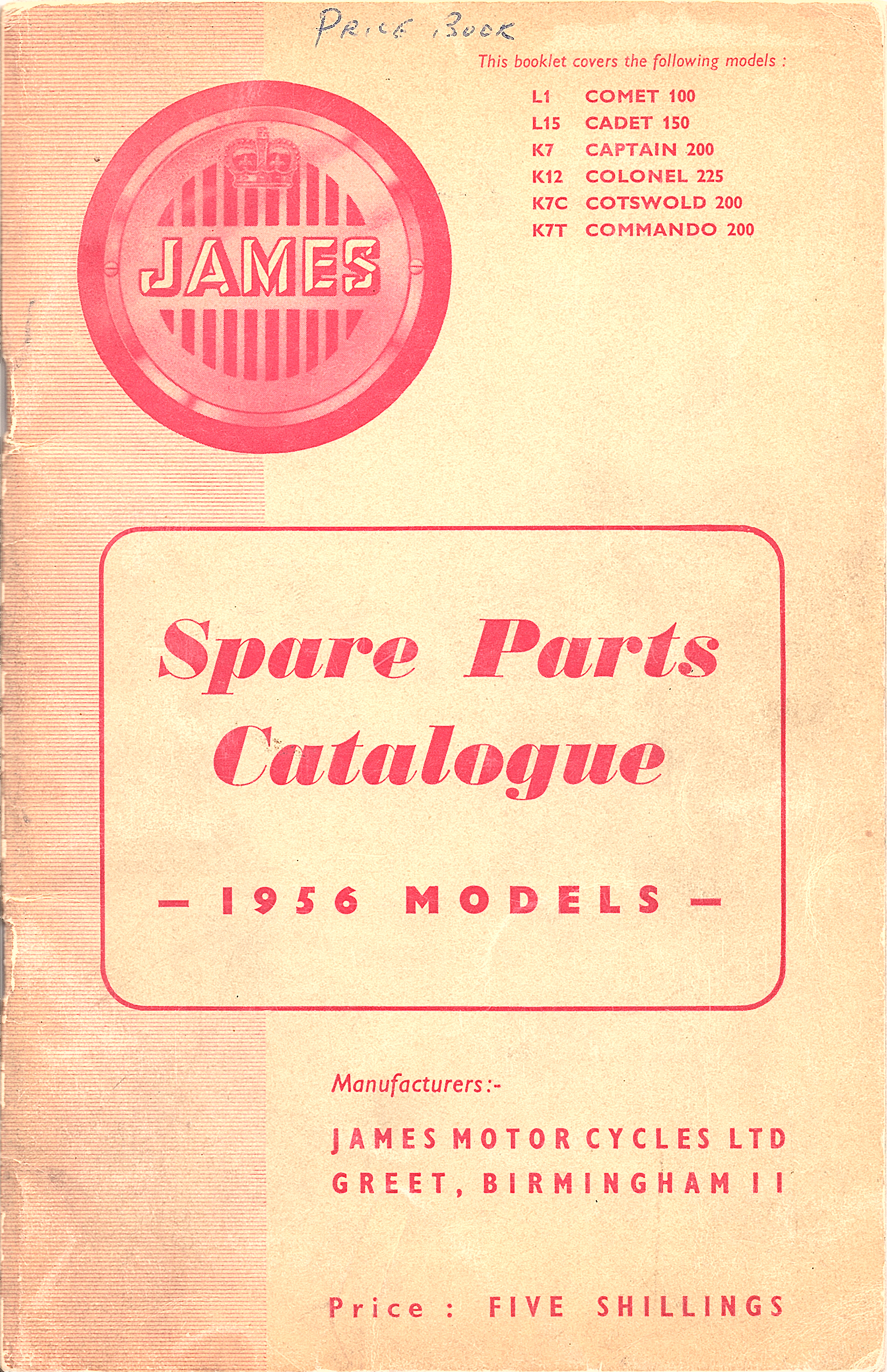

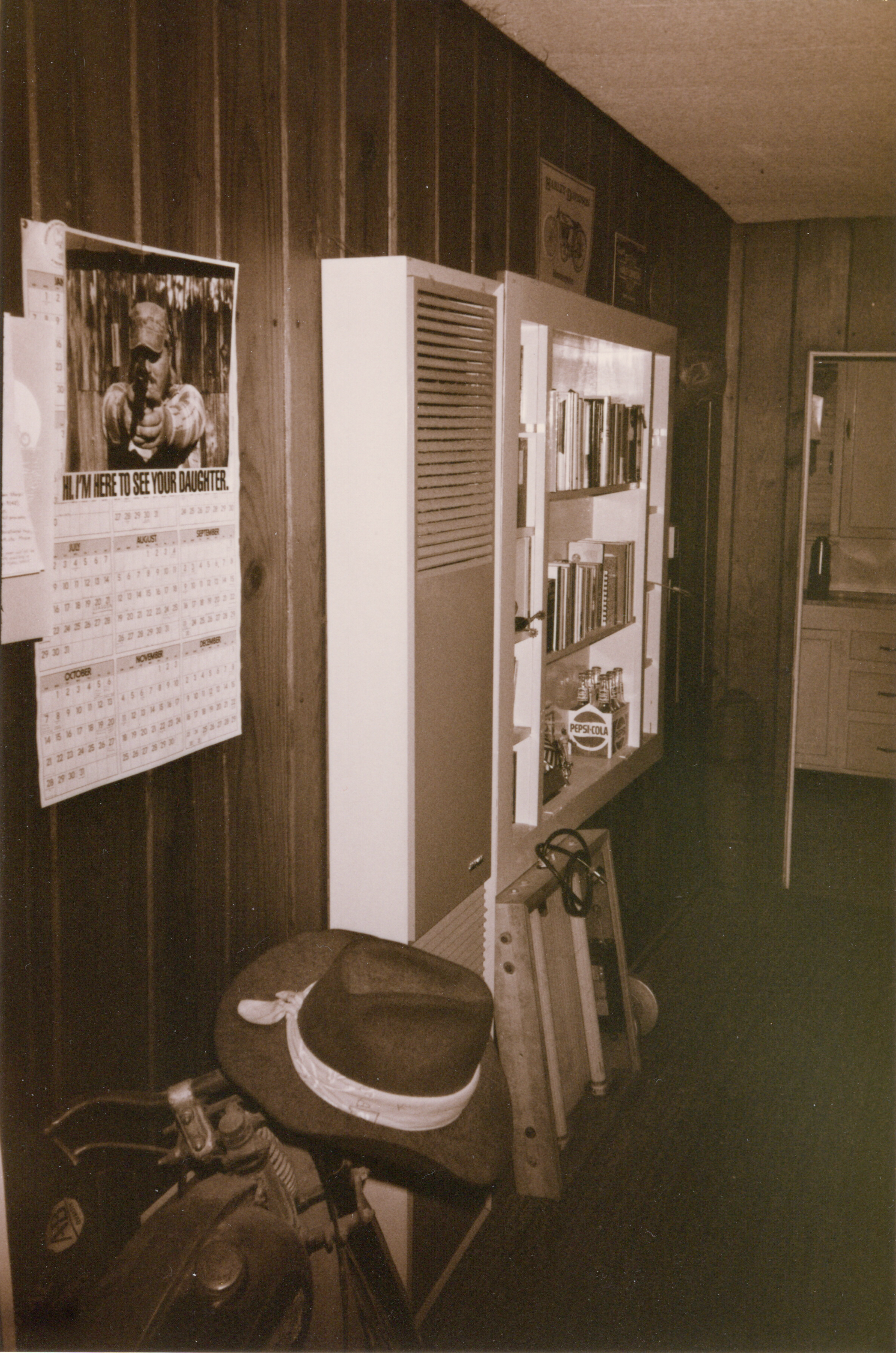

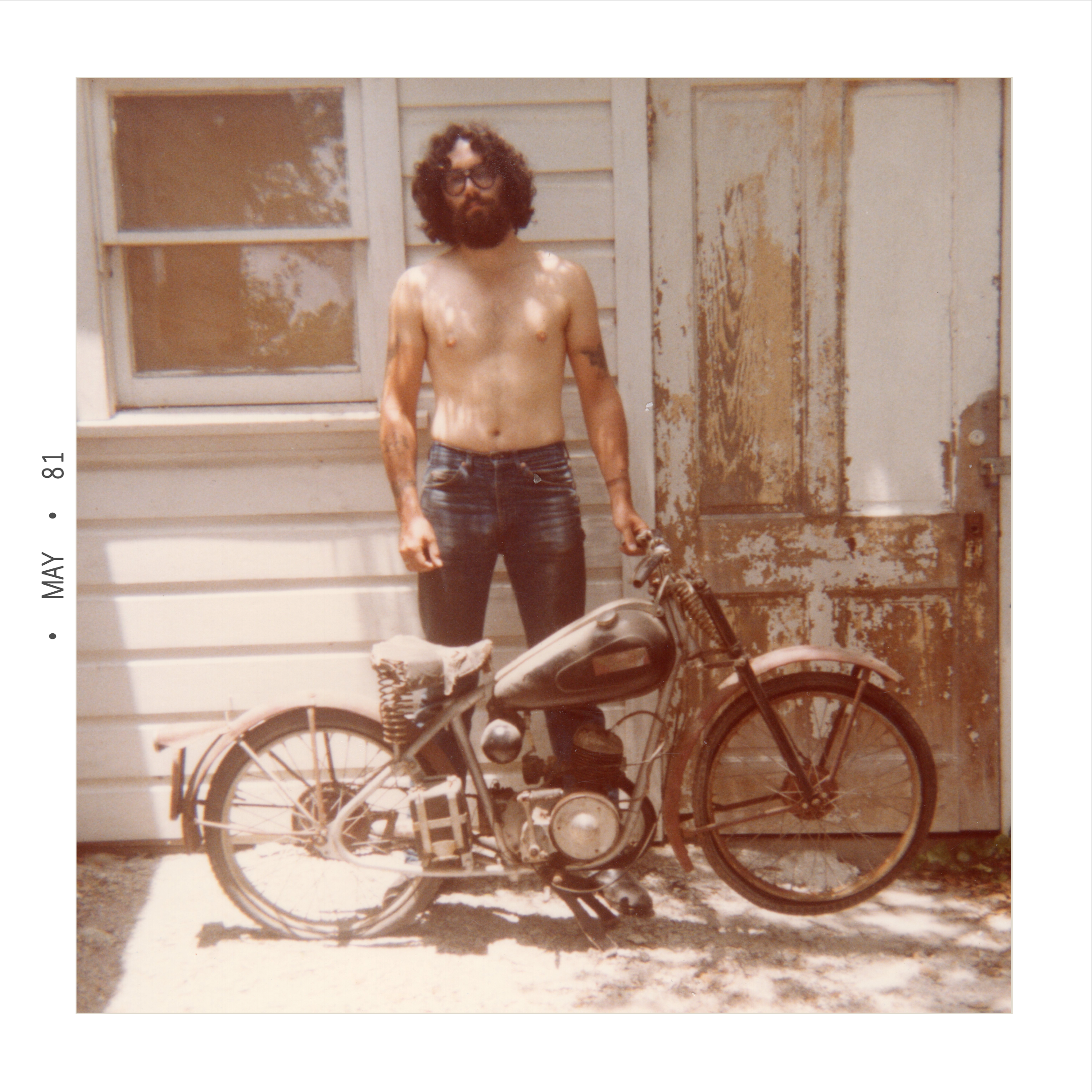
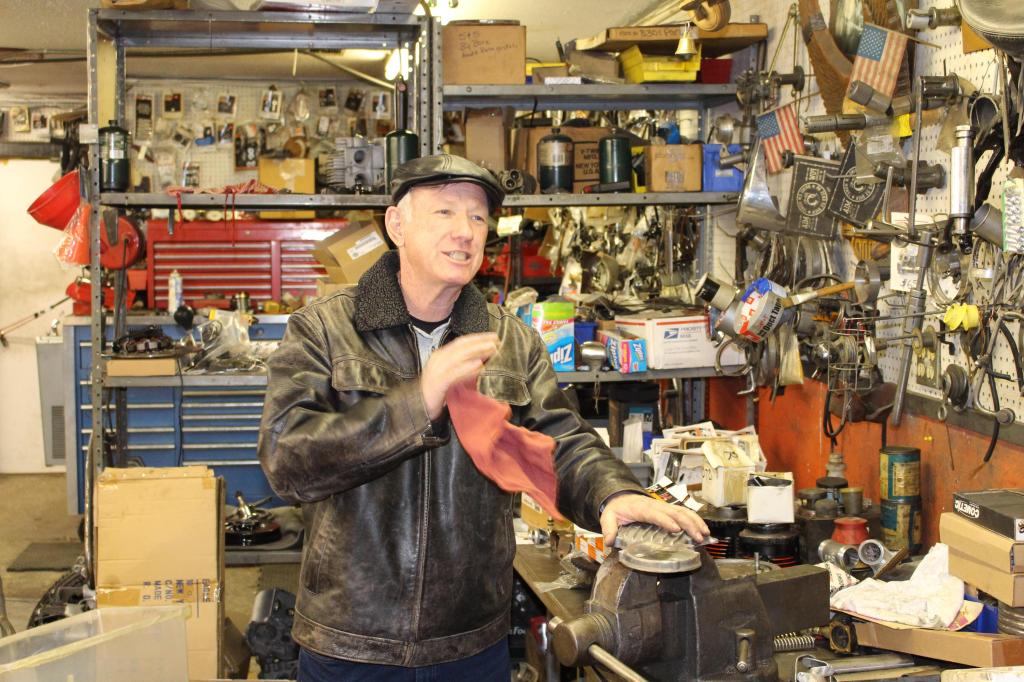

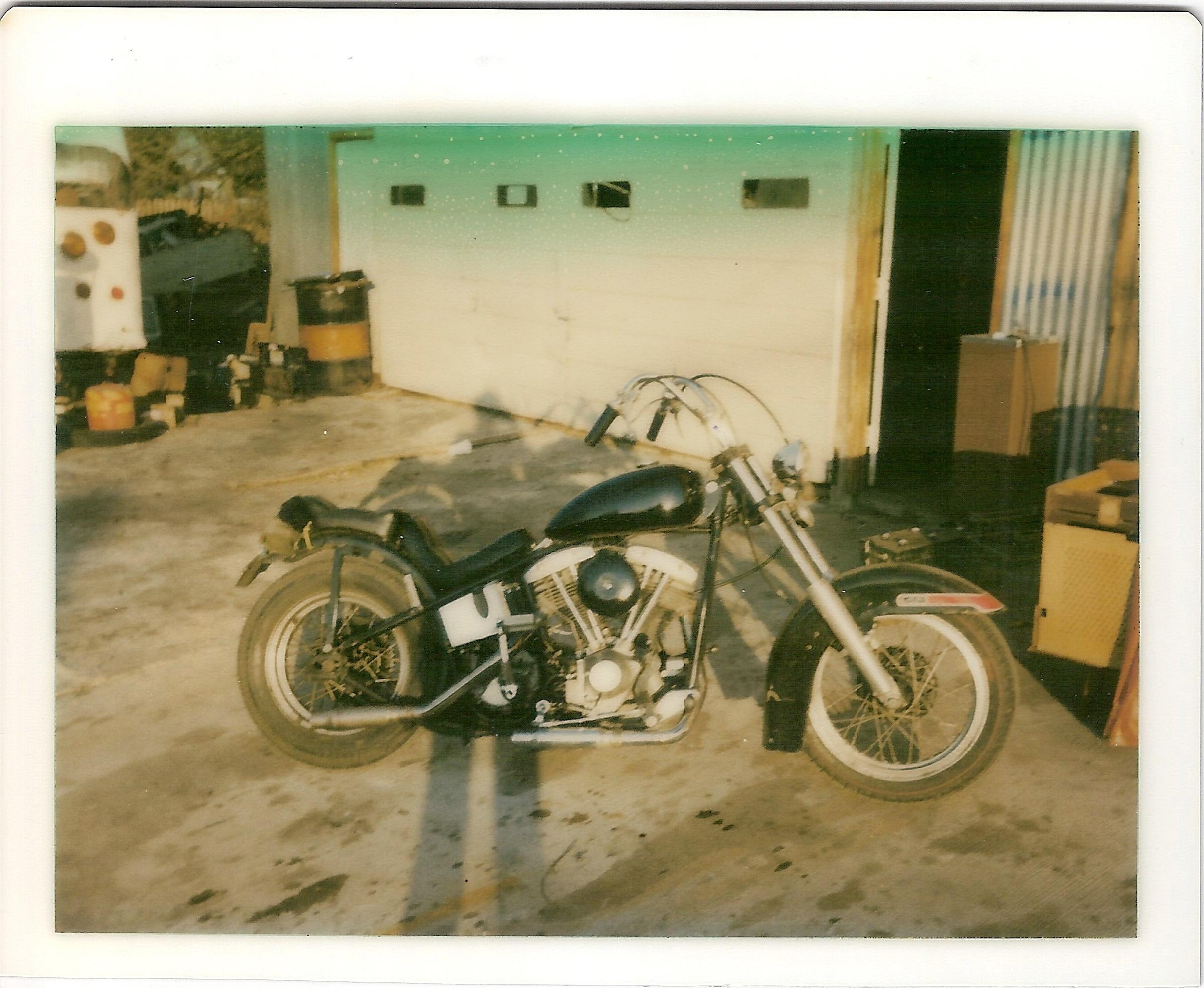
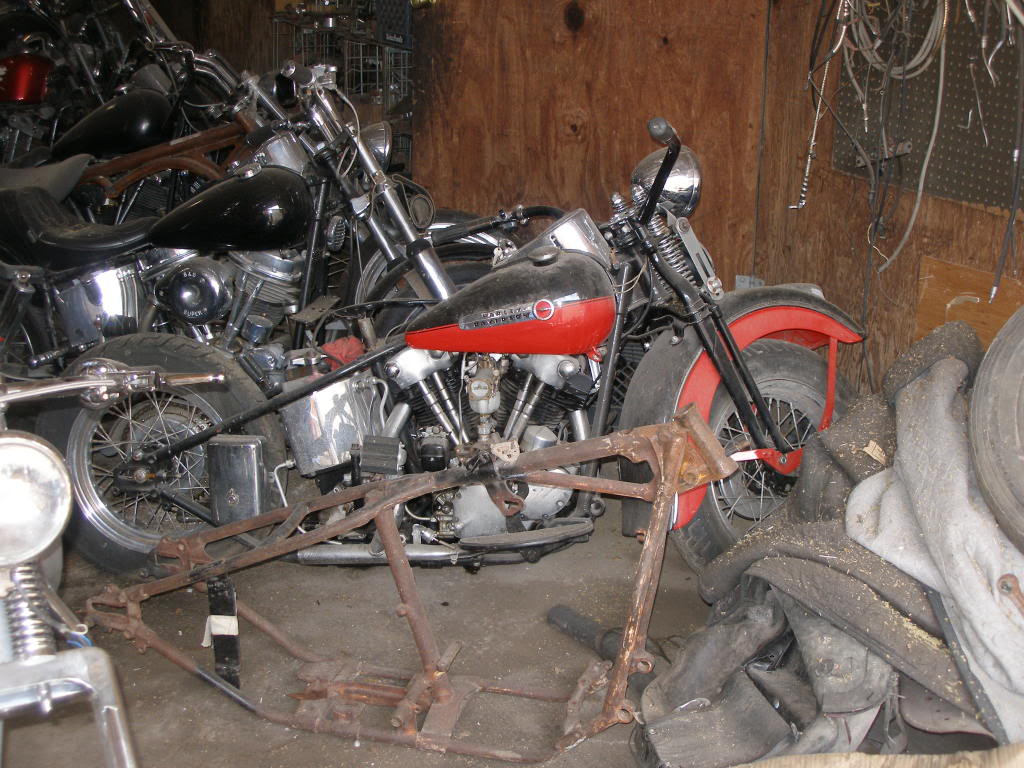


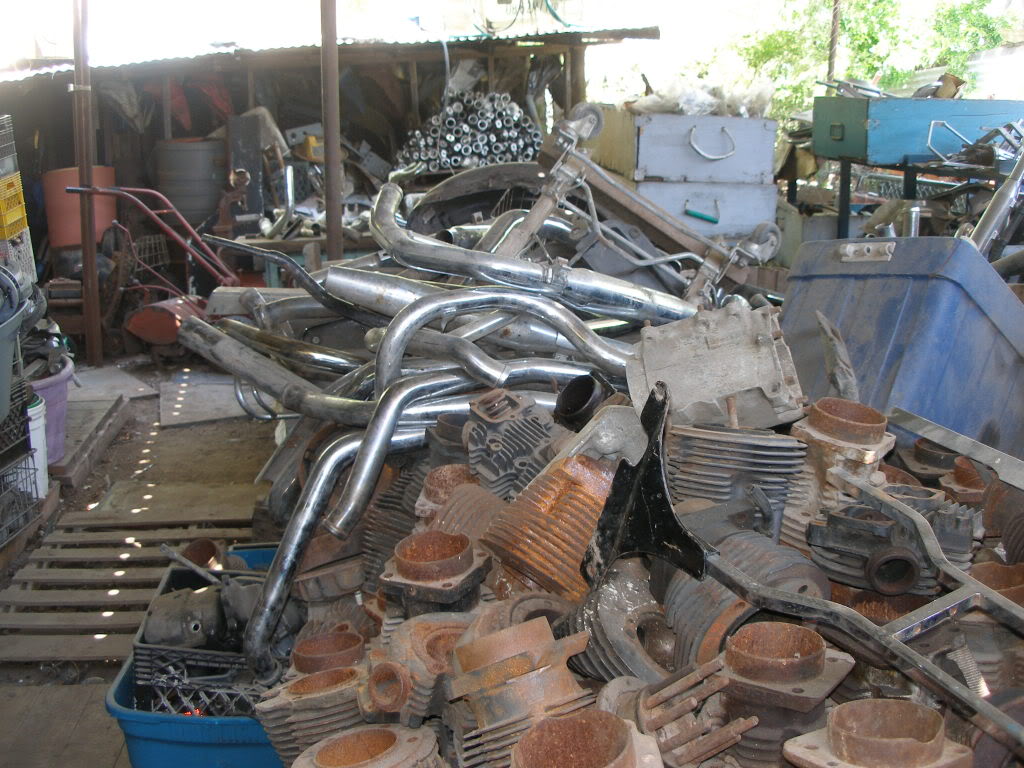
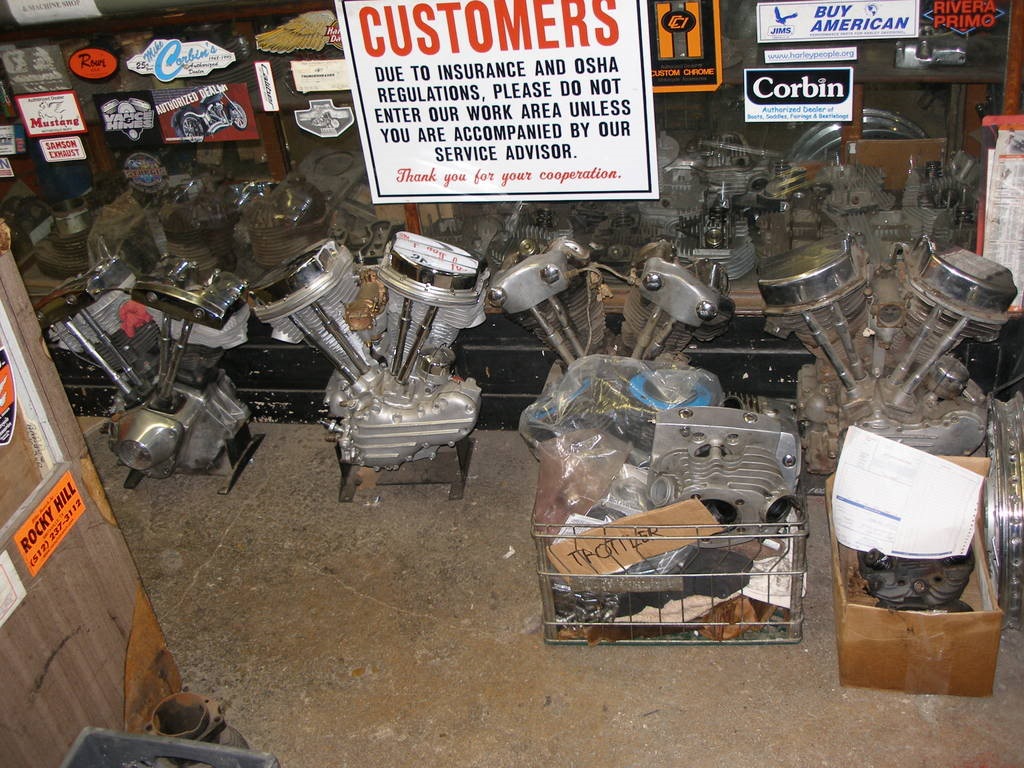
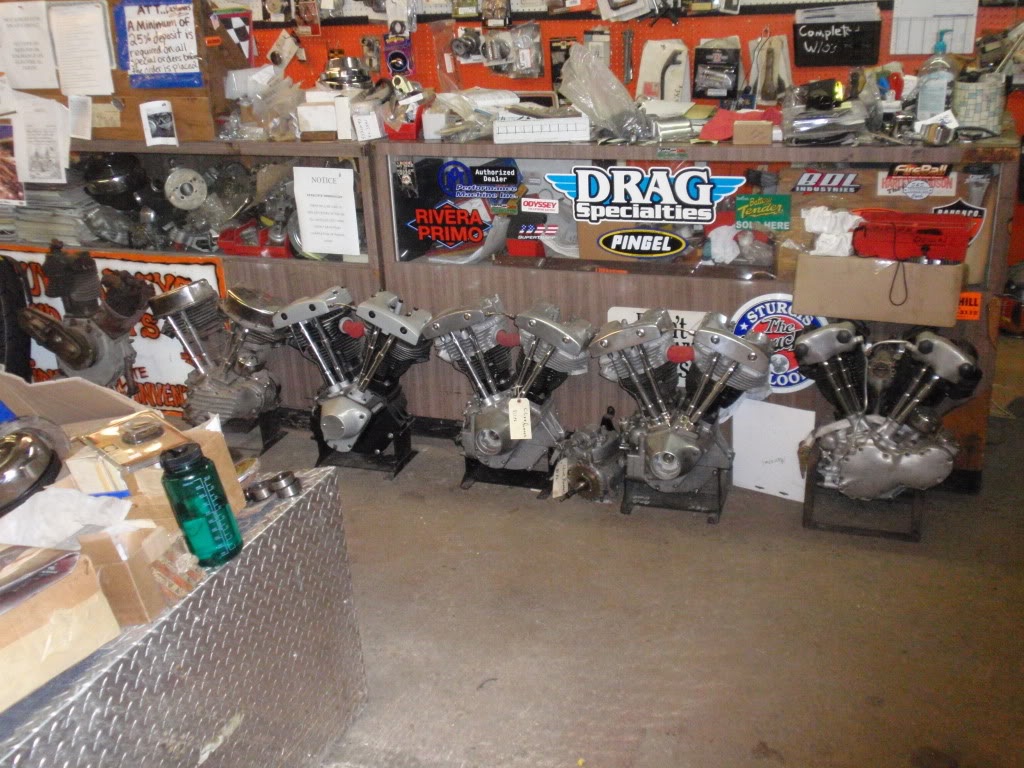
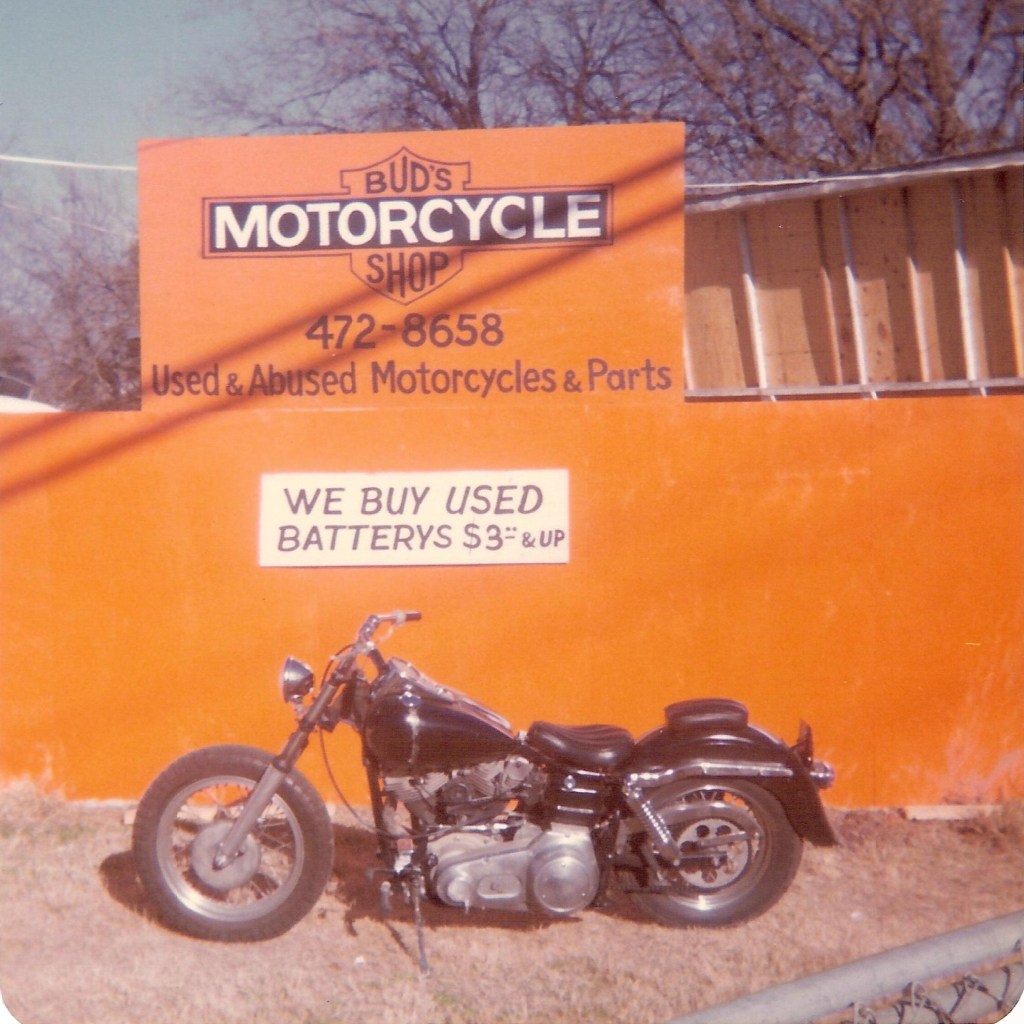


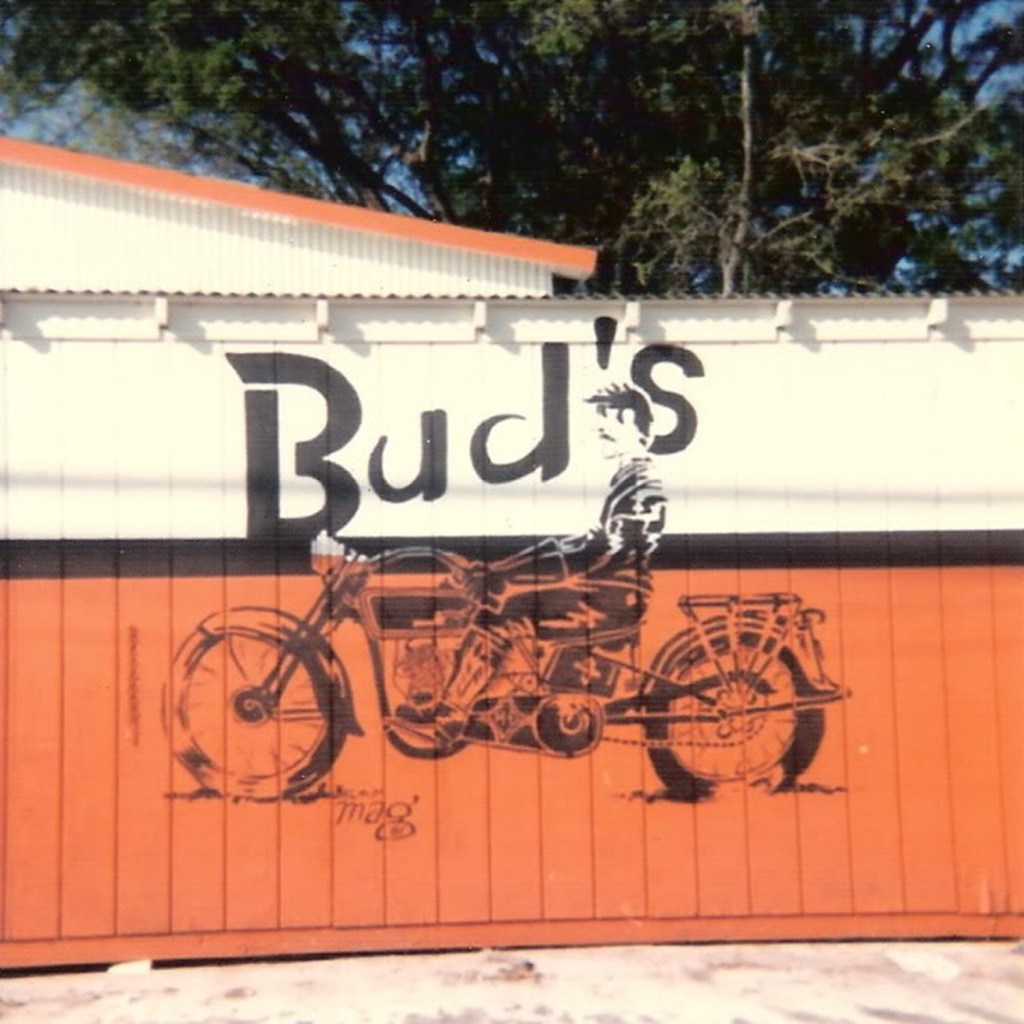
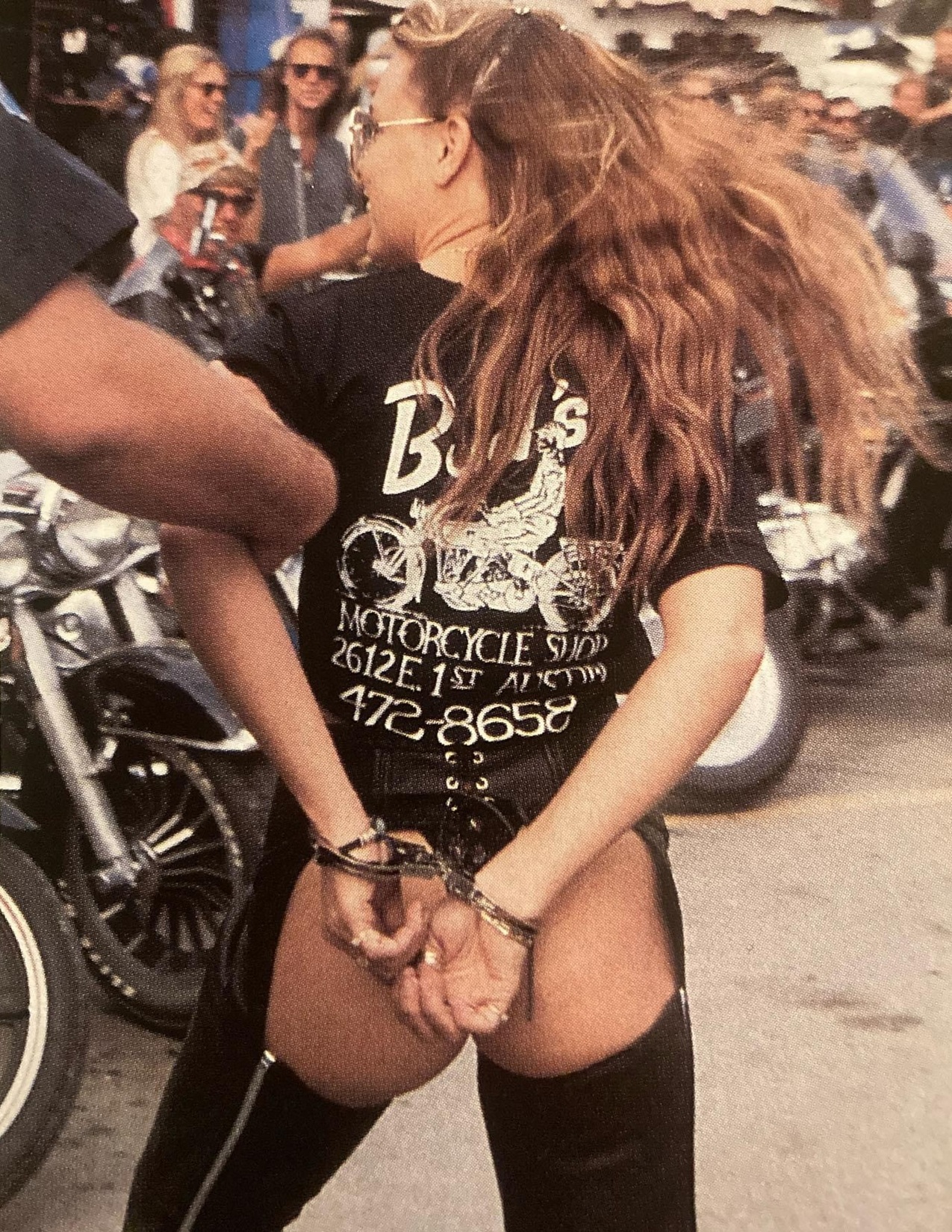


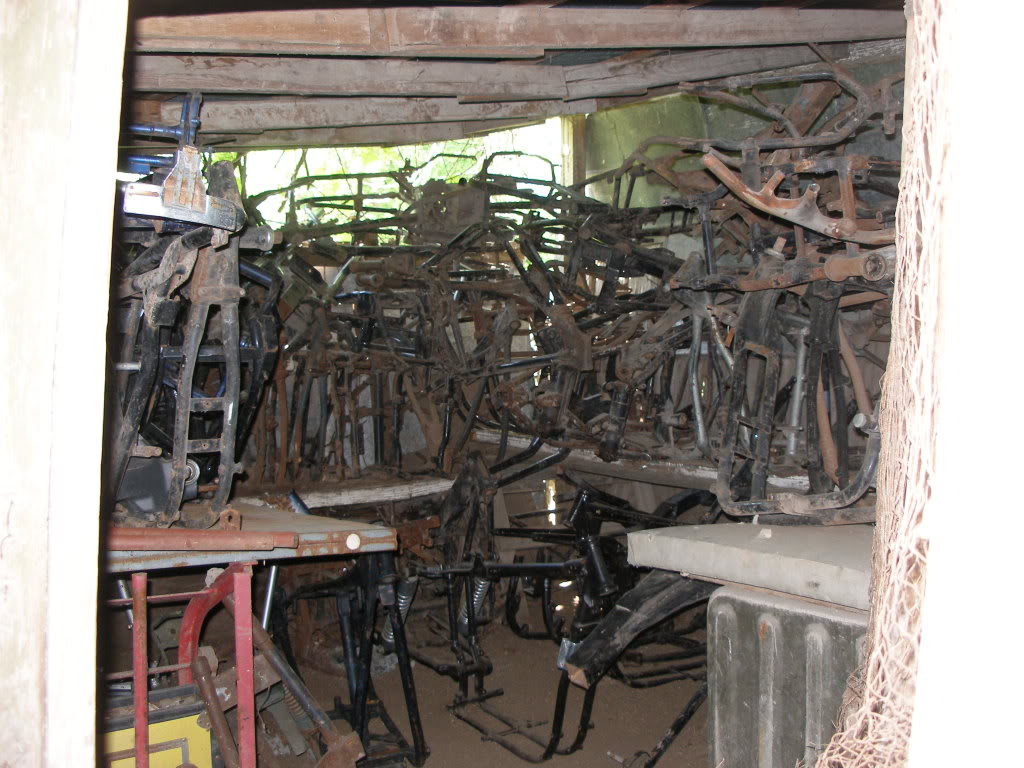

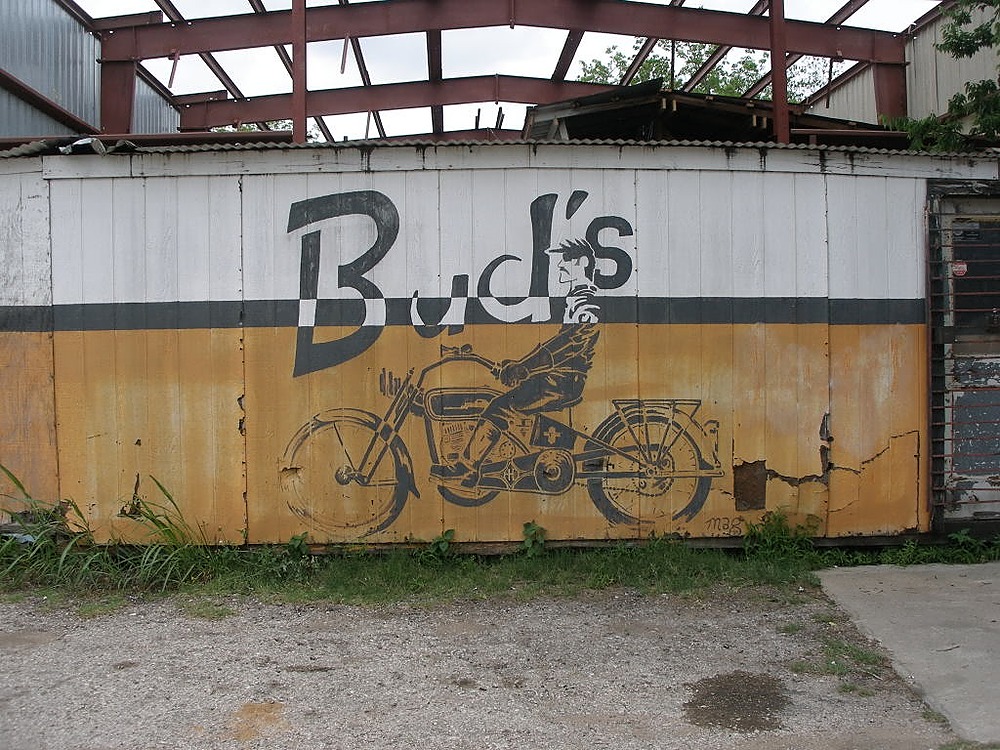
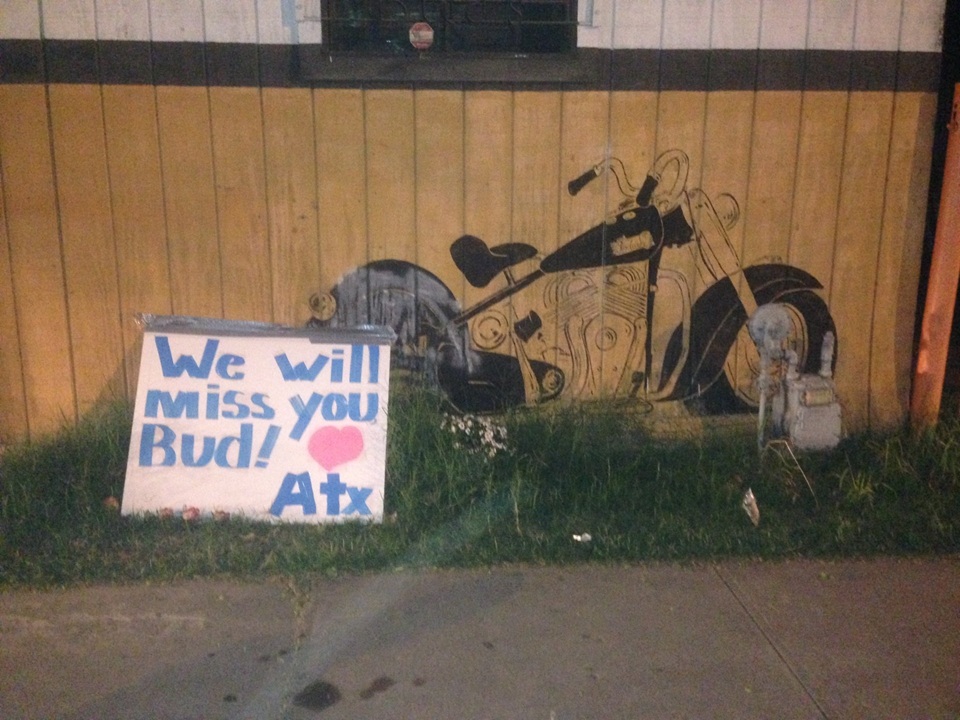


 The Shovel Shop